
News&Guides

The Deep Desert is no longer accurately described as a mandatory PvP endgame. Funcom’s patch 1.3.20.0, released on April 28, 2026, introduced separate PvE and PvP Deep Desert instances on official Worlds. It also made all of Hagga Basin PvE, including Shipwrecks.
That changes the advice for players attracted to exploration and building rather than guild warfare. This patch-based guide explains the documented choice and the expedition planning that remains important in either instance.
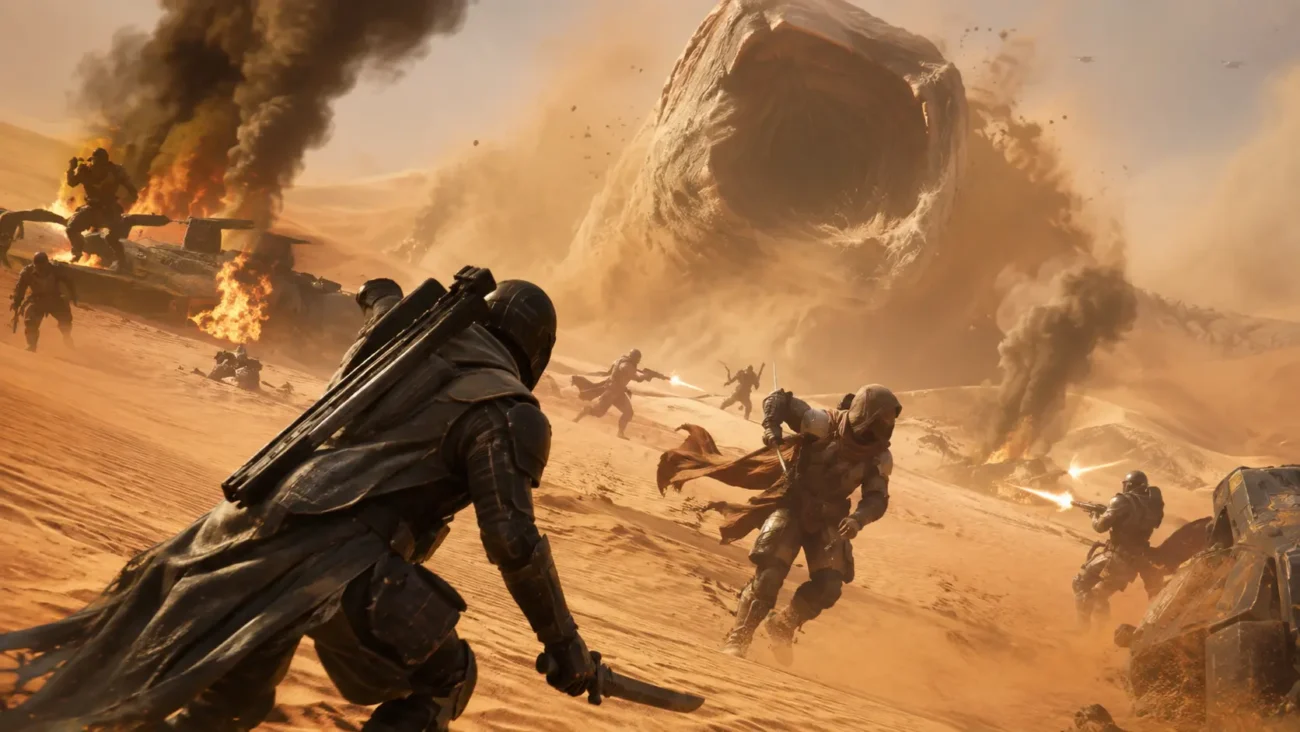
Choose the instance before entering
The official patch notes provide a choice of instance. The selector identifies PvE and PvP when entering the Deep Desert from the Overland, so check that label before travelling.
For someone deciding whether to return, that is more useful than a general statement that the endgame is ‘better now.’ It addresses a specific objection: avoiding player attacks no longer requires avoiding the region entirely on official Worlds under the documented rules.
It does not establish that every activity is effortless alone. PvE describes the rules for player conflict, not the difficulty of enemies, the time required to gather supplies or the amount of preparation needed for an expedition.
The choice still has an incentive attached
Patch 1.3.20.0 gives mining and harvesting in PvP areas a 2.5-times yield multiplier. It describes the PvP version as returning to the launch-era PvP boundary starting at the B-row beyond the Shieldwall area. The PvE instance is described as fully PvE.
Those are the rules specified in that patch, not a promise that future updates or custom servers can never change them. Before travelling, read the instance label rather than assuming the name ‘Deep Desert’ tells you the conflict rules.
The practical trade-off is now clearer: players can choose a PvE environment or accept player-conflict risk for the documented resource incentive. A resource bonus may matter to efficiency-focused groups without making the lower-risk choice illegitimate.
PvE does not mean permanent building space
The Coriolis Storm is a separate issue from PvP. IGN’s Deep Desert explanation describes a weekly reset that changes the region’s layout and resources and buries buildings. Choosing a PvE instance should not be mistaken for a guarantee that a Deep Desert base will last indefinitely.
A temporary expedition outpost and a home you develop over time serve different purposes. Plan around the actual location and its environmental rules, rather than assuming that freedom from hostile players removes every kind of loss.
Likewise, a persistent region is not evidence that a neglected base is maintenance-free. Check your in-game building and protection requirements before taking a long break.
A better solo-player checklist
- Before returning: update the game and review the current server rules.
- Before entering: check whether the selected Deep Desert instance is PvE or PvP.
- Before building: distinguish a temporary field operation from a long-term base.
- Before judging the endgame: separate objections to player conflict from objections to repetition, resource gathering and scheduled resets.
The last distinction matters. Removing compulsory PvP can answer one concern without making a repeated gathering loop appealing to everyone. A player may still prefer earlier exploration, but that preference should be explained on its own merits.
Is the Deep Desert worth revisiting?
There is no universal 100-hour point at which players should stop. The April 2026 change gives PvE-focused players a reason to reassess the Deep Desert. Its appeal now depends less on willingness to join player wars and more on whether its expedition, resource and reset structure suits the way you want to spend your time on Arrakis.

BO7 Nuke Calling Card Lobby
Listed Platforms: PC, Xbox, and PS5.
A self-played lobby service for the calling-card option selected in your order, including Nuke Out or Nuclear Killer where available. Confirm platform support, challenge requirements, session details, and current availability before purchase.
You play on your own account. Game and platform rules still apply; self-play does not eliminate account risks or guarantee gameplay results.

BO7 Warzone Bot Lobbies
Supported Platform: PC, Xbox & PS5
Self-played lobby sessions for players working on weapon levels, camouflage unlocks, and challenges. Contact our team before ordering to confirm current availability and your requirements. Progress varies, and account risks cannot be ruled out.

Call Of Duty BO7 Apocalypse Camo Unlock
Supported Platform: All Platforms (PC, Xbox & PS5)
Unlock BO7’s ultra-rare Apocalypse Camo Unlock Camo quickly and safely! Skip the grind, gear up with one of the rarest camos in Call of Duty, and flex it in-game today!

Call Of Duty BO7 Nexus Horizon Camo Unlock
Supported Platform: All Platforms (PC, Xbox & PS5)
Unlock BO7’s ultra-rare Nexus Horizon Camo quickly and safely! Skip the grind, gear up with one of the rarest camos in Call of Duty, and flex it in-game today!

Cronos: The New Dawn PS5 Save and Trophy Service
Supported Platform: PlayStation 5 only.
A completed first-timeline save for New Game+ (Cycle 2), with a 250 HP Bio-suit, 12-slot inventory, all 7 weapons, item schematics, the Leviathan skin, supplies, and selected trophy checkpoints. Review the included content and confirm compatibility with our team before ordering.
Important: Delivery replaces your existing game progress. Game and platform rules apply; account risks cannot be ruled out.

COD BO7 Little Caesar Skin Codes
Supported Platform: All Platforms (PC, Xbox & PS5)
After payment, you will immediately receive the KEYs.
Alternatively, you can send me your account username password so that I can redeem it for you. For security, I will record the entire process until the item is received and I log out of your account.
When the key has been redeemed, you’ll receive the Black Ops 7 Little Caesar DLC Bundles and claim exclusive in-game rewards!
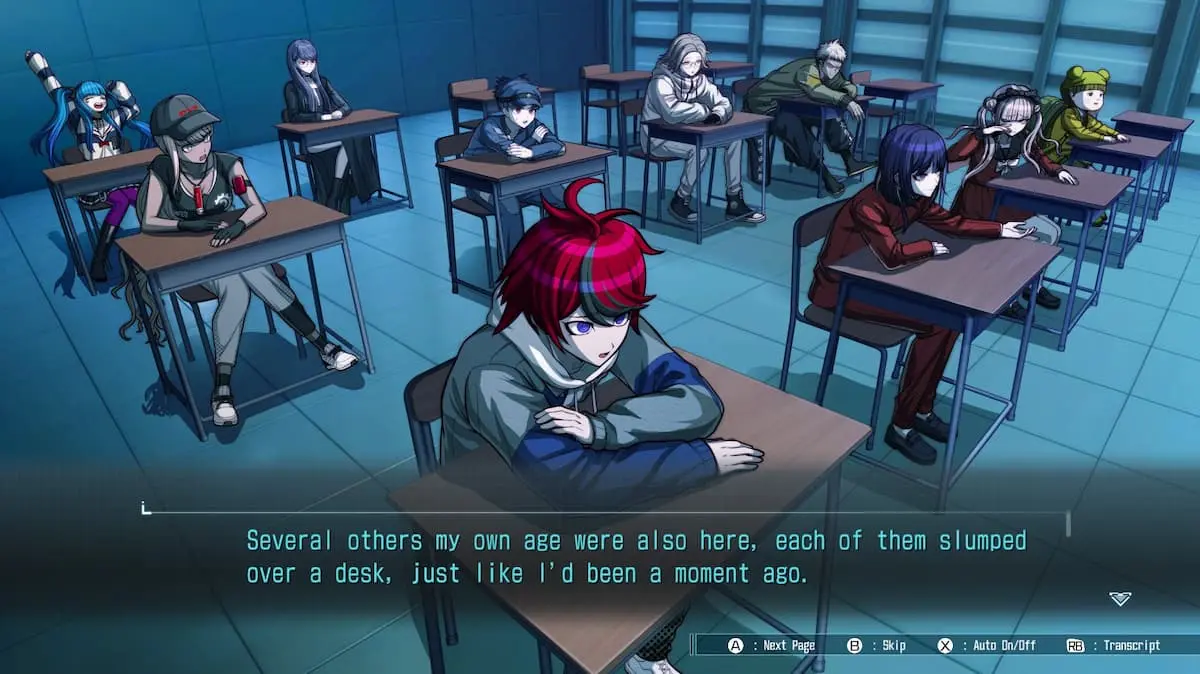
The Hundred Line uses a shared academy crisis to support a branching story. This analysis separates route choices from school-life activities and explains how tactical battles and replay tools shape the commitment.

Pipistrello keeps the yoyo at the center while expanding its uses through movement tricks and builds. Its documented systems explain why one tool can support exploration and combat without relying on a constant supply of new weapons.
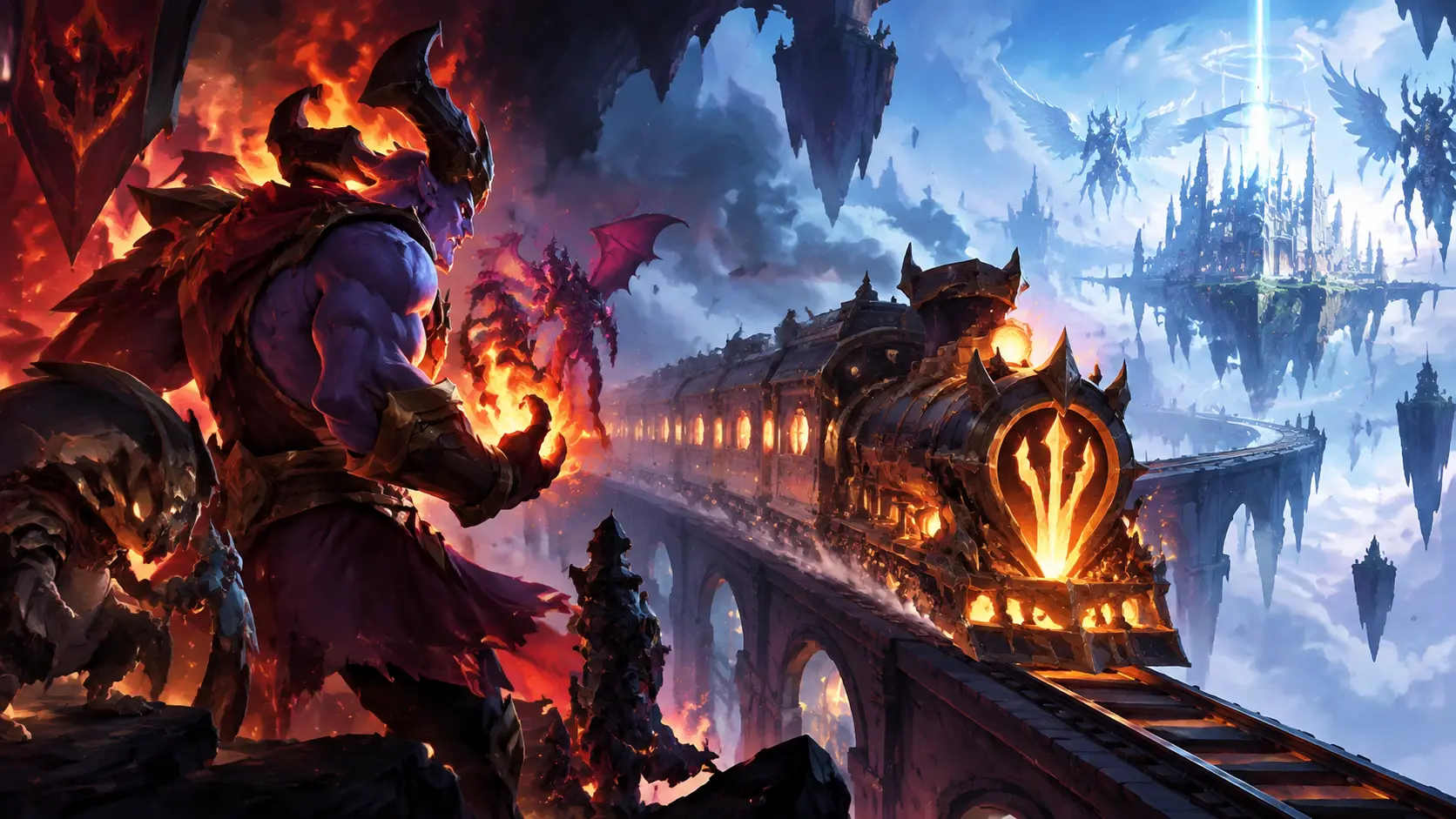
A strong Monster Train 2 deck still needs a workable formation. This guide explains when concentrating units helps, how to plan for surviving enemies, and why Room and Equipment cards tie drafting decisions to placement.
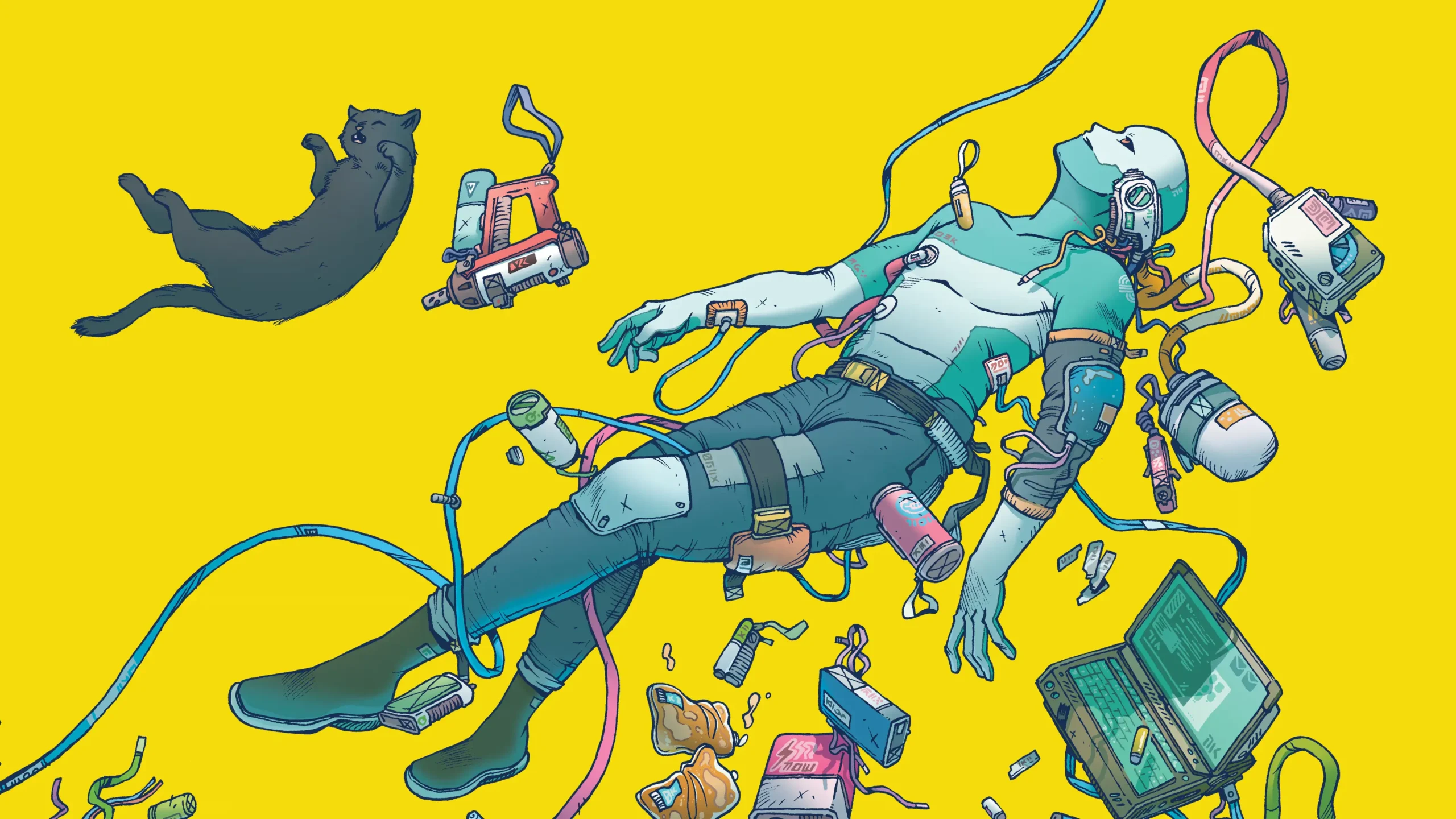
Citizen Sleeper 2 connects immediate risks with future resources. This systems analysis explains dice allocation, stress and contracts, and offers a way to plan around setbacks without pretending that every failure is a reward.
Hell is Us makes directions and landmarks part of the work of exploration. This overview explains its marker-free navigation and offers a practical way to keep track of leads, especially when returning after a break.
ROUTINE gives its C.A.T. tool investigative uses and a last-resort defensive role. This analysis looks at how limited options, restrained guidance and sound can make exploring its abandoned lunar base tense.