
News&Guides
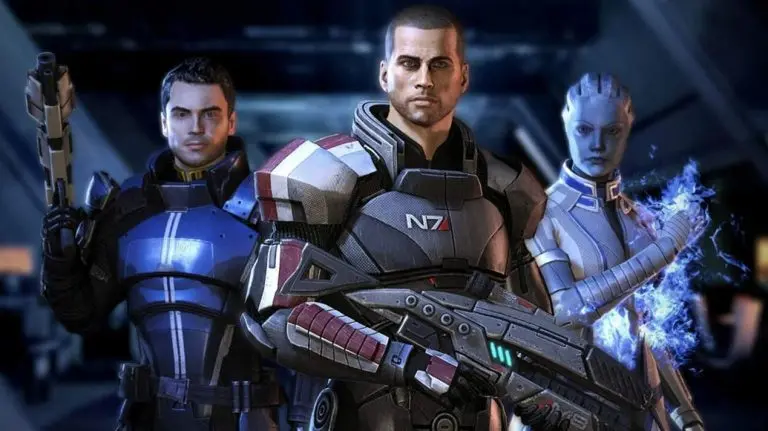
Mass Effect Legendary Edition invites two different assessments: how well the trilogy’s relationships work, and how effectively its finale pays them off. Those questions are connected, but neither is answered simply by improving textures or making a rifle easier to aim. This source-based analysis examines that distinction through the remaster’s documented changes.
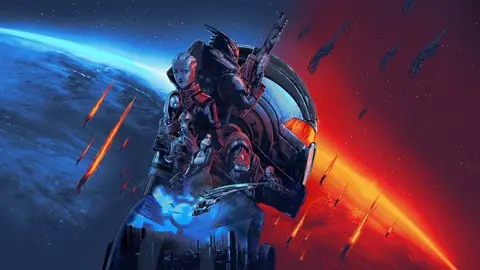
A conversation can be part of the adventure
The case for returning to the trilogy rests on continuity. Decisions and progress can carry from one game into the next, so the people around Shepard belong to an unfolding journey rather than three entirely separate stories. Taking an interest in the crew has both narrative and mechanical significance.
There is a useful critical distinction here. A companion need not surprise the player with a dramatic personality reversal to become memorable. Repeated conversations can establish a belief, expose its cost and change the context in which that belief is understood. That is a more defensible reason to value the writing than declaring that every line has aged perfectly.
Paragon and Renegade also deserve more nuance than either ‘good versus evil’ or ‘not morality at all.’ They frame different approaches to Shepard’s decisions, but their effects and ethical implications depend on the scene. A categorical definition can flatten the very role-playing the article is trying to praise.
What the remaster actually changes
BioWare’s Gameplay Calibrations describes substantial mechanical work, particularly in the first game. Weapon handling and aim assistance were adjusted, squadmates can be commanded individually, inventory sorting and bulk junk handling were added, and the Mako received revised physics, faster shield regeneration and a speed boost. Mass Effect 2 also received increased ammunition drops.
These changes matter when recommending the collection. They address friction without turning all three games into the same combat system. Someone looking for a single mechanically uniform campaign should expect differences between entries, while a returning player should not assume the first game handles exactly as it did originally.
The ending is not the unaltered 2012 launch version
The Extended Cut is the default finale in Legendary Edition. BioWare also rebalanced Galaxy at War: readiness no longer depends on external activities such as multiplayer or the old companion app. The official explanation explicitly says that preparation for the final fight differs from the earlier Extended Cut balance.
Consequently, describing the old Effective Military Strength calculation as ‘almost unchanged’ is not a sound summary. Choices and completed content across the trilogy still contribute to preparation, but old threshold guides should not automatically be applied to the remaster.
The stronger criticism is interpretive: a finale concerned with the fate of an entire galaxy may feel less intimate than the companion relationships that made the journey matter. That argument can stand without claiming all choices are irrelevant or that every player receives an identical set of outcomes. Another reader may welcome the shift from personal relationships to the consequences of a galactic conflict.
A useful approach to a first or returning run
- Start with the first game if you want the fullest continuity, then carry progress forward.
- Spend time with optional conversations and missions because they are part of the experience, rather than treating every interaction only as a points investment.
- Use Legendary Edition-specific guidance when looking up late-game preparation.
- Keep criticism of the ending separate from claims about what the remaster includes.
The collection’s enduring attraction can be understood as accumulated familiarity: the people beside Shepard acquire weight over time. Whether the finale meets that investment remains a judgement for the player. The remaster makes the trilogy easier to revisit; it does not make that judgement for them.

BO7 Nuke Calling Card Lobby
Listed Platforms: PC, Xbox, and PS5.
A self-played lobby service for the calling-card option selected in your order, including Nuke Out or Nuclear Killer where available. Confirm platform support, challenge requirements, session details, and current availability before purchase.
You play on your own account. Game and platform rules still apply; self-play does not eliminate account risks or guarantee gameplay results.

BO7 Warzone Bot Lobbies
Supported Platform: PC, Xbox & PS5
Self-played lobby sessions for players working on weapon levels, camouflage unlocks, and challenges. Contact our team before ordering to confirm current availability and your requirements. Progress varies, and account risks cannot be ruled out.

Call Of Duty BO7 Apocalypse Camo Unlock
Supported Platform: All Platforms (PC, Xbox & PS5)
Unlock BO7’s ultra-rare Apocalypse Camo Unlock Camo quickly and safely! Skip the grind, gear up with one of the rarest camos in Call of Duty, and flex it in-game today!

Call Of Duty BO7 Nexus Horizon Camo Unlock
Supported Platform: All Platforms (PC, Xbox & PS5)
Unlock BO7’s ultra-rare Nexus Horizon Camo quickly and safely! Skip the grind, gear up with one of the rarest camos in Call of Duty, and flex it in-game today!

Cronos: The New Dawn PS5 Save and Trophy Service
Supported Platform: PlayStation 5 only.
A completed first-timeline save for New Game+ (Cycle 2), with a 250 HP Bio-suit, 12-slot inventory, all 7 weapons, item schematics, the Leviathan skin, supplies, and selected trophy checkpoints. Review the included content and confirm compatibility with our team before ordering.
Important: Delivery replaces your existing game progress. Game and platform rules apply; account risks cannot be ruled out.

COD BO7 Little Caesar Skin Codes
Supported Platform: All Platforms (PC, Xbox & PS5)
After payment, you will immediately receive the KEYs.
Alternatively, you can send me your account username password so that I can redeem it for you. For security, I will record the entire process until the item is received and I log out of your account.
When the key has been redeemed, you’ll receive the Black Ops 7 Little Caesar DLC Bundles and claim exclusive in-game rewards!
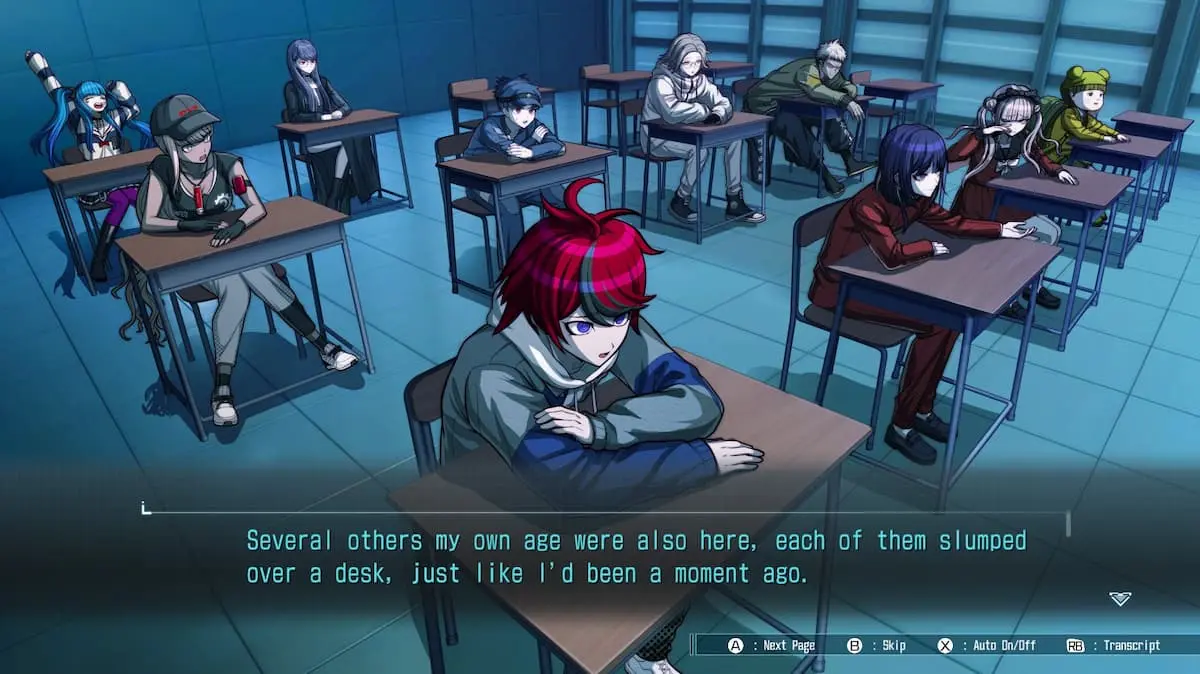
The Hundred Line uses a shared academy crisis to support a branching story. This analysis separates route choices from school-life activities and explains how tactical battles and replay tools shape the commitment.
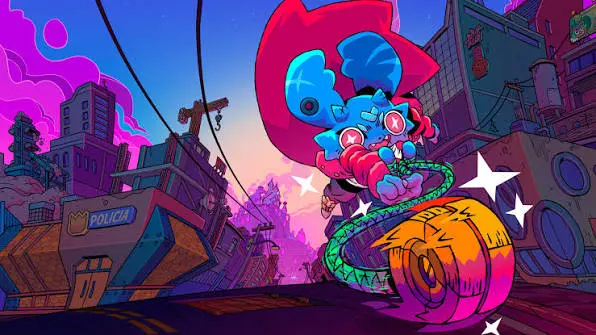
Pipistrello keeps the yoyo at the center while expanding its uses through movement tricks and builds. Its documented systems explain why one tool can support exploration and combat without relying on a constant supply of new weapons.
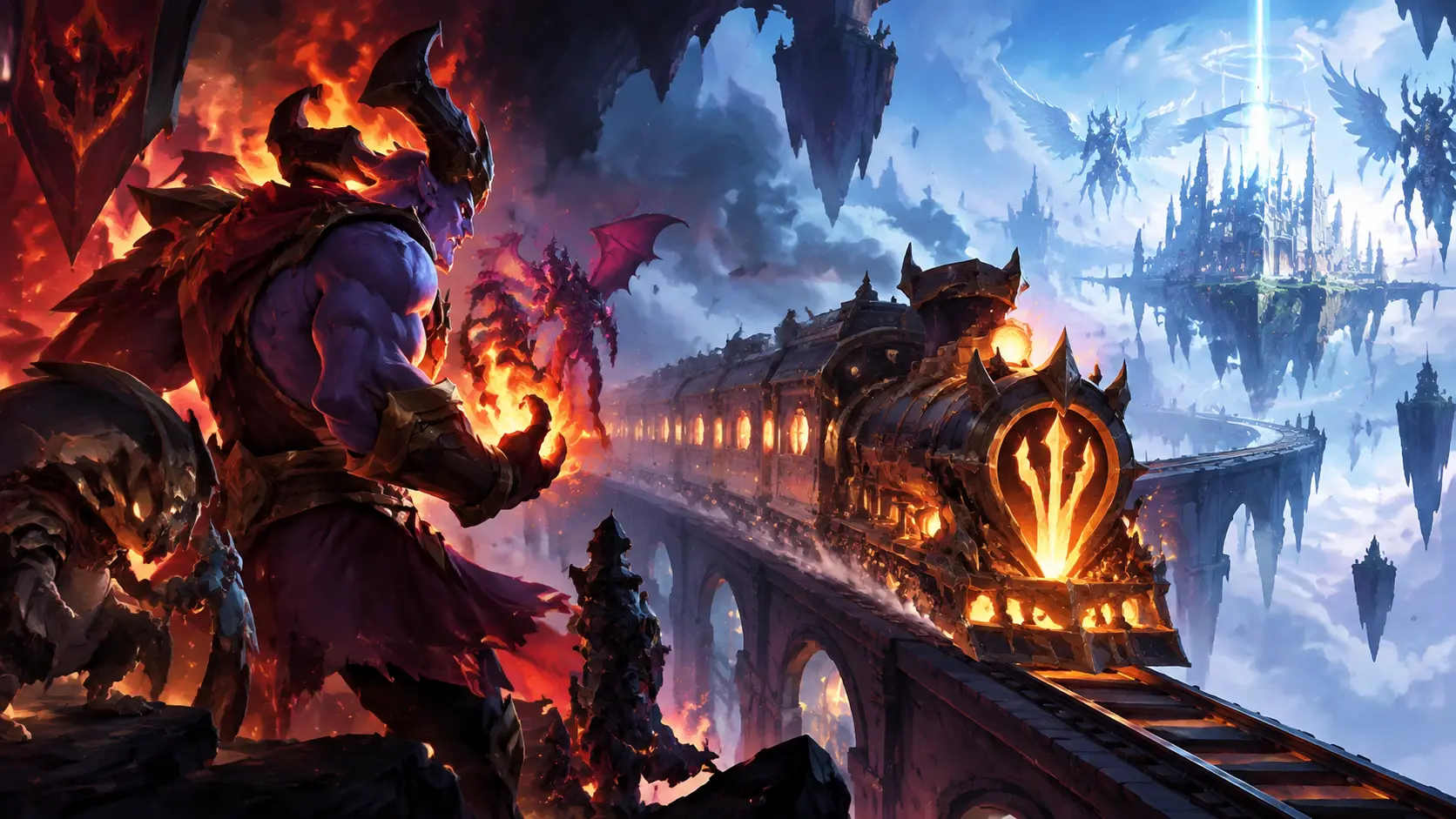
A strong Monster Train 2 deck still needs a workable formation. This guide explains when concentrating units helps, how to plan for surviving enemies, and why Room and Equipment cards tie drafting decisions to placement.
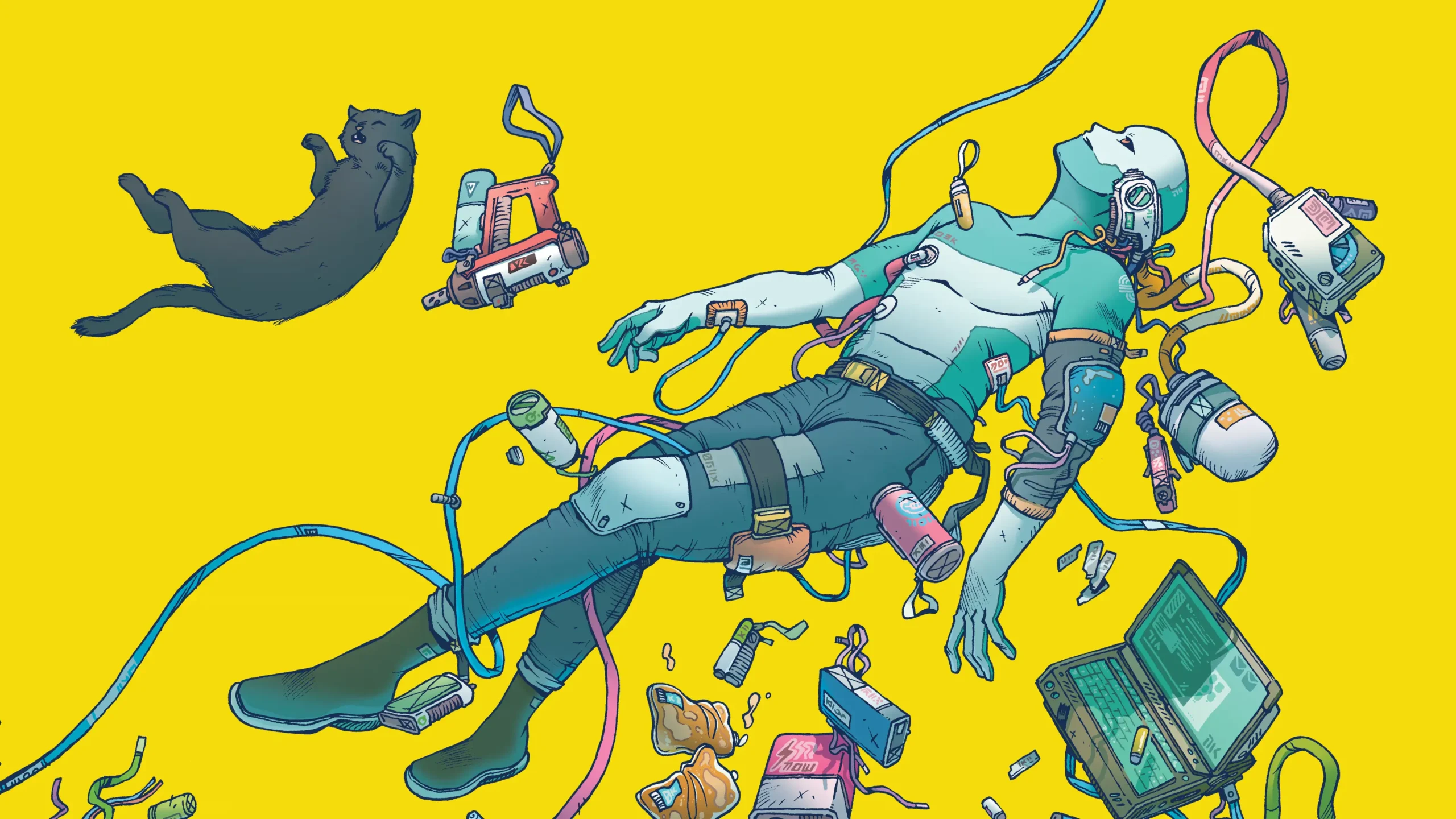
Citizen Sleeper 2 connects immediate risks with future resources. This systems analysis explains dice allocation, stress and contracts, and offers a way to plan around setbacks without pretending that every failure is a reward.
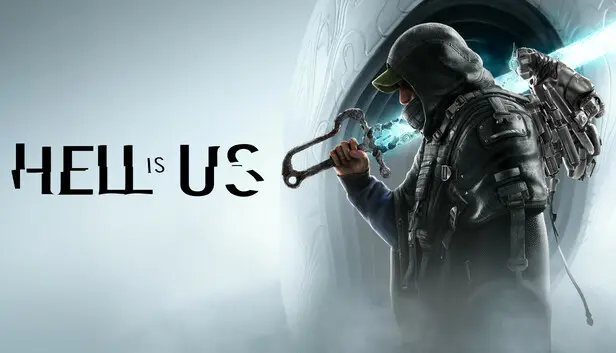
Hell is Us makes directions and landmarks part of the work of exploration. This overview explains its marker-free navigation and offers a practical way to keep track of leads, especially when returning after a break.
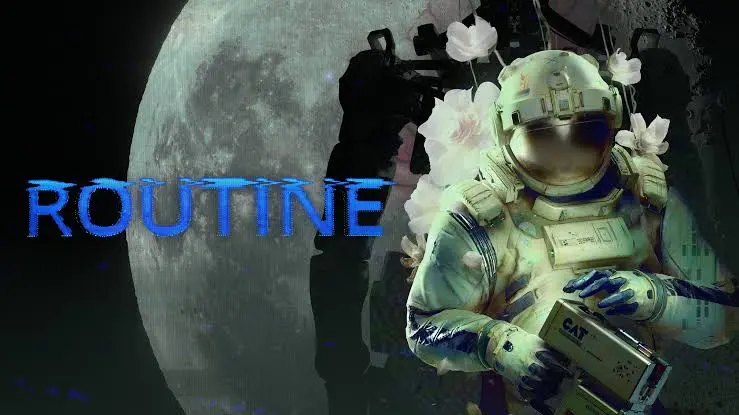
ROUTINE gives its C.A.T. tool investigative uses and a last-resort defensive role. This analysis looks at how limited options, restrained guidance and sound can make exploring its abandoned lunar base tense.