
News&Guides
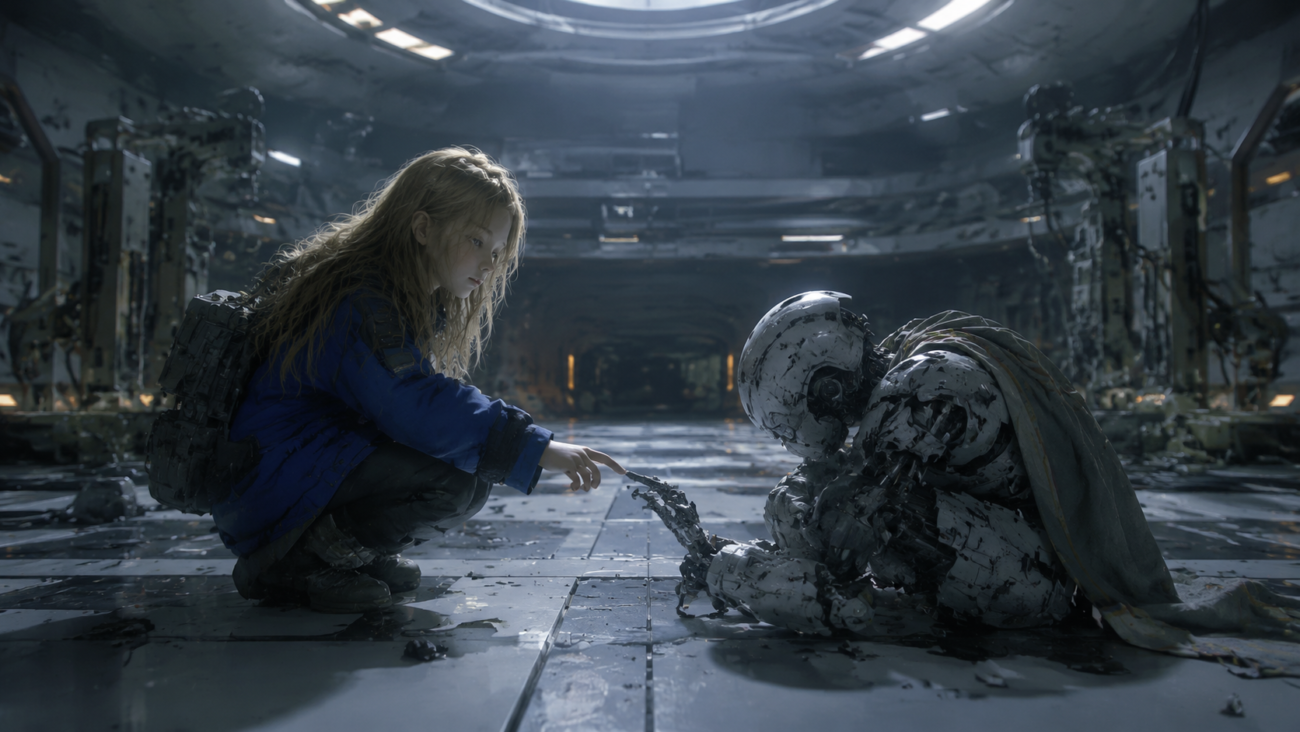
PRAGMATA raises an interesting narrative question: can repeatedly depending on another character in combat make a relationship convincing before the story explains it? Hugh and Diana’s partnership gives that question a concrete form. One handles the guns, while the other opens opportunities through hacking.
This is a source-based discussion of the premise and published criticism, not a personal completion review. It keeps to the opening setup rather than attempting to explain the ending.
A setting built around reproduction
Capcom’s official story page describes lunum ore and the material developed from it, Lunafilament, which can reproduce objects from data. When contact with a lunar research station is lost, a team is sent to investigate. A moonquake separates Hugh Williams from his colleagues and leaves him injured.
He is discovered by a girl-shaped android made from Lunafilament, a Pragmata. That setup brings the technology behind the station into the central relationship: Diana is not simply another stranded human. The premise invites questions about identity and trust, although an intriguing premise alone cannot establish how thoroughly the finished narrative answers them.
Cooperation can do some of the storytelling
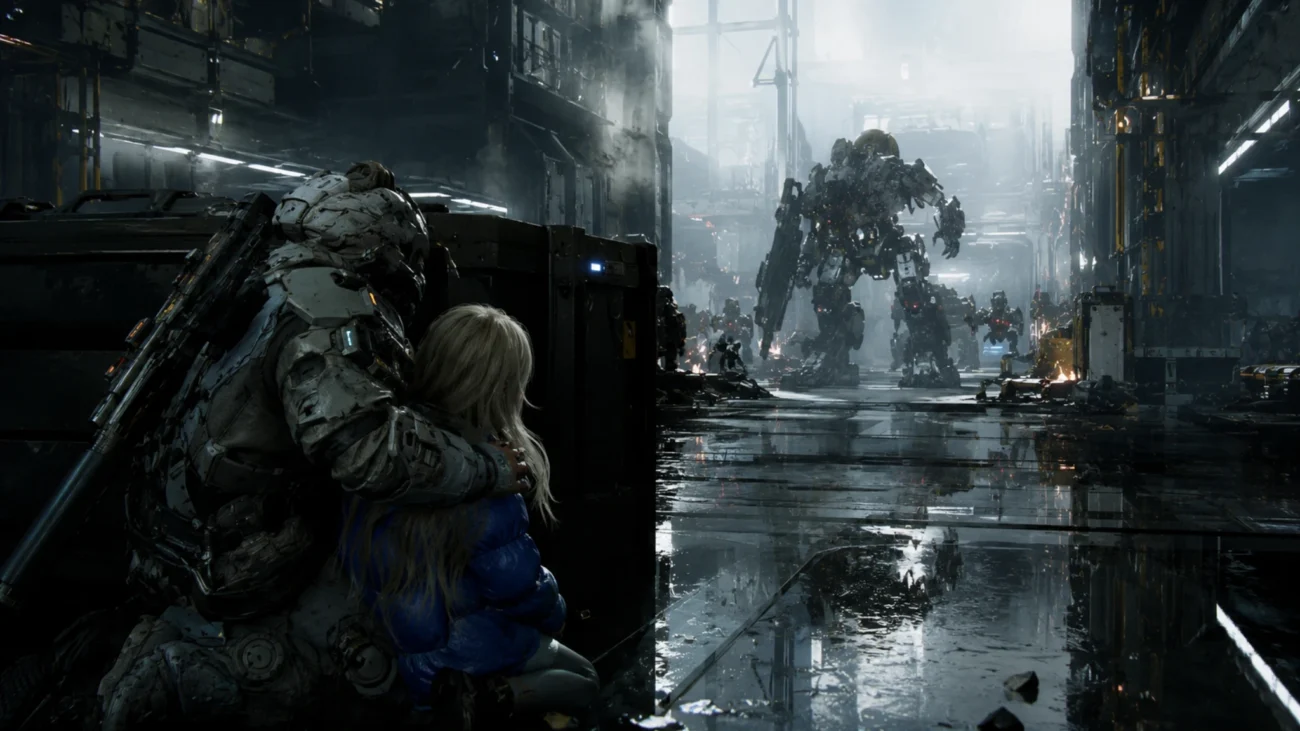
The official gameplay explanation describes Diana hacking enemy armor so Hugh can attack more effectively. Diana also helps open routes through the station. Their division of abilities means cooperation is a repeated action, not only a subject for dialogue.
As a design interpretation, that repetition can give a player a reason to value Diana’s presence. But mechanical usefulness and emotional attachment are different achievements. A character can be essential to winning a fight without every dramatic scene working equally well. Evaluating the relationship means considering both.
What VGC actually said
In Jordan Middler’s VGC review, the relationship is a major strength. The reviewer praises Diana’s writing and performance and describes the pair as enjoyable company. He also criticizes the story’s late concentration of exposition and says some emotional moments were less successful for him.
Those observations belong together. It would distort the review to use its reservations as evidence that the relationship broadly failed. Its overall assessment is positive, including praise for the game’s focused pace. At the same time, that positive verdict does not erase the specific concern about when information arrives.
Short length and narrative satisfaction are separate questions
VGC describes an approximately eight-hour campaign. That is a published reviewer’s characterization, not a fixed completion time for every player and not a playtime measured for this article. Exploration, difficulty and repeat attempts can change an individual’s experience.
A compact game can benefit from leaving little filler between important encounters. It can also leave a reader or player wanting more development. Neither reaction follows automatically from a number of hours. The more useful question is whether the story gives its important relationships and revelations enough room within the time it uses.
Set expectations around the partnership
If you are interested primarily in a layered science-fiction mystery, the opening premise should not be mistaken for a promise that every aspect of the world receives equal attention. If you enjoy character relationships expressed through shared action, the Hugh–Diana combat loop offers a specific reason to investigate further.
Capcom’s main page lists the released game and the free Sketchbook demo. A demo can help you assess the central interaction, but cannot settle whether the full story’s later developments will satisfy you. For a closer explanation of that interaction, see our PRAGMATA combat breakdown.
The central question is whether cooperation gives the partnership enough weight for you. The demo can introduce that dependence; a fuller narrative assessment needs to consider both the relationship’s everyday scenes and the timing of its later revelations.

BO7 Nuke Calling Card Lobby
Listed Platforms: PC, Xbox, and PS5.
A self-played lobby service for the calling-card option selected in your order, including Nuke Out or Nuclear Killer where available. Confirm platform support, challenge requirements, session details, and current availability before purchase.
You play on your own account. Game and platform rules still apply; self-play does not eliminate account risks or guarantee gameplay results.

BO7 Warzone Bot Lobbies
Supported Platform: PC, Xbox & PS5
Self-played lobby sessions for players working on weapon levels, camouflage unlocks, and challenges. Contact our team before ordering to confirm current availability and your requirements. Progress varies, and account risks cannot be ruled out.

Call Of Duty BO7 Apocalypse Camo Unlock
Supported Platform: All Platforms (PC, Xbox & PS5)
Unlock BO7’s ultra-rare Apocalypse Camo Unlock Camo quickly and safely! Skip the grind, gear up with one of the rarest camos in Call of Duty, and flex it in-game today!

Call Of Duty BO7 Nexus Horizon Camo Unlock
Supported Platform: All Platforms (PC, Xbox & PS5)
Unlock BO7’s ultra-rare Nexus Horizon Camo quickly and safely! Skip the grind, gear up with one of the rarest camos in Call of Duty, and flex it in-game today!

Cronos: The New Dawn PS5 Save and Trophy Service
Supported Platform: PlayStation 5 only.
A completed first-timeline save for New Game+ (Cycle 2), with a 250 HP Bio-suit, 12-slot inventory, all 7 weapons, item schematics, the Leviathan skin, supplies, and selected trophy checkpoints. Review the included content and confirm compatibility with our team before ordering.
Important: Delivery replaces your existing game progress. Game and platform rules apply; account risks cannot be ruled out.

COD BO7 Little Caesar Skin Codes
Supported Platform: All Platforms (PC, Xbox & PS5)
After payment, you will immediately receive the KEYs.
Alternatively, you can send me your account username password so that I can redeem it for you. For security, I will record the entire process until the item is received and I log out of your account.
When the key has been redeemed, you’ll receive the Black Ops 7 Little Caesar DLC Bundles and claim exclusive in-game rewards!
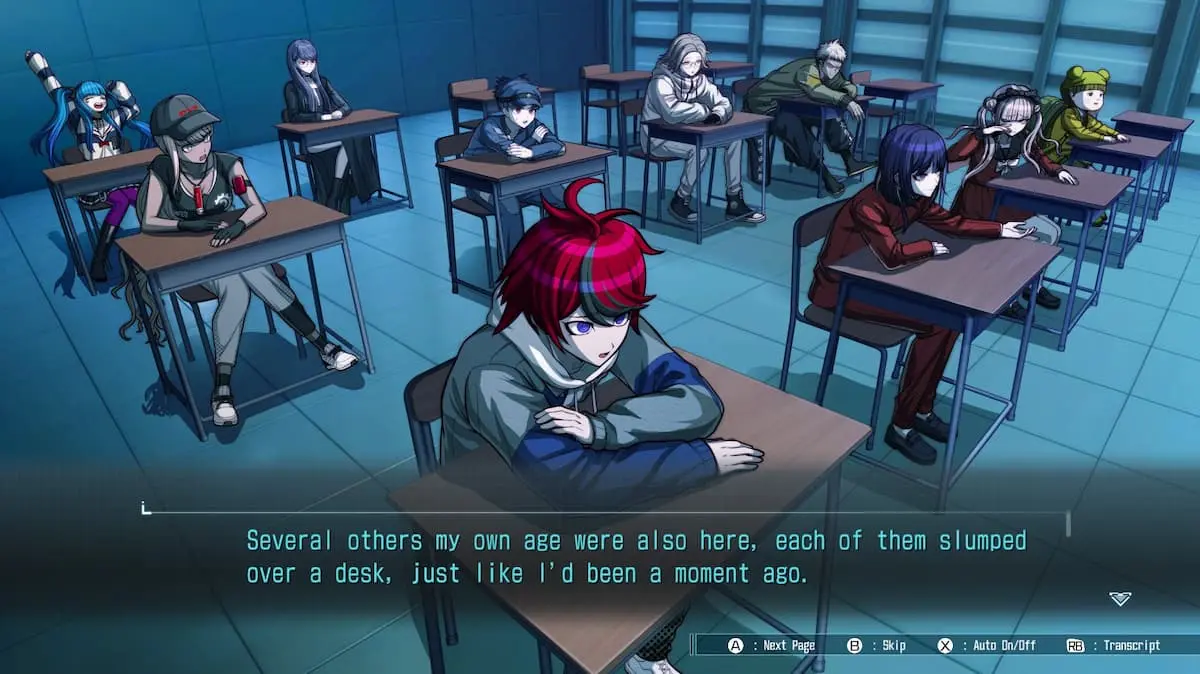
The Hundred Line uses a shared academy crisis to support a branching story. This analysis separates route choices from school-life activities and explains how tactical battles and replay tools shape the commitment.
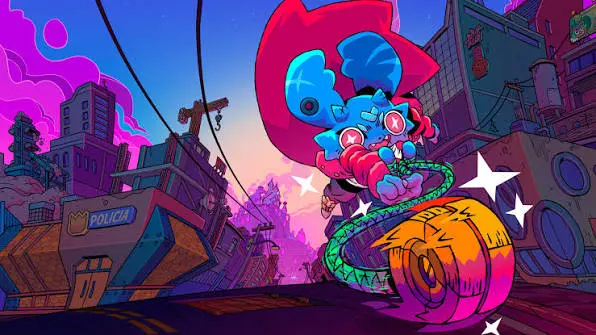
Pipistrello keeps the yoyo at the center while expanding its uses through movement tricks and builds. Its documented systems explain why one tool can support exploration and combat without relying on a constant supply of new weapons.
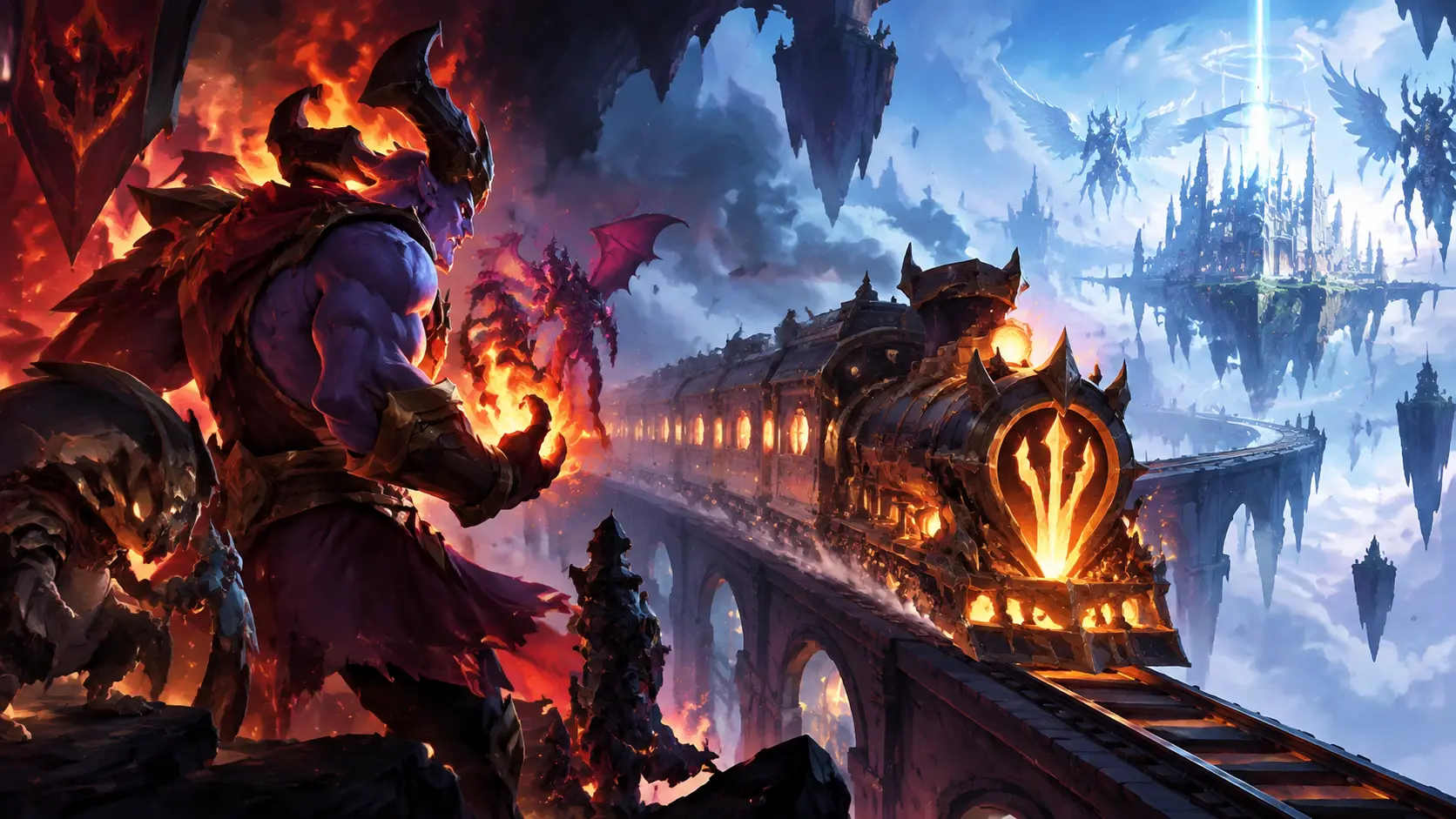
A strong Monster Train 2 deck still needs a workable formation. This guide explains when concentrating units helps, how to plan for surviving enemies, and why Room and Equipment cards tie drafting decisions to placement.
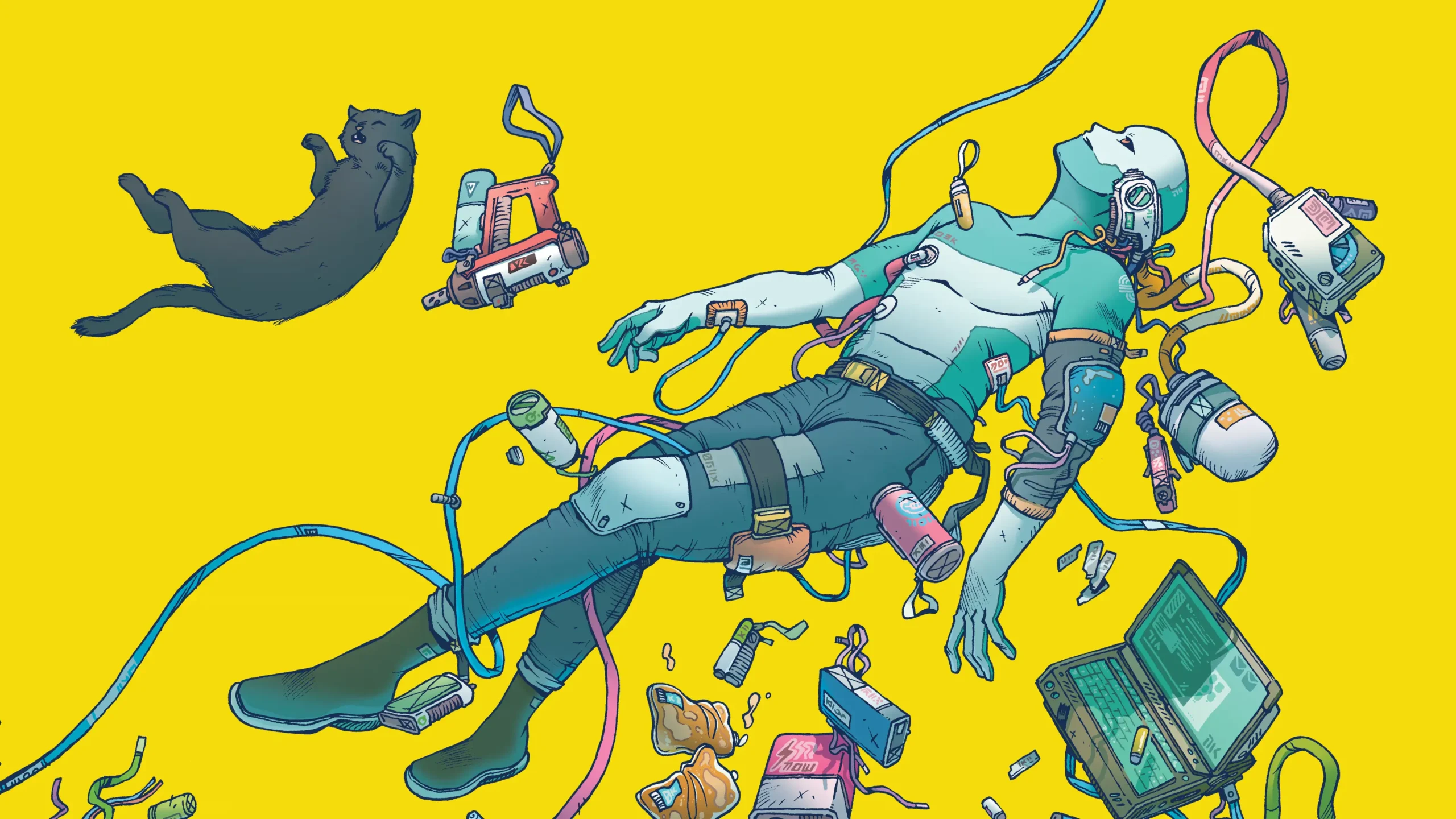
Citizen Sleeper 2 connects immediate risks with future resources. This systems analysis explains dice allocation, stress and contracts, and offers a way to plan around setbacks without pretending that every failure is a reward.
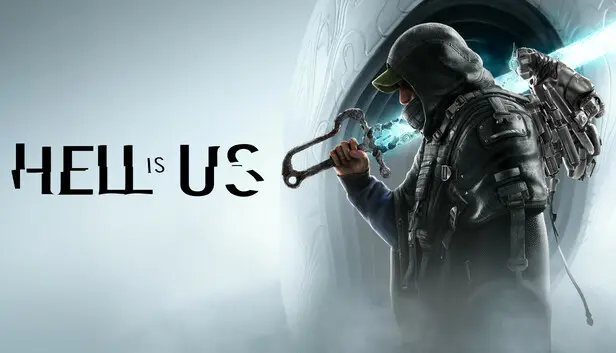
Hell is Us makes directions and landmarks part of the work of exploration. This overview explains its marker-free navigation and offers a practical way to keep track of leads, especially when returning after a break.
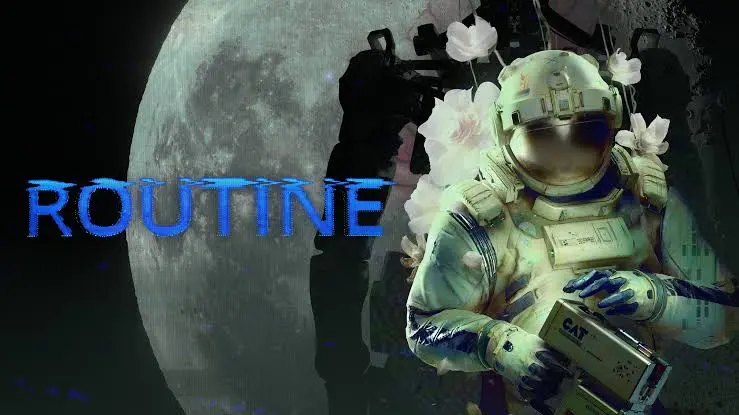
ROUTINE gives its C.A.T. tool investigative uses and a last-resort defensive role. This analysis looks at how limited options, restrained guidance and sound can make exploring its abandoned lunar base tense.