
News&Guides
Cairn: Reading the Climb, Managing Supplies, and Choosing Your Challenge
Cairn makes climbing a problem of posture, route choice and preparation. Instead of reducing the mountain to a chain of automatic handholds, it asks you to pay attention to Aava’s body and decide how to continue. The important qualification is that the degree of punishment is adjustable.
This article examines the developers’ published descriptions and updates. It is a source-based design analysis rather than a hands-on review.
The mountain is a route to read
In The Game Bakers’ launch description, Aava attempts the first ascent of Mount Kami. Players choose their route and place her limbs while she adapts to the available holds. The mountain also contains traces of earlier expeditions and people who have lived there.
The central design idea is that looking ahead matters. A tempting next hold is only part of the problem; you also need somewhere to rest or continue afterward. This creates a different kind of pacing from movement built around reaching the next obvious checkpoint.
It is reasonable to read that as a game about judgment under pressure. It is not evidence that the simulation reproduces every physical risk of actual mountaineering.
Fatigue is communicated through the character
The developer describes climbing cues that include changing breathing, shaking limbs and a camera that moves closer as stamina runs low. Minimal interface design puts more attention on those signals.
Minimal does not mean absent. Cairn has interface elements and survival gauges, and the March 24, 2026 quality-of-life update added a breathing-feedback option to visualize Aava’s effort. A player who has difficulty hearing a cue should not be told that the game provides no alternative.
A useful habit is to pause your route planning before a demanding stretch: identify a plausible resting position, look at the sequence of movements needed to reach it and avoid treating the next upward move as automatically the best one.
Supplies make detours meaningful
The launch description identifies food, water, warmth and camping as part of the ascent. Backpack space is limited, so exploration can support survival as well as reveal the mountain’s history.
This gives the journey two scales. A single move asks whether Aava can maintain a workable position. A longer section asks whether the route leaves enough resources for what follows. The appeal lies in the interaction: an apparently efficient line may be less attractive if it bypasses a place to recover.
Choose the challenge you actually want
The developer’s accessibility information lists three difficulty levels: Explorer, Alpinist and Free Solo. Explorer and Alpinist offer Assist Mode options, including:
- Fall Rewind: return to the position before a mistake.
- Infinite climbing supplies: unlimited pitons, chalk and tape.
- Auto-saving: save when reaching solid ground.
- No survival: remove hunger, thirst and cold pressures.
Other documented options include input rebinding, skipping the timing-based piton minigame, highlighting limbs, vibration adjustment and pausing. These are part of the design, not an unofficial workaround.
If the route-finding interests you but resource pressure does not, the settings let you separate those preferences. If you want harsher consequences, choose accordingly. Neither choice needs to be presented as the only authentic way to understand the game.
Presentation and performance deserve separate checks
The March update added a PS5 Performance mode and changes to wall-exit behavior, Climbot and automatic finger taping. That establishes ongoing adjustments; it does not establish a tested frame rate on every machine.
Before deciding whether Cairn suits you, examine gameplay showing sustained climbing rather than only scenery, and inspect the available options. Its distinctive attraction is the attention it gives to each part of an ascent. You can value that attention without accepting a claim that suffering is mandatory or that a game has taught you how to climb a real mountain.

BO7 Nuke Calling Card Lobby
Listed Platforms: PC, Xbox, and PS5.
A self-played lobby service for the calling-card option selected in your order, including Nuke Out or Nuclear Killer where available. Confirm platform support, challenge requirements, session details, and current availability before purchase.
You play on your own account. Game and platform rules still apply; self-play does not eliminate account risks or guarantee gameplay results.

BO7 Warzone Bot Lobbies
Supported Platform: PC, Xbox & PS5
Self-played lobby sessions for players working on weapon levels, camouflage unlocks, and challenges. Contact our team before ordering to confirm current availability and your requirements. Progress varies, and account risks cannot be ruled out.

Call Of Duty BO7 Apocalypse Camo Unlock
Supported Platform: All Platforms (PC, Xbox & PS5)
Unlock BO7’s ultra-rare Apocalypse Camo Unlock Camo quickly and safely! Skip the grind, gear up with one of the rarest camos in Call of Duty, and flex it in-game today!

Call Of Duty BO7 Nexus Horizon Camo Unlock
Supported Platform: All Platforms (PC, Xbox & PS5)
Unlock BO7’s ultra-rare Nexus Horizon Camo quickly and safely! Skip the grind, gear up with one of the rarest camos in Call of Duty, and flex it in-game today!

Cronos: The New Dawn PS5 Save and Trophy Service
Supported Platform: PlayStation 5 only.
A completed first-timeline save for New Game+ (Cycle 2), with a 250 HP Bio-suit, 12-slot inventory, all 7 weapons, item schematics, the Leviathan skin, supplies, and selected trophy checkpoints. Review the included content and confirm compatibility with our team before ordering.
Important: Delivery replaces your existing game progress. Game and platform rules apply; account risks cannot be ruled out.

COD BO7 Little Caesar Skin Codes
Supported Platform: All Platforms (PC, Xbox & PS5)
After payment, you will immediately receive the KEYs.
Alternatively, you can send me your account username password so that I can redeem it for you. For security, I will record the entire process until the item is received and I log out of your account.
When the key has been redeemed, you’ll receive the Black Ops 7 Little Caesar DLC Bundles and claim exclusive in-game rewards!
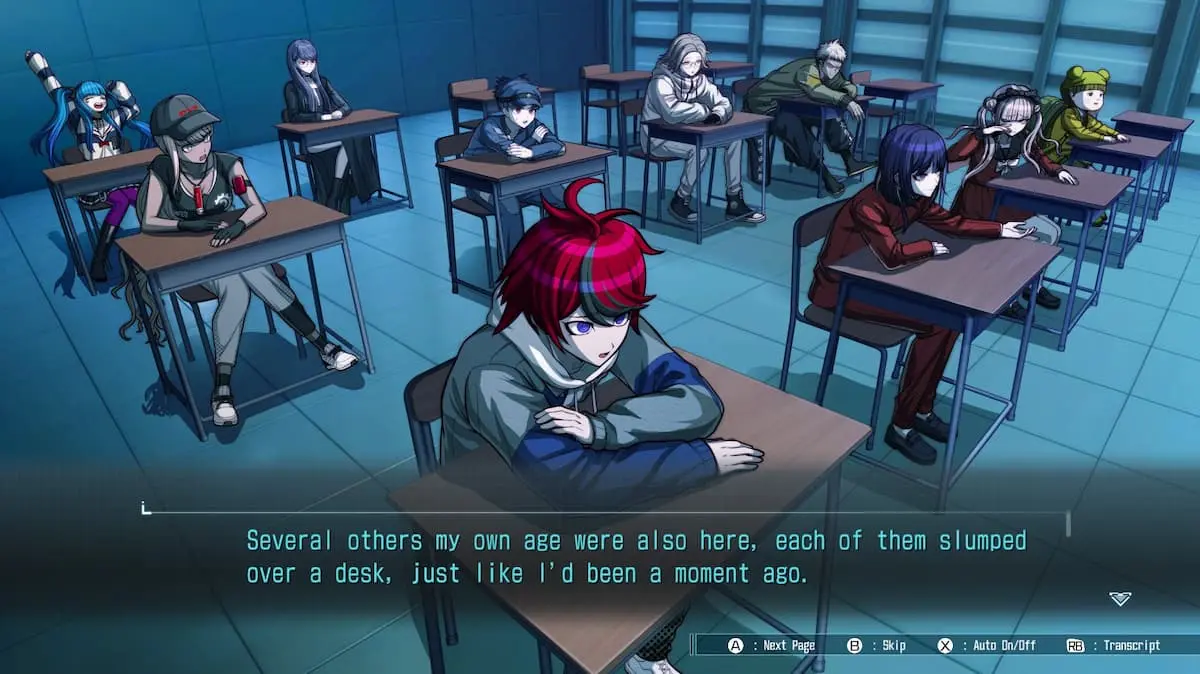
The Hundred Line uses a shared academy crisis to support a branching story. This analysis separates route choices from school-life activities and explains how tactical battles and replay tools shape the commitment.

Pipistrello keeps the yoyo at the center while expanding its uses through movement tricks and builds. Its documented systems explain why one tool can support exploration and combat without relying on a constant supply of new weapons.
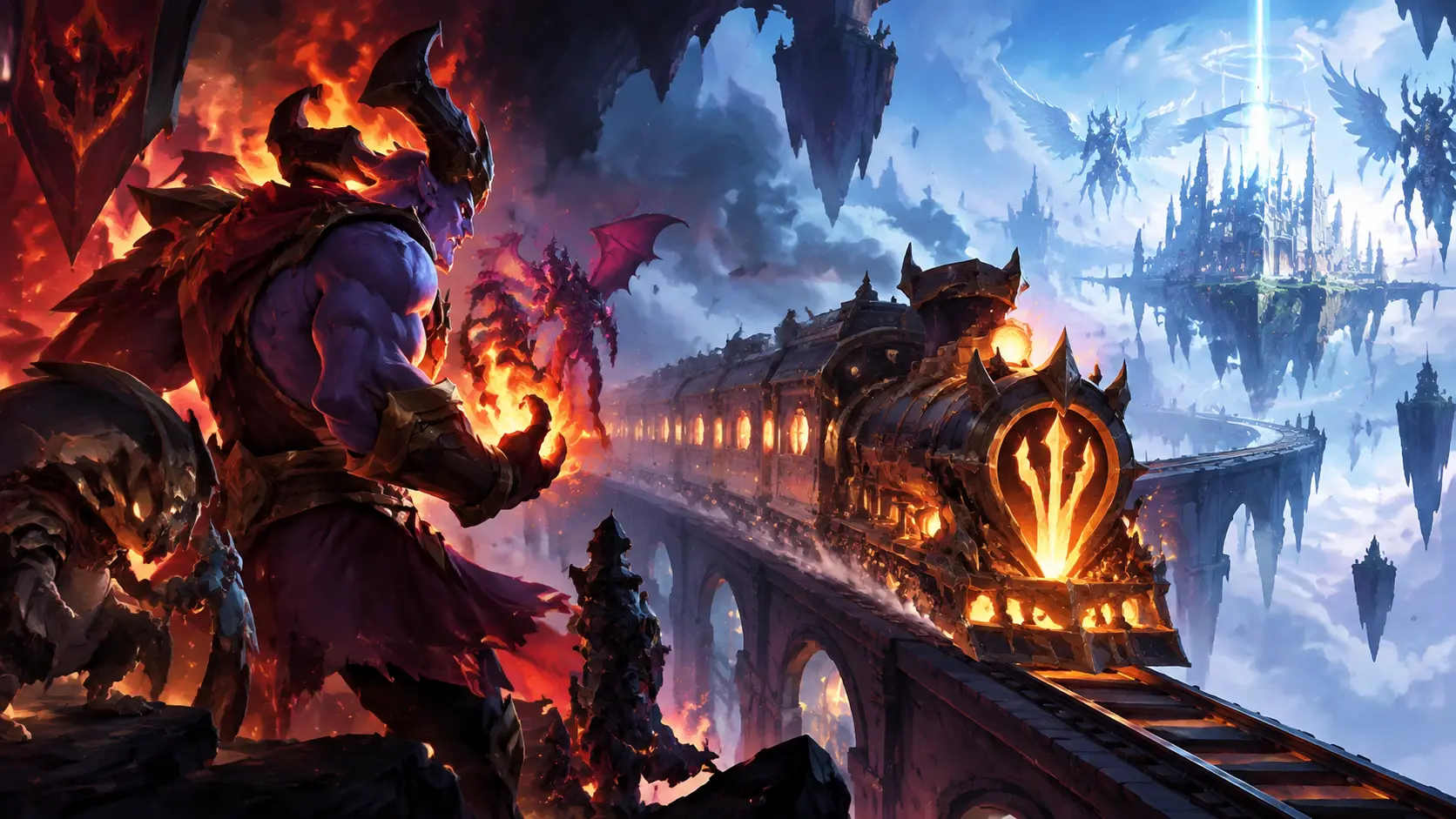
A strong Monster Train 2 deck still needs a workable formation. This guide explains when concentrating units helps, how to plan for surviving enemies, and why Room and Equipment cards tie drafting decisions to placement.
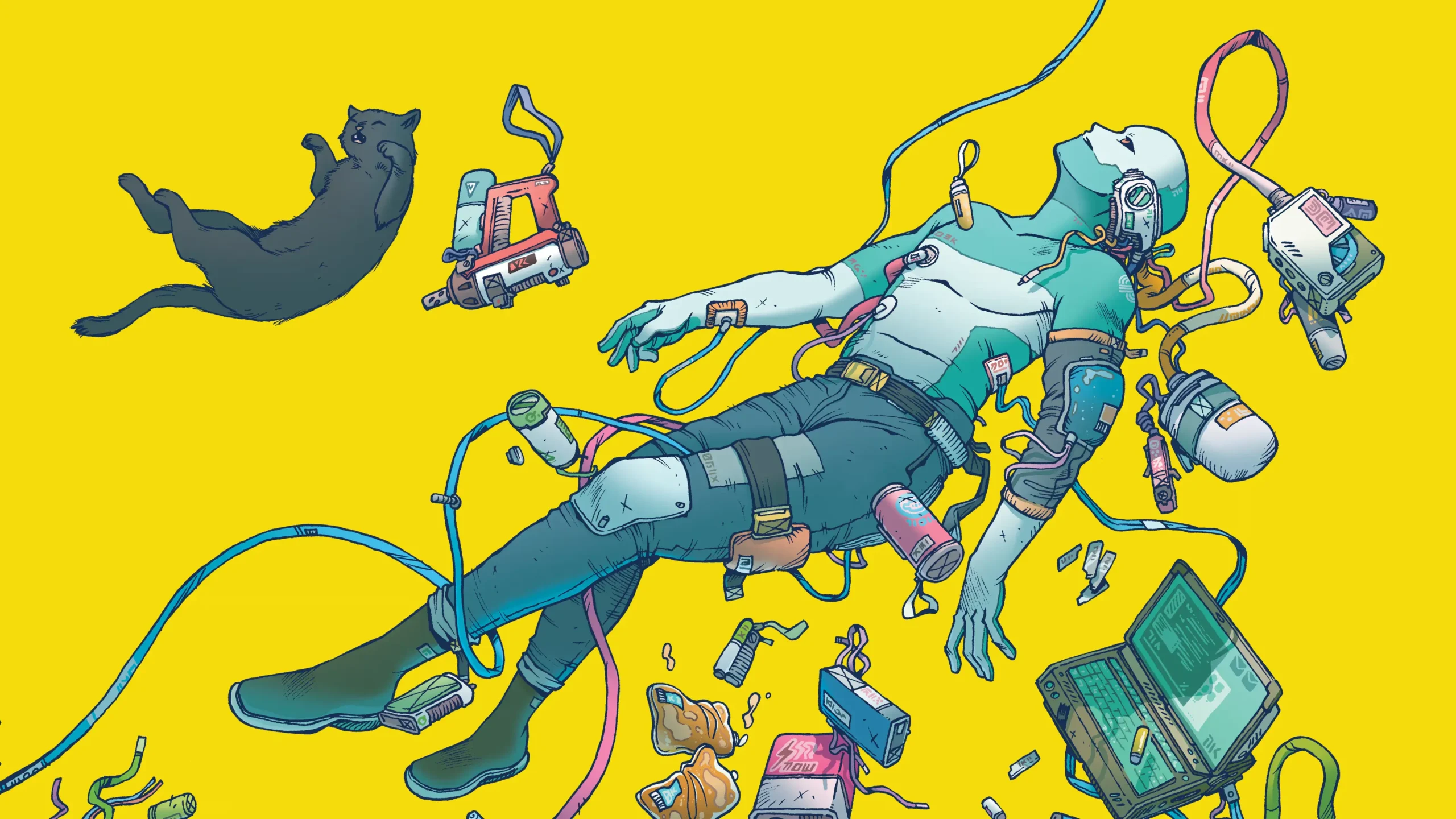
Citizen Sleeper 2 connects immediate risks with future resources. This systems analysis explains dice allocation, stress and contracts, and offers a way to plan around setbacks without pretending that every failure is a reward.
Hell is Us makes directions and landmarks part of the work of exploration. This overview explains its marker-free navigation and offers a practical way to keep track of leads, especially when returning after a break.
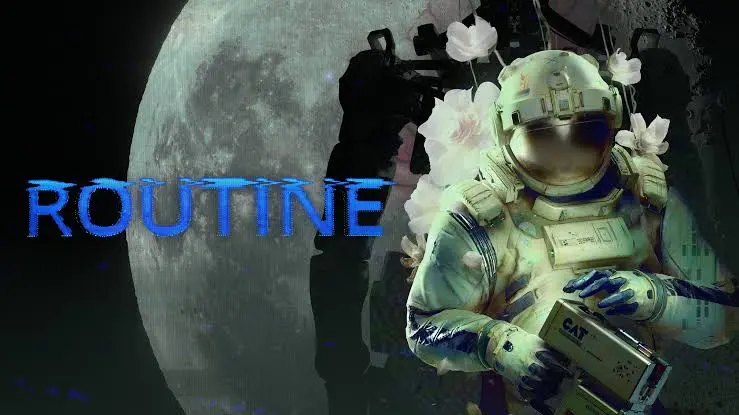
ROUTINE gives its C.A.T. tool investigative uses and a last-resort defensive role. This analysis looks at how limited options, restrained guidance and sound can make exploring its abandoned lunar base tense.