
News&Guides
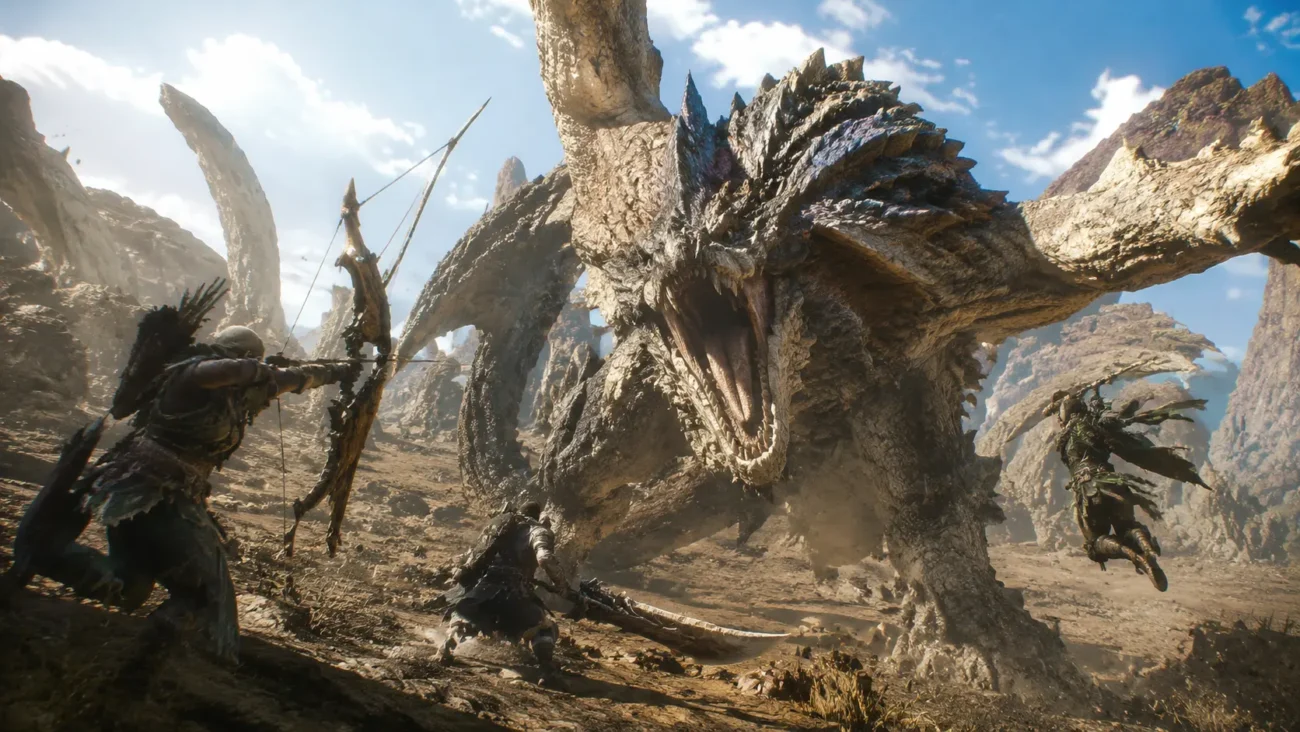
Monster Hunter Wilds changes the rhythm of hunting through several connected systems: directed aiming, visible wounds, preparation while riding and additional places to manage equipment. Their significance is easier to explain through what they let the player do than through a sweeping claim that the whole series has become effortless.
This is a source-based comparison of documented hunting systems, rather than a hands-on review.
Focus Mode makes direction explicit
Capcom describes Focus Mode as a way to aim attacks and guards in the direction the camera faces. It also highlights wounds and weak points. Focus Strikes can destroy wounds, dealing substantial damage and stunning a monster.
This is more precise than calling the feature an automatic lock-on that performs the attack for you. The visual information can help identify a target, but positioning and timing still affect whether you can capitalize on it. Readability and mastery are not the same thing.
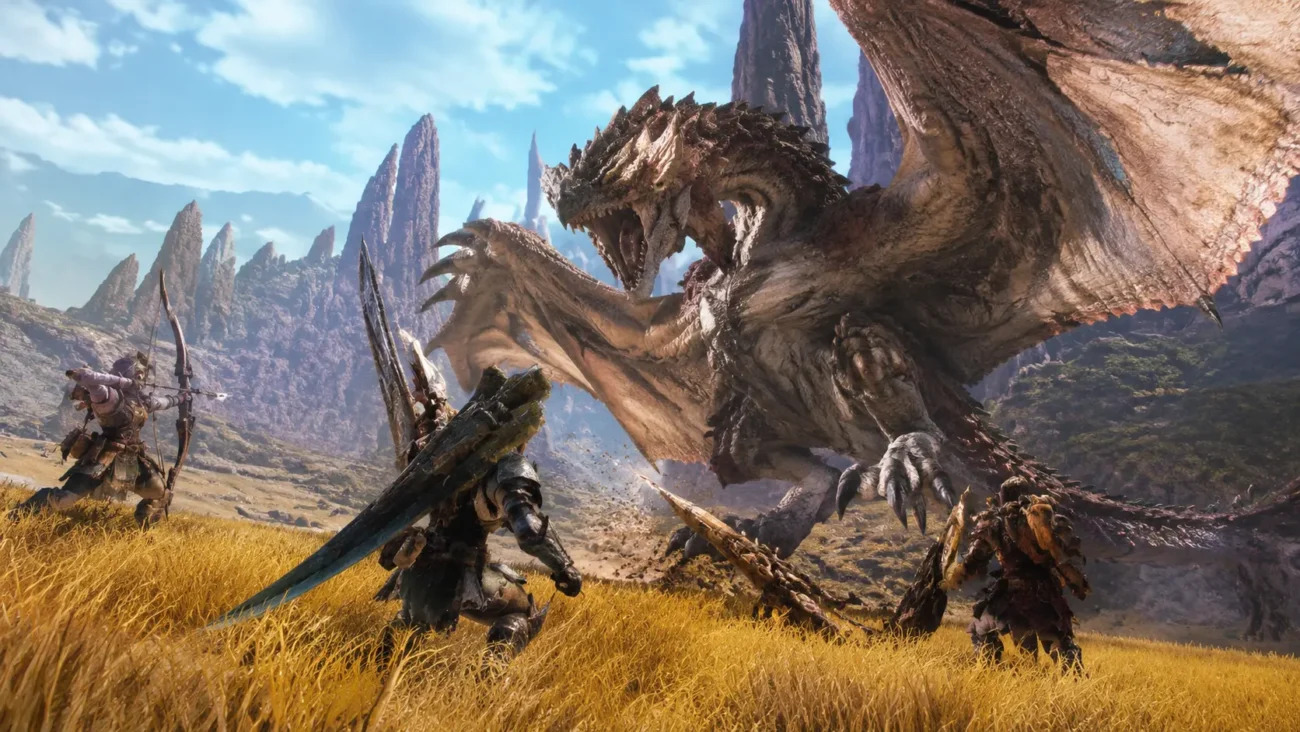
Seikret makes travel useful preparation time
The mount can navigate to an objective or selected map location. Capcom also lists healing, sharpening and gathering among the things supported while mounted, using appropriate items or the slinger.
That can change the transition between encounters. Instead of treating movement and preparation as completely separate tasks, the player can combine some of them. It does not follow that travel disappears or that preparation no longer matters. The available actions remain specific, and choosing a destination is still a decision.
Pop-up camps support the route
Capcom states that each area allows a set number of pop-up camps. They support item and equipment management, fast travel, quest starts and returning after a faint.
They should not be described as unlimited camps deployable anywhere at any moment. Their importance is that they add planning opportunities around a hunting area. A convenient support point can affect how you organize a session, even when the monster itself is unchanged.
Locales have distinct environmental conditions
The official ecosystem overview distinguishes the Windward Plains’ thunderous Sandtide, the Scarlet Forest’s flooding Downpour and the Oilwell Basin’s Firespring. These are specific examples of changing conditions, rather than evidence for an undefined simulation of every season.
The regions’ identities give exploration a context beyond approaching the next target. Whether those changes feel immersive or inconvenient will depend on what a player values in a hunt.
A change in emphasis, not a rejection of the past
Monster Hunter: World’s official overview already emphasizes preparation, environmental advantages and a living ecosystem. Wilds does not need those earlier strengths to be erased to make its own additions meaningful.
The useful distinction is how its particular tools connect the stages of a hunt. Focus Mode helps communicate direction; Seikret supports preparation in motion; camps provide logistical options. Those systems may make some interactions more approachable without proving that all weapons or all encounters are easy.
For a returning player, try evaluating each tool separately before deciding what the new rhythm means to you. For a newcomer, use the added information as a learning aid rather than a substitute for observing the monster.
Sources: Capcom’s Focus Mode, expedition and ecosystem explanations; the Monster Hunter: World overview.
To turn these tools into a focused learning session, see our practice goals beyond clear time.

BO7 Nuke Calling Card Lobby
Listed Platforms: PC, Xbox, and PS5.
A self-played lobby service for the calling-card option selected in your order, including Nuke Out or Nuclear Killer where available. Confirm platform support, challenge requirements, session details, and current availability before purchase.
You play on your own account. Game and platform rules still apply; self-play does not eliminate account risks or guarantee gameplay results.

BO7 Warzone Bot Lobbies
Supported Platform: PC, Xbox & PS5
Self-played lobby sessions for players working on weapon levels, camouflage unlocks, and challenges. Contact our team before ordering to confirm current availability and your requirements. Progress varies, and account risks cannot be ruled out.

Call Of Duty BO7 Apocalypse Camo Unlock
Supported Platform: All Platforms (PC, Xbox & PS5)
Unlock BO7’s ultra-rare Apocalypse Camo Unlock Camo quickly and safely! Skip the grind, gear up with one of the rarest camos in Call of Duty, and flex it in-game today!

Call Of Duty BO7 Nexus Horizon Camo Unlock
Supported Platform: All Platforms (PC, Xbox & PS5)
Unlock BO7’s ultra-rare Nexus Horizon Camo quickly and safely! Skip the grind, gear up with one of the rarest camos in Call of Duty, and flex it in-game today!

Cronos: The New Dawn PS5 Save and Trophy Service
Supported Platform: PlayStation 5 only.
A completed first-timeline save for New Game+ (Cycle 2), with a 250 HP Bio-suit, 12-slot inventory, all 7 weapons, item schematics, the Leviathan skin, supplies, and selected trophy checkpoints. Review the included content and confirm compatibility with our team before ordering.
Important: Delivery replaces your existing game progress. Game and platform rules apply; account risks cannot be ruled out.

COD BO7 Little Caesar Skin Codes
Supported Platform: All Platforms (PC, Xbox & PS5)
After payment, you will immediately receive the KEYs.
Alternatively, you can send me your account username password so that I can redeem it for you. For security, I will record the entire process until the item is received and I log out of your account.
When the key has been redeemed, you’ll receive the Black Ops 7 Little Caesar DLC Bundles and claim exclusive in-game rewards!
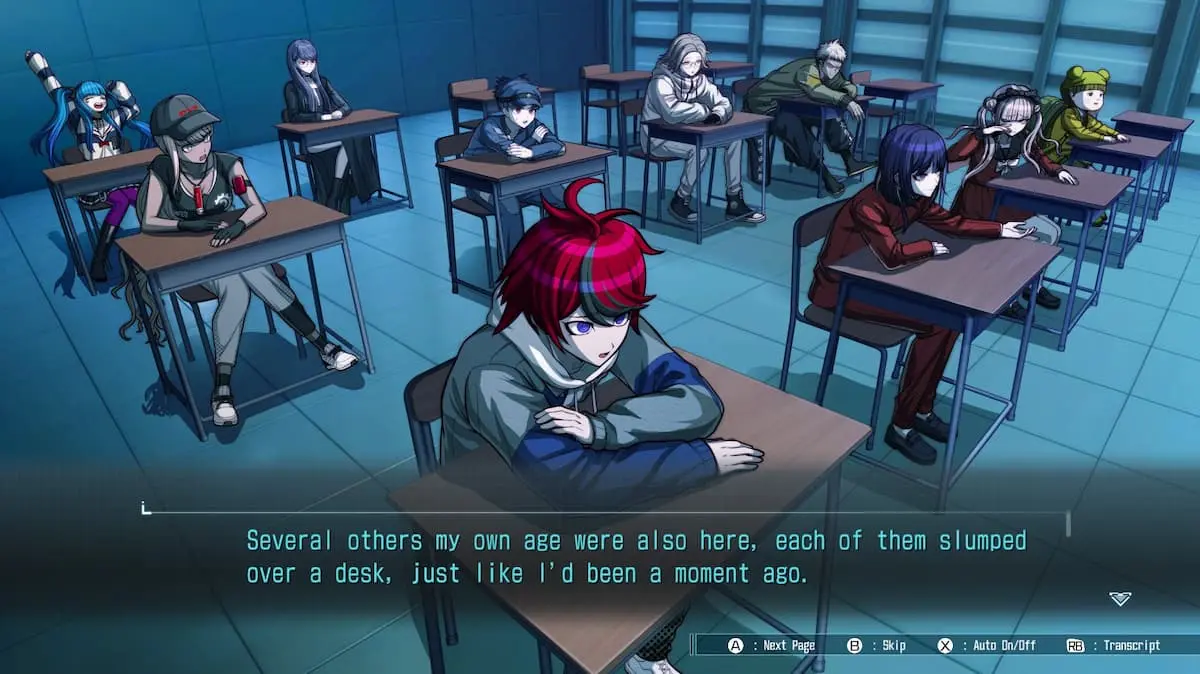
The Hundred Line uses a shared academy crisis to support a branching story. This analysis separates route choices from school-life activities and explains how tactical battles and replay tools shape the commitment.
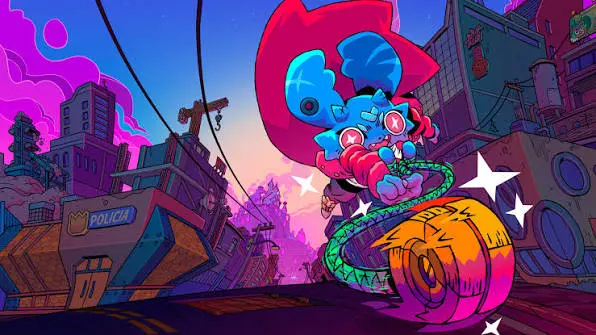
Pipistrello keeps the yoyo at the center while expanding its uses through movement tricks and builds. Its documented systems explain why one tool can support exploration and combat without relying on a constant supply of new weapons.
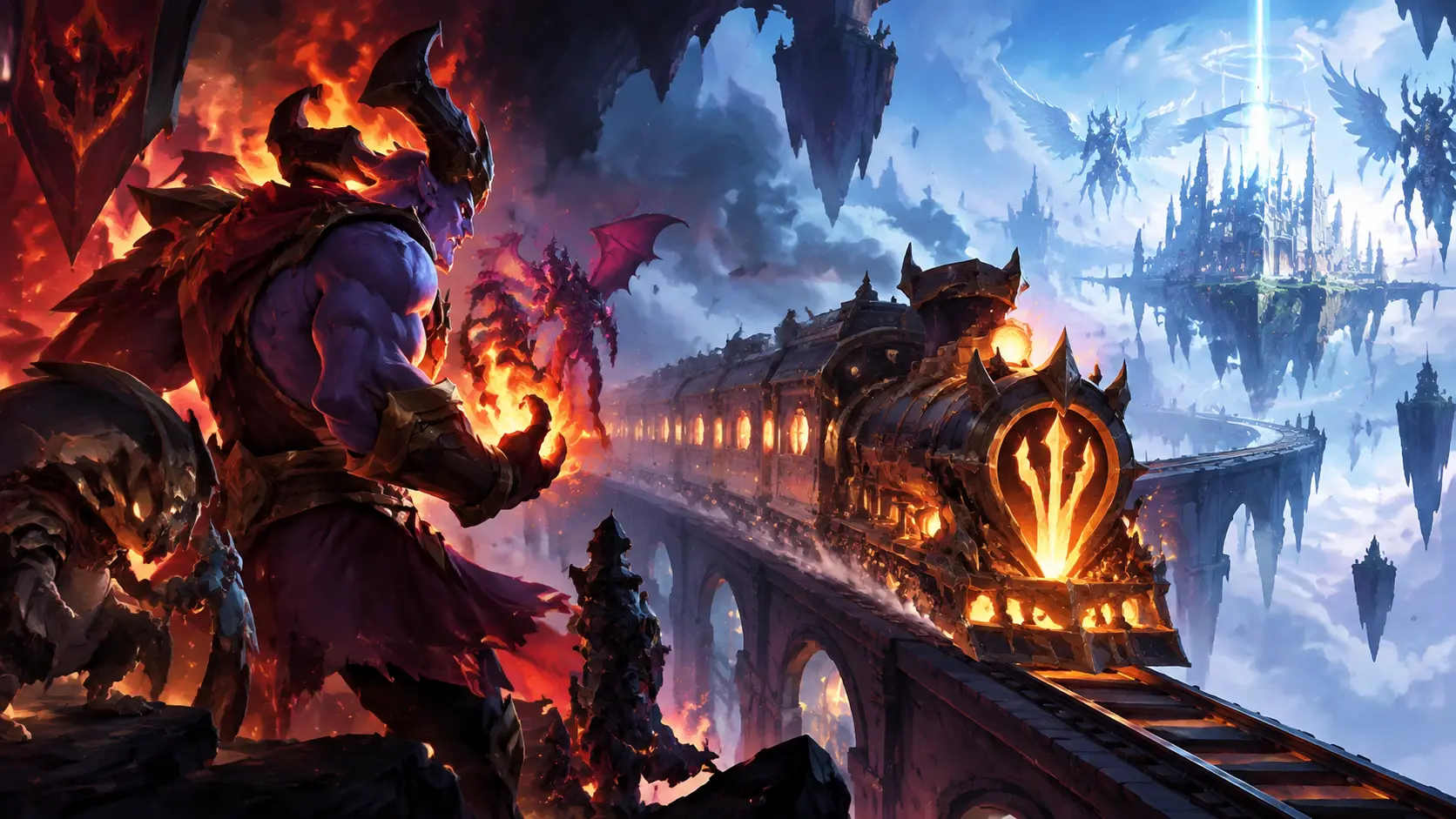
A strong Monster Train 2 deck still needs a workable formation. This guide explains when concentrating units helps, how to plan for surviving enemies, and why Room and Equipment cards tie drafting decisions to placement.
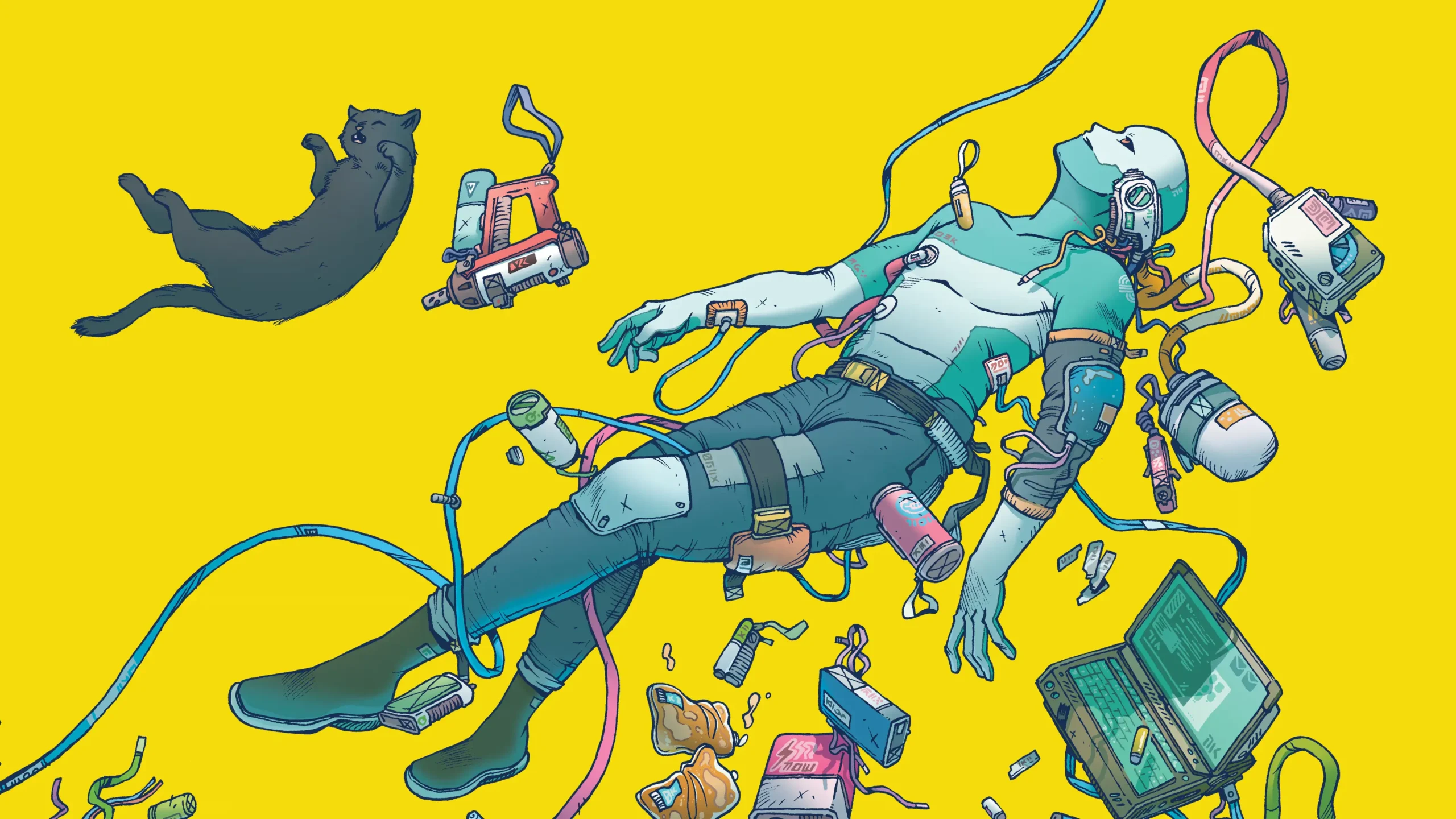
Citizen Sleeper 2 connects immediate risks with future resources. This systems analysis explains dice allocation, stress and contracts, and offers a way to plan around setbacks without pretending that every failure is a reward.
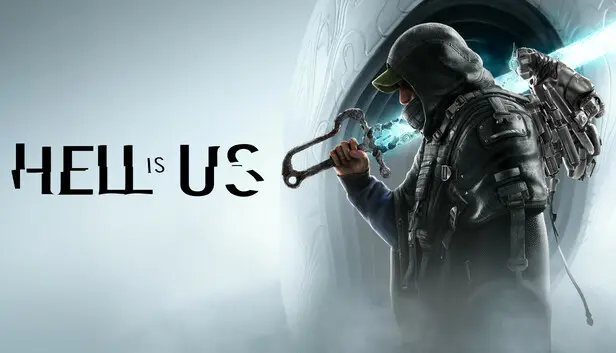
Hell is Us makes directions and landmarks part of the work of exploration. This overview explains its marker-free navigation and offers a practical way to keep track of leads, especially when returning after a break.
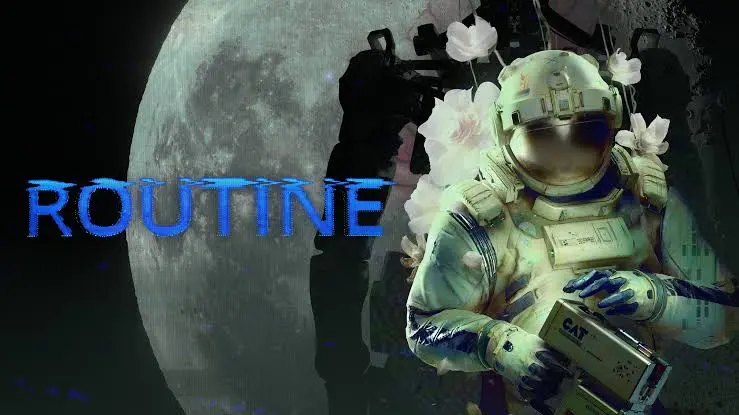
ROUTINE gives its C.A.T. tool investigative uses and a last-resort defensive role. This analysis looks at how limited options, restrained guidance and sound can make exploring its abandoned lunar base tense.