
News&Guides
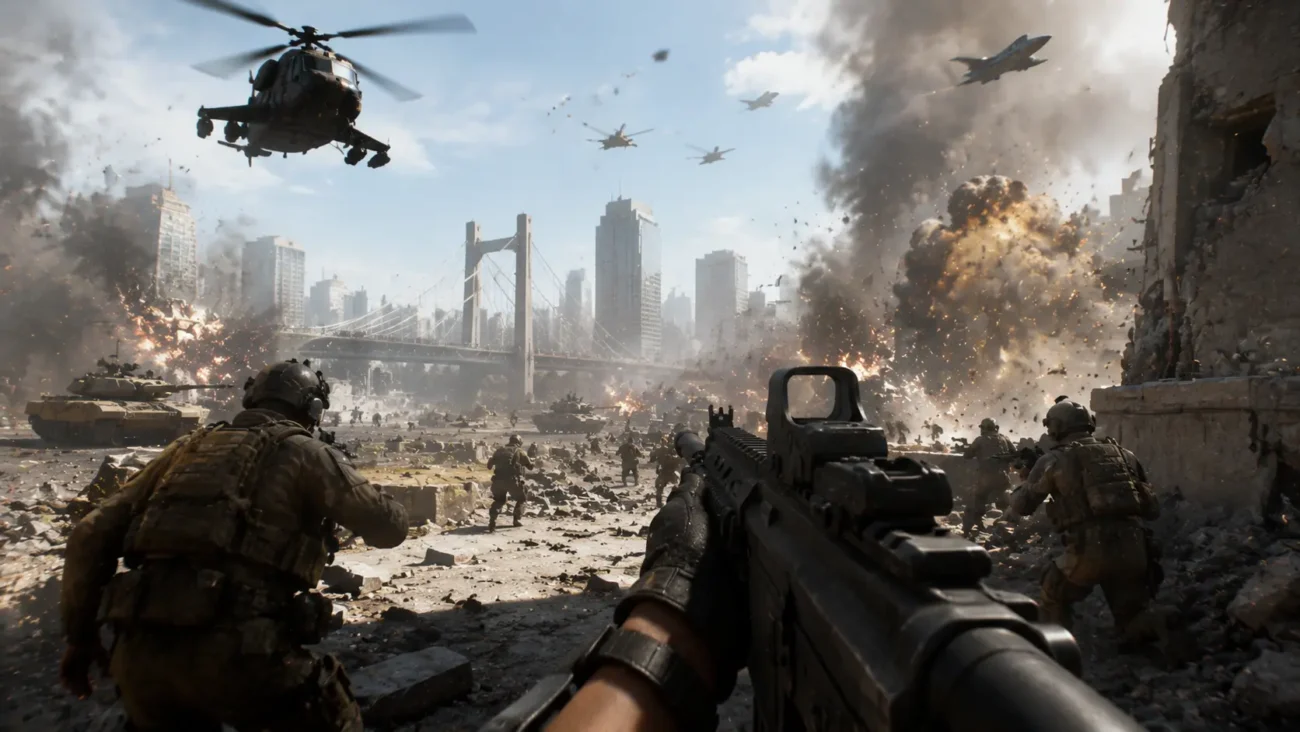
A breach in a wall is interesting because it changes a decision. A firing position can become exposed, a route can open, and a squad may have to relocate. That is the useful idea behind Battlefield’s chaos: the environment and the players affect one another, rather than simply producing a louder spectacle.
This article analyzes Battlefield 6’s officially described classes and tactical destruction, using a hypothetical squad situation to explain their interaction.
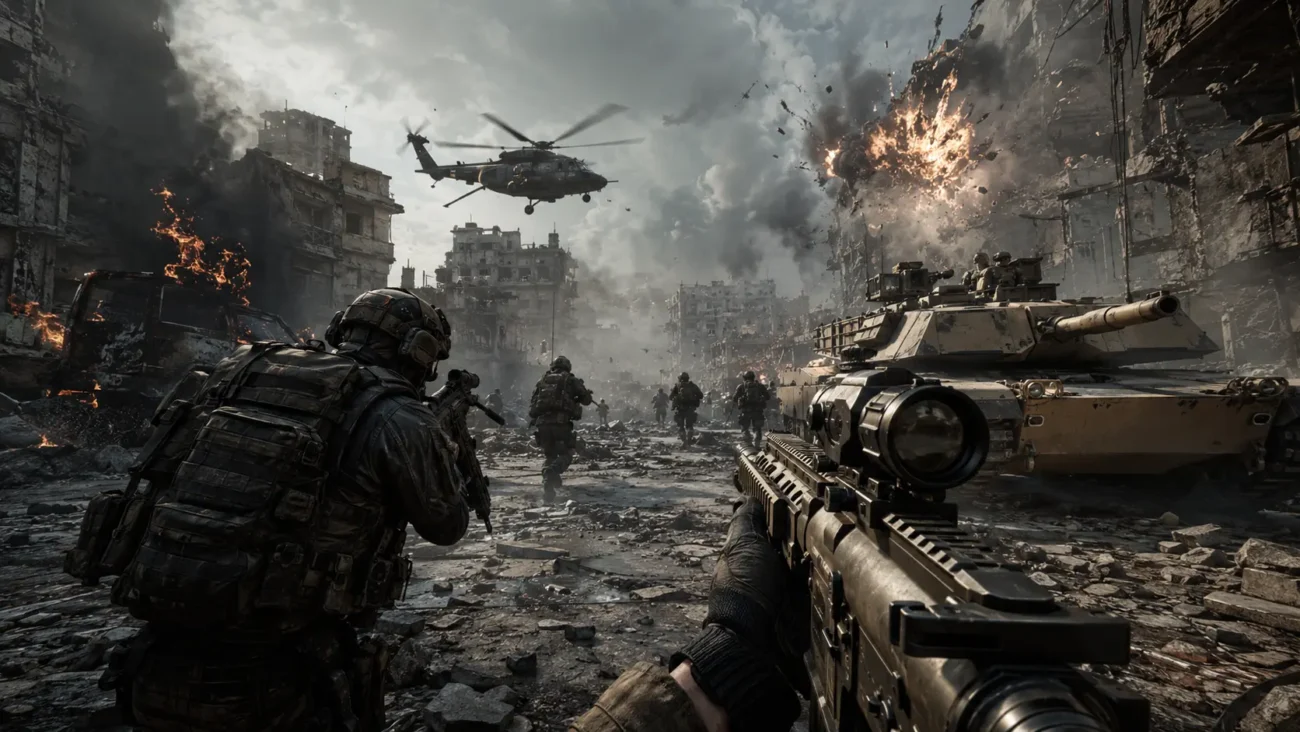
Destruction has a tactical purpose
EA’s game overview describes tactical destruction alongside infantry and vehicle combat. That supports discussing how changing the surroundings can create an advantage. It does not prove that every floor, supporting column or building can be destroyed in the same way.
A useful hypothetical is a squad holding an objective behind cover. If an opponent removes that cover, the squad must reassess its sightlines and escape route. The value of the destruction comes from that changed situation, not just the debris animation. This is an example of how the systems can interact, not a claim about a recorded match.
Four classes give the response structure
The official class descriptions assign different tools to Assault, Engineer, Recon and Support:
- Assault: front-line pressure and enhanced mobility, with the option of an additional primary weapon.
- Engineer: rockets and mines against vehicles, plus the ability to repair friendly vehicles, equipment and weapon placements.
- Recon: information tools, including drones and laser designation, as well as C4.
- Support: supply crates, healing, deployable cover and tools to intercept incoming explosives.
Choose a class for the support the squad needs. Support supplies and sustains the group; Engineer handles vehicle threats and repairs. Recon also carries tools for disruption, so environmental pressure is not solely the Engineer’s responsibility.
One change can create several decisions
Consider the same hypothetical breach. Assault may be suited to exploiting it, but pushing without information risks entering a watched angle. Recon can help identify threats; Support can help sustain the position; an Engineer may have to deal with the vehicle that now has a line of fire.
This is where a combined-arms game differs from a simple comparison of individual weapons. A useful action may be enabling somebody else’s next action. Repairing a vehicle or maintaining supplies can matter even when it does not produce the most dramatic moment on screen.
Uncertainty still needs readable rules
Unpredictability is not automatically good design. If players cannot connect a consequence to an action, a surprising death becomes difficult to learn from. The critical question is whether a match allows players to understand enough of the situation to make a new plan.
For a player, that suggests practical habits: keep track of a second route, reconsider cover after explosions, and choose a class for the problem the squad needs solved. Those recommendations do not require assuming friendly fire is enabled in every mode or that an entire building will collapse on command.
A better comparison than ‘old Battlefield versus new’
It is tempting to explain every difference from an earlier entry as proof that teamwork has returned or disappeared. Such comparisons depend on the mode, map and version being discussed. A more precise test for Battlefield 6 is whether destruction, vehicle pressure and class tools create meaningful changes within a match.
The strongest form of chaos gives players a reason to adapt together. The point is not that planning becomes useless. It is that a plan should survive through decisions, communication and a fallback route—not through an assumption that the battlefield will stay still.

BO7 Nuke Calling Card Lobby
Listed Platforms: PC, Xbox, and PS5.
A self-played lobby service for the calling-card option selected in your order, including Nuke Out or Nuclear Killer where available. Confirm platform support, challenge requirements, session details, and current availability before purchase.
You play on your own account. Game and platform rules still apply; self-play does not eliminate account risks or guarantee gameplay results.

BO7 Warzone Bot Lobbies
Supported Platform: PC, Xbox & PS5
Self-played lobby sessions for players working on weapon levels, camouflage unlocks, and challenges. Contact our team before ordering to confirm current availability and your requirements. Progress varies, and account risks cannot be ruled out.

Call Of Duty BO7 Apocalypse Camo Unlock
Supported Platform: All Platforms (PC, Xbox & PS5)
Unlock BO7’s ultra-rare Apocalypse Camo Unlock Camo quickly and safely! Skip the grind, gear up with one of the rarest camos in Call of Duty, and flex it in-game today!

Call Of Duty BO7 Nexus Horizon Camo Unlock
Supported Platform: All Platforms (PC, Xbox & PS5)
Unlock BO7’s ultra-rare Nexus Horizon Camo quickly and safely! Skip the grind, gear up with one of the rarest camos in Call of Duty, and flex it in-game today!

Cronos: The New Dawn PS5 Save and Trophy Service
Supported Platform: PlayStation 5 only.
A completed first-timeline save for New Game+ (Cycle 2), with a 250 HP Bio-suit, 12-slot inventory, all 7 weapons, item schematics, the Leviathan skin, supplies, and selected trophy checkpoints. Review the included content and confirm compatibility with our team before ordering.
Important: Delivery replaces your existing game progress. Game and platform rules apply; account risks cannot be ruled out.

COD BO7 Little Caesar Skin Codes
Supported Platform: All Platforms (PC, Xbox & PS5)
After payment, you will immediately receive the KEYs.
Alternatively, you can send me your account username password so that I can redeem it for you. For security, I will record the entire process until the item is received and I log out of your account.
When the key has been redeemed, you’ll receive the Black Ops 7 Little Caesar DLC Bundles and claim exclusive in-game rewards!
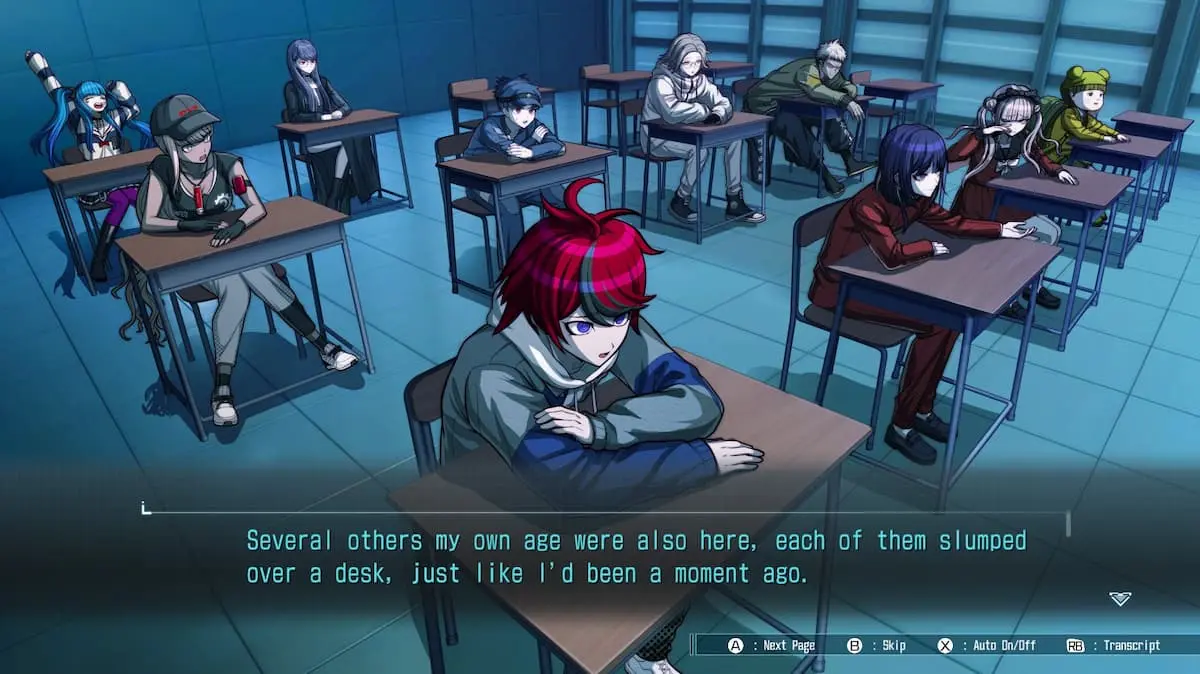
The Hundred Line uses a shared academy crisis to support a branching story. This analysis separates route choices from school-life activities and explains how tactical battles and replay tools shape the commitment.

Pipistrello keeps the yoyo at the center while expanding its uses through movement tricks and builds. Its documented systems explain why one tool can support exploration and combat without relying on a constant supply of new weapons.
A strong Monster Train 2 deck still needs a workable formation. This guide explains when concentrating units helps, how to plan for surviving enemies, and why Room and Equipment cards tie drafting decisions to placement.
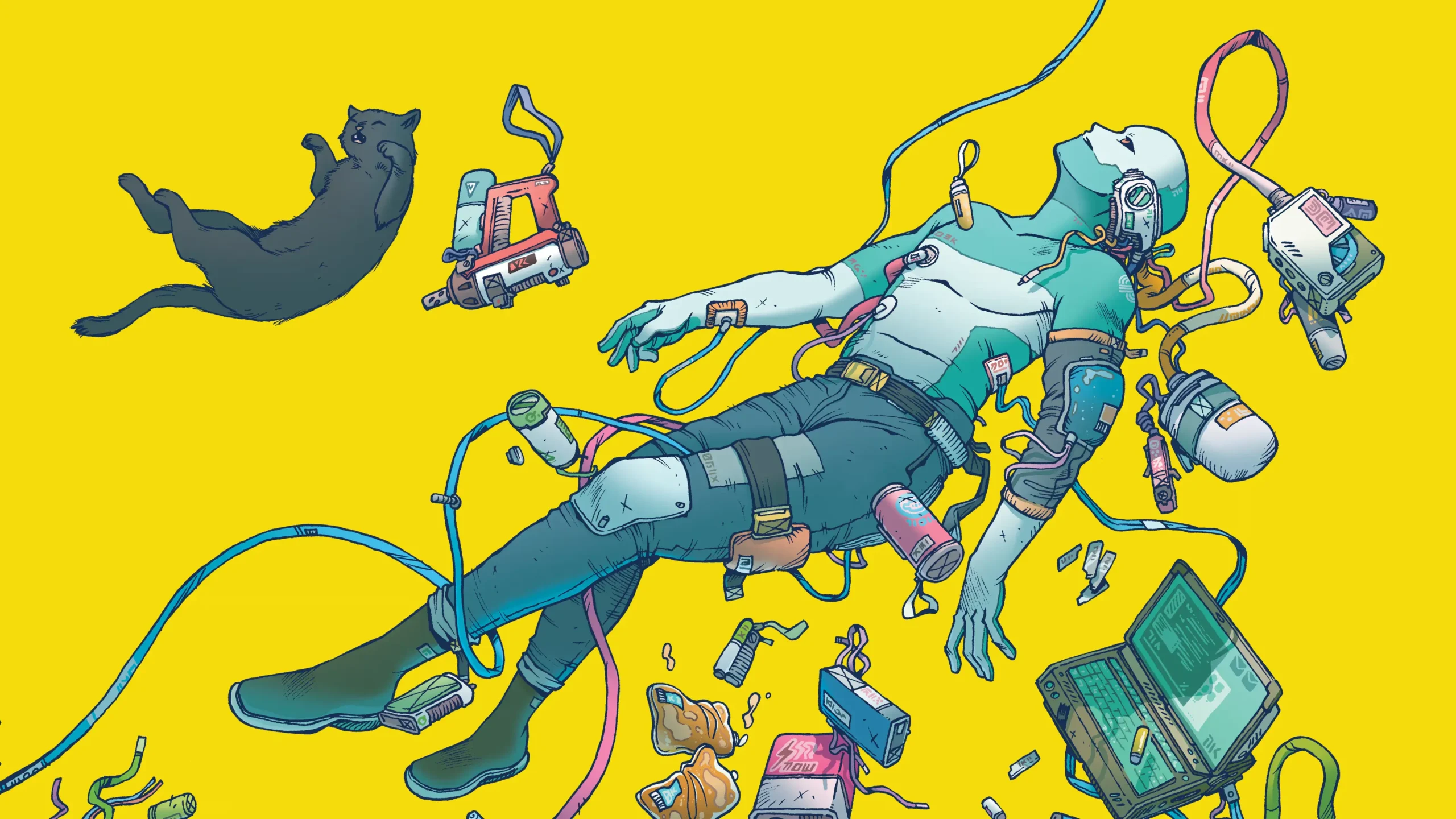
Citizen Sleeper 2 connects immediate risks with future resources. This systems analysis explains dice allocation, stress and contracts, and offers a way to plan around setbacks without pretending that every failure is a reward.
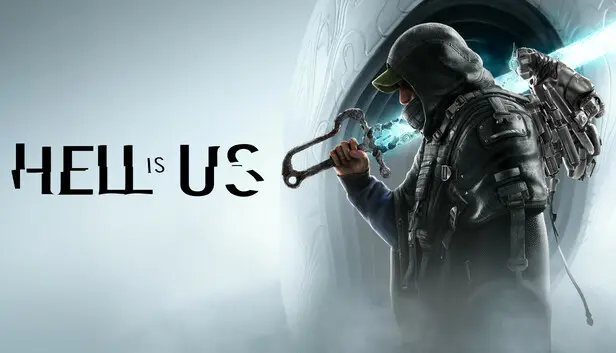
Hell is Us makes directions and landmarks part of the work of exploration. This overview explains its marker-free navigation and offers a practical way to keep track of leads, especially when returning after a break.
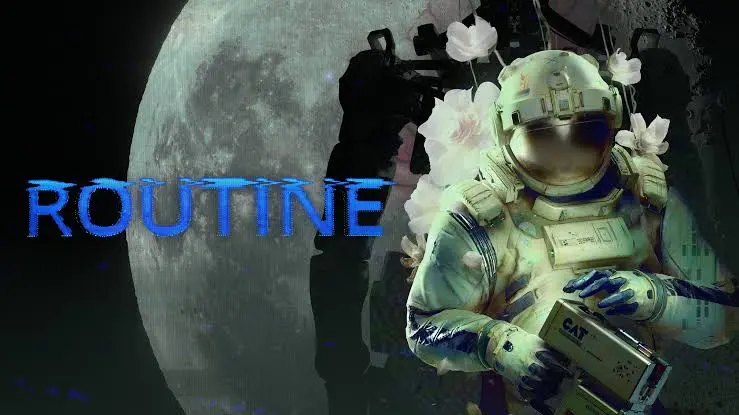
ROUTINE gives its C.A.T. tool investigative uses and a last-resort defensive role. This analysis looks at how limited options, restrained guidance and sound can make exploring its abandoned lunar base tense.