
News&Guides
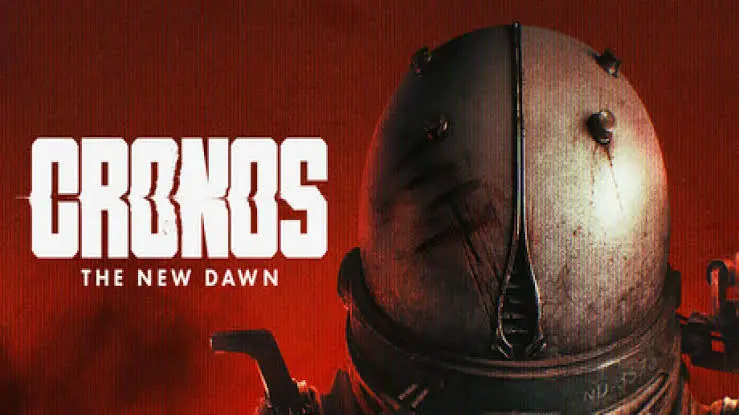
In Cronos: The New Dawn, killing an enemy does not necessarily remove its body from the tactical problem. A living enemy can absorb a corpse and become more dangerous. The resulting pressure is not simply ‘everything comes back to life’: it is deciding which remains might strengthen the next threat, and whether preventing that is worth a limited resource.
The Merge changes what counts as a finished fight
The official publisher page explains that surviving enemies can absorb fallen ones, gaining strength through the Merge. Burning bodies is the countermeasure. Those two rules make the location and future accessibility of a corpse relevant after the immediate shooting stops.
The distinction from automatic resurrection matters. A corpse is a potential resource for another enemy, not proof that every dead creature will independently stand up again. A useful assessment therefore considers both the body and the living threats that might reach it.
Limited fuel turns cleanup into a choice
In an Epic Games Store developer interview, the team explains that fuel is limited and players cannot simply burn every corpse. That constraint is what makes the system more than an extra button pressed after every kill.
A sensible decision process is to ask whether an active enemy can exploit the remains, how dangerous a Merge would be in the current space, and what fuel would remain afterward. This is a framework derived from the rules, not a tested list of corpses that must always be burned.
The fuel decision is clearest when you consider the next threat. Burning remains can deny an enemy a way to grow stronger, but spending fuel on a low-risk body leaves less for a more dangerous situation. Assess the living enemies and the surrounding space before treating cleanup as automatic.

Space matters alongside ammunition
If a fallen enemy can contribute to a later threat, the arrangement of a fight matters as well as the amount of damage dealt. A body in a contested area can create a reason to move, spend fuel, or reassess the next target. The design asks the player to think beyond a binary division between living enemies and harmless scenery.
How consistently that produces interesting encounters requires hands-on evaluation. The mechanism itself supports the narrower conclusion that ammunition efficiency is not the only resource question. Preventing escalation can matter too.
The time-travel premise is a separate source of unease
Developed by Bloober Team and released on September 5, 2025, Cronos follows a Traveler working for the Collective. Its setting connects a devastated future with 1980s Poland. The mission involves finding people in the past and extracting their Essence with the Harvester.
Those extractions concern living people. That gives the journey into the past a different kind of urgency from managing enemy remains in the future: the Traveler’s task involves people facing a catastrophe, while the Merge makes the aftermath of violence an immediate survival problem.
A survival-horror loop built on unfinished consequences
The Merge gives Cronos a clear mechanical question: what does this kill leave behind? Players who enjoy weighing immediate safety against future resources have a specific reason to be interested. Those who dislike post-fight resource decisions may find the same rule demanding.
This source-based analysis rests on the interaction between living enemies, remains, and limited fuel. Before the next shot, think about what the kill will leave behind; after it, reassess whether the body creates a danger worth spending fuel to remove.

BO7 Nuke Calling Card Lobby
Listed Platforms: PC, Xbox, and PS5.
A self-played lobby service for the calling-card option selected in your order, including Nuke Out or Nuclear Killer where available. Confirm platform support, challenge requirements, session details, and current availability before purchase.
You play on your own account. Game and platform rules still apply; self-play does not eliminate account risks or guarantee gameplay results.

BO7 Warzone Bot Lobbies
Supported Platform: PC, Xbox & PS5
Self-played lobby sessions for players working on weapon levels, camouflage unlocks, and challenges. Contact our team before ordering to confirm current availability and your requirements. Progress varies, and account risks cannot be ruled out.

Call Of Duty BO7 Apocalypse Camo Unlock
Supported Platform: All Platforms (PC, Xbox & PS5)
Unlock BO7’s ultra-rare Apocalypse Camo Unlock Camo quickly and safely! Skip the grind, gear up with one of the rarest camos in Call of Duty, and flex it in-game today!

Call Of Duty BO7 Nexus Horizon Camo Unlock
Supported Platform: All Platforms (PC, Xbox & PS5)
Unlock BO7’s ultra-rare Nexus Horizon Camo quickly and safely! Skip the grind, gear up with one of the rarest camos in Call of Duty, and flex it in-game today!

Cronos: The New Dawn PS5 Save and Trophy Service
Supported Platform: PlayStation 5 only.
A completed first-timeline save for New Game+ (Cycle 2), with a 250 HP Bio-suit, 12-slot inventory, all 7 weapons, item schematics, the Leviathan skin, supplies, and selected trophy checkpoints. Review the included content and confirm compatibility with our team before ordering.
Important: Delivery replaces your existing game progress. Game and platform rules apply; account risks cannot be ruled out.

COD BO7 Little Caesar Skin Codes
Supported Platform: All Platforms (PC, Xbox & PS5)
After payment, you will immediately receive the KEYs.
Alternatively, you can send me your account username password so that I can redeem it for you. For security, I will record the entire process until the item is received and I log out of your account.
When the key has been redeemed, you’ll receive the Black Ops 7 Little Caesar DLC Bundles and claim exclusive in-game rewards!
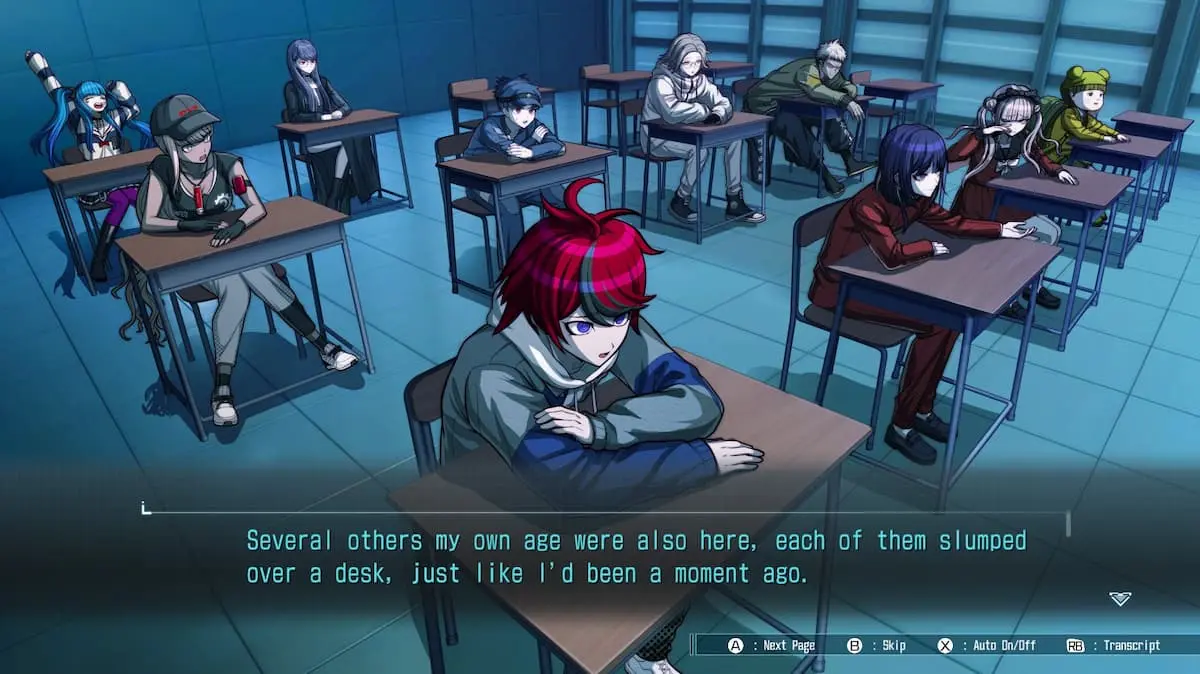
The Hundred Line uses a shared academy crisis to support a branching story. This analysis separates route choices from school-life activities and explains how tactical battles and replay tools shape the commitment.
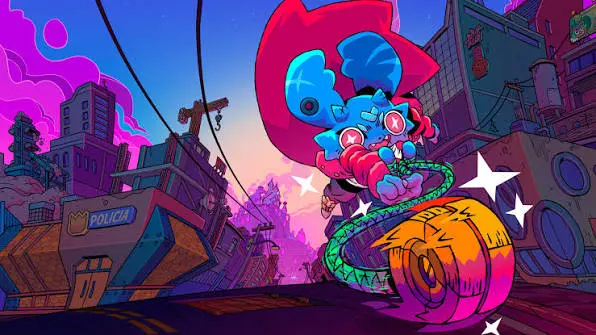
Pipistrello keeps the yoyo at the center while expanding its uses through movement tricks and builds. Its documented systems explain why one tool can support exploration and combat without relying on a constant supply of new weapons.
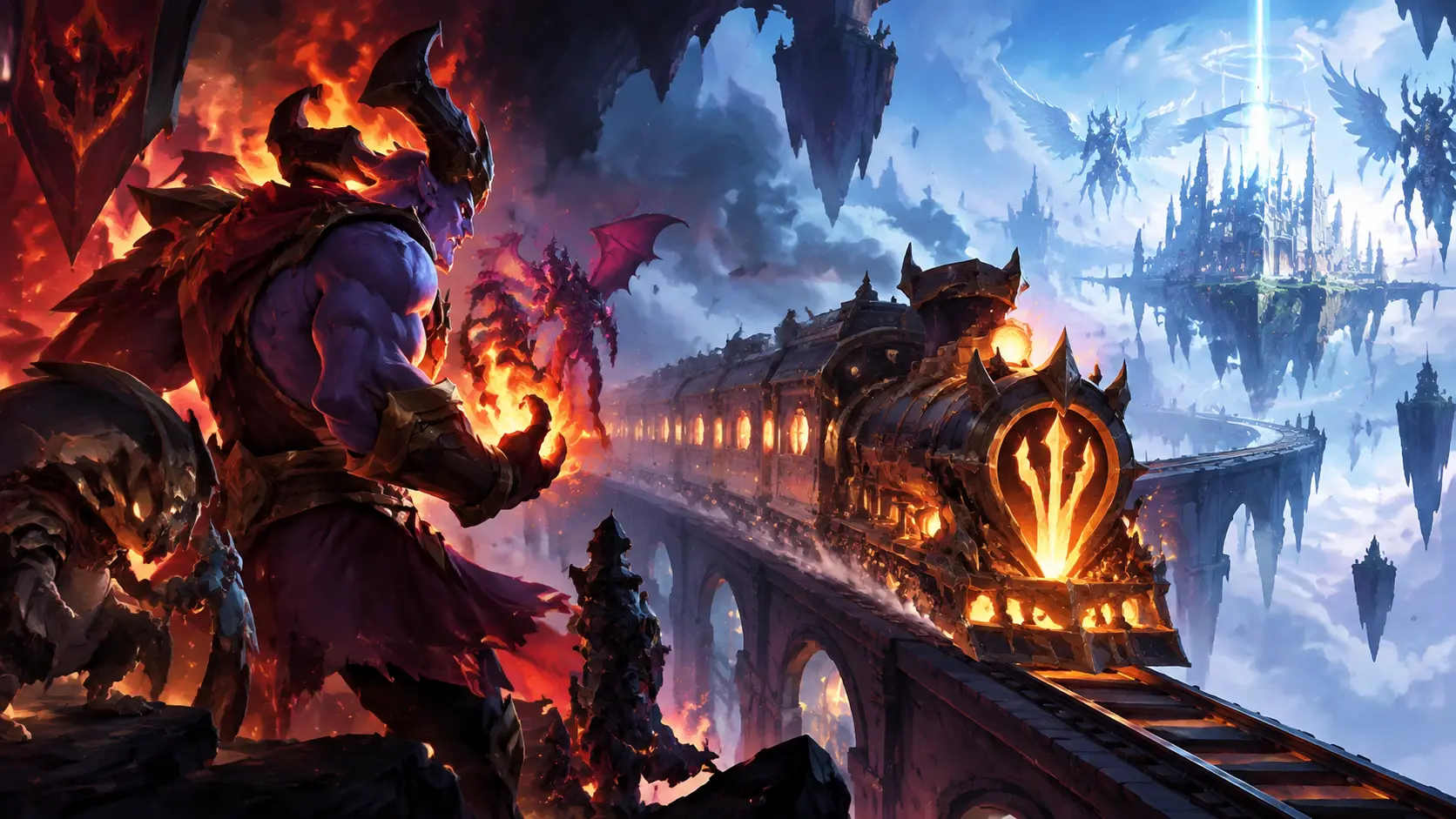
A strong Monster Train 2 deck still needs a workable formation. This guide explains when concentrating units helps, how to plan for surviving enemies, and why Room and Equipment cards tie drafting decisions to placement.
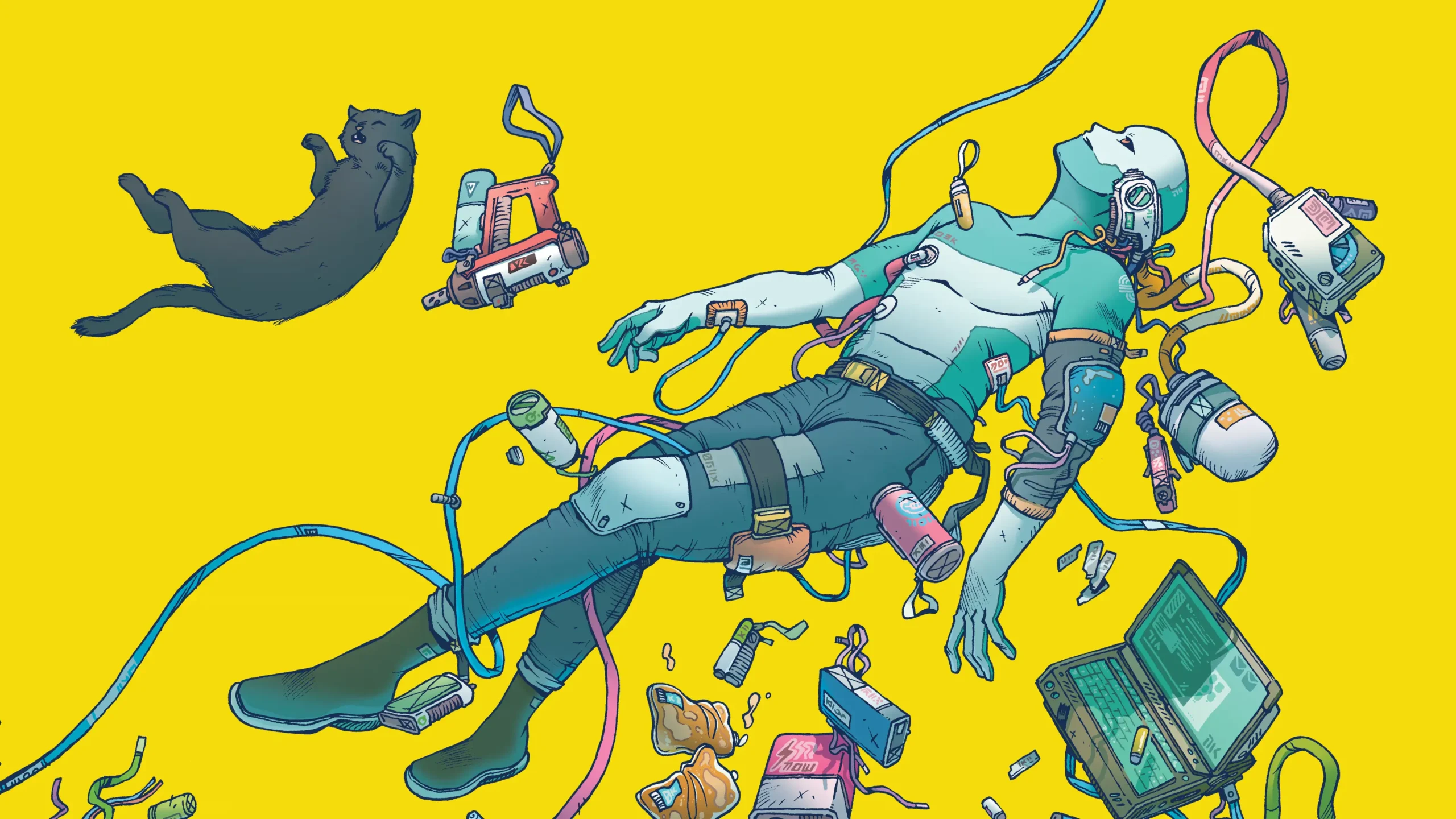
Citizen Sleeper 2 connects immediate risks with future resources. This systems analysis explains dice allocation, stress and contracts, and offers a way to plan around setbacks without pretending that every failure is a reward.
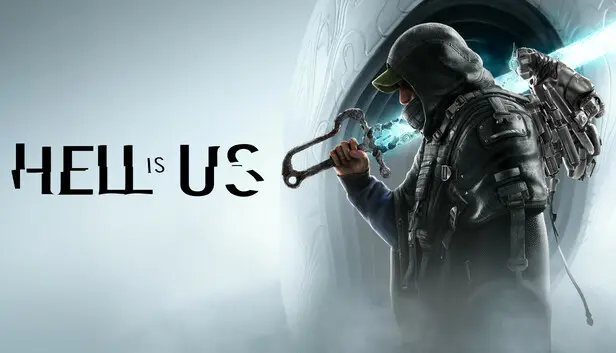
Hell is Us makes directions and landmarks part of the work of exploration. This overview explains its marker-free navigation and offers a practical way to keep track of leads, especially when returning after a break.
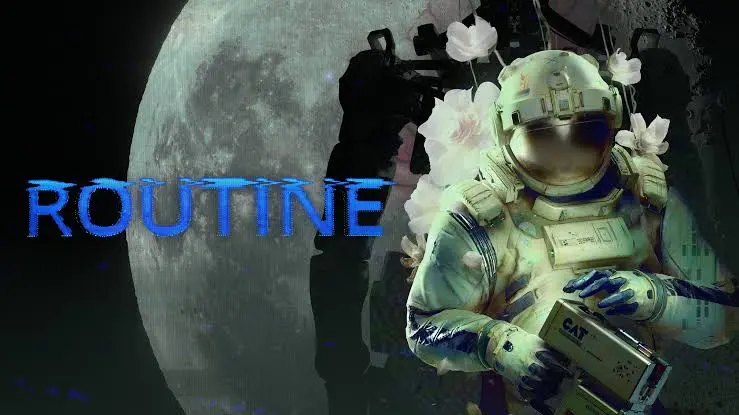
ROUTINE gives its C.A.T. tool investigative uses and a last-resort defensive role. This analysis looks at how limited options, restrained guidance and sound can make exploring its abandoned lunar base tense.