
News&Guides
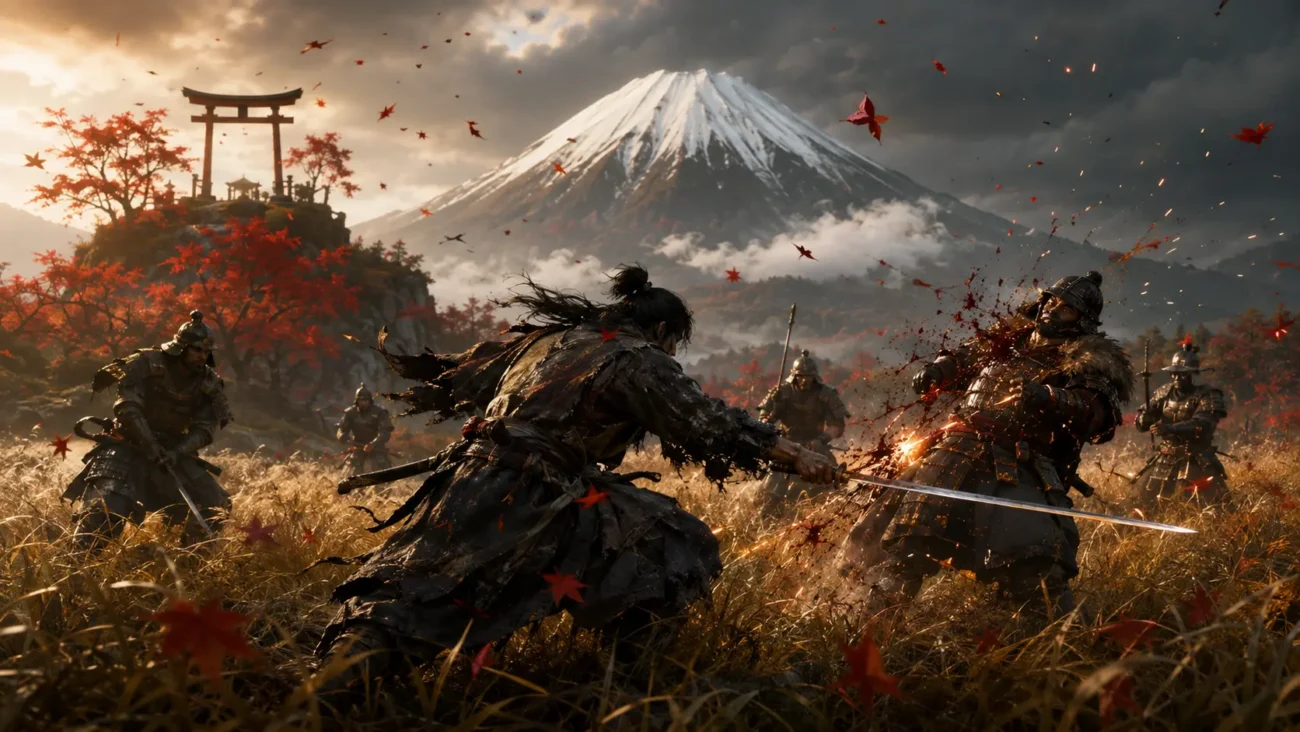
A revenge story provides a destination. An open world can provide reasons to delay reaching it. Ghost of Yōtei places both impulses around Atsu, a mercenary travelling through Ezo in pursuit of the six outlaws connected with her family’s death.
The interesting design question is how those motives can coexist. This source-based analysis examines the official description and developer presentation of exploration, optional activities, and camping.

The story gives the journey a direction
PlayStation’s overview describes a standalone story set about 300 years after Ghost of Tsushima, in 1600s northern Japan. Atsu returns to the question of revenge sixteen years after her family’s death, but the description also emphasises allies, bonds and the possibility of a future beyond vengeance.
That makes ‘revenge is the only motivation’ an incomplete reading of the premise. A familiar setup does not prove that all its later developments are predictable. The useful distinction is between the objective that starts the journey and the relationships or experiences that may change its significance.
Exploration offers a different reason to act
The official page describes travel on foot and horseback through landscapes including wildflower fields and snowy ridges. It also identifies optional activities that enhance Atsu’s abilities. Exploration can therefore serve both curiosity and practical preparation.
Those motives need not conflict. A player can follow the main objective when they want narrative momentum, then choose an optional activity when they want a different pace or another tool. Calling every detour meaningless would ignore its possible function; calling every detour pure freedom would ignore that it may still be designed around a reward.
A more useful approach is to decide what you want from the next stretch of play. Follow a destination when you want structure. Allow a visible point of interest to change the route when you want discovery. Neither requires clearing an entire region before continuing.
Camping is more than capturing an enemy base
In the official State of Play deep dive, the developers describe Atsu setting up camp to rest, play the shamisen or cook in preparation for a fight. They also explain that allies can visit campsites with upgrades and items, reducing the need to abandon exploration simply to return to a fixed service location.
This is different from saying that every camp is an enemy position you capture and relight. The supported idea is a portable pause in the journey that can also bring characters and practical assistance to Atsu.
A rest stop can maintain the sense of travel rather than interrupt it, while giving relationships a place outside major story scenes. It also lets preparation happen along the journey instead of making every pause a trip back to a fixed hub.
A world can invite attention without forbidding guidance
Wandering does not require turning off every aid or deliberately becoming lost. A landscape can be worth noticing even on a directed route. Likewise, using the map does not automatically turn the experience into a checklist.
The stronger design question is whether the world offers reasons to change pace. A scenic route, an optional activity and a camp visit are different kinds of interruption. Their value depends on what they contribute, not on whether the player discovered them without a marker.
What can fairly be concluded?
The documented systems give exploration a role alongside revenge: it supports travel, preparation and contact with other characters. They do not prove that the main story is weaker, that every road contains an unscripted encounter or that weather forces a particular diversion.
For players drawn to the landscape, a measured approach makes sense: pursue the story far enough to give the journey context, but leave room for an activity or rest stop that interests you. The question is not whether wandering defeats the plot. It is whether the journey gives Atsu’s destination more weight.
For another exploration-first approach, see our Star Wars Outlaws article.

BO7 Nuke Calling Card Lobby
Listed Platforms: PC, Xbox, and PS5.
A self-played lobby service for the calling-card option selected in your order, including Nuke Out or Nuclear Killer where available. Confirm platform support, challenge requirements, session details, and current availability before purchase.
You play on your own account. Game and platform rules still apply; self-play does not eliminate account risks or guarantee gameplay results.

BO7 Warzone Bot Lobbies
Supported Platform: PC, Xbox & PS5
Self-played lobby sessions for players working on weapon levels, camouflage unlocks, and challenges. Contact our team before ordering to confirm current availability and your requirements. Progress varies, and account risks cannot be ruled out.

Call Of Duty BO7 Apocalypse Camo Unlock
Supported Platform: All Platforms (PC, Xbox & PS5)
Unlock BO7’s ultra-rare Apocalypse Camo Unlock Camo quickly and safely! Skip the grind, gear up with one of the rarest camos in Call of Duty, and flex it in-game today!

Call Of Duty BO7 Nexus Horizon Camo Unlock
Supported Platform: All Platforms (PC, Xbox & PS5)
Unlock BO7’s ultra-rare Nexus Horizon Camo quickly and safely! Skip the grind, gear up with one of the rarest camos in Call of Duty, and flex it in-game today!

Cronos: The New Dawn PS5 Save and Trophy Service
Supported Platform: PlayStation 5 only.
A completed first-timeline save for New Game+ (Cycle 2), with a 250 HP Bio-suit, 12-slot inventory, all 7 weapons, item schematics, the Leviathan skin, supplies, and selected trophy checkpoints. Review the included content and confirm compatibility with our team before ordering.
Important: Delivery replaces your existing game progress. Game and platform rules apply; account risks cannot be ruled out.

COD BO7 Little Caesar Skin Codes
Supported Platform: All Platforms (PC, Xbox & PS5)
After payment, you will immediately receive the KEYs.
Alternatively, you can send me your account username password so that I can redeem it for you. For security, I will record the entire process until the item is received and I log out of your account.
When the key has been redeemed, you’ll receive the Black Ops 7 Little Caesar DLC Bundles and claim exclusive in-game rewards!
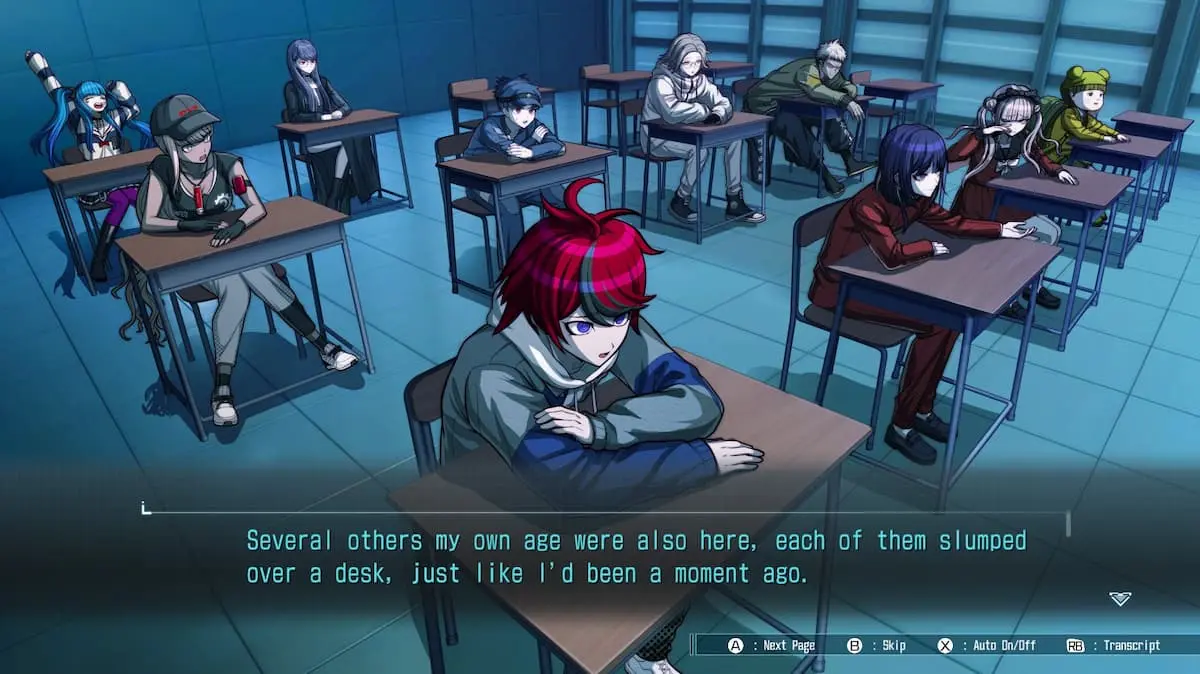
The Hundred Line uses a shared academy crisis to support a branching story. This analysis separates route choices from school-life activities and explains how tactical battles and replay tools shape the commitment.
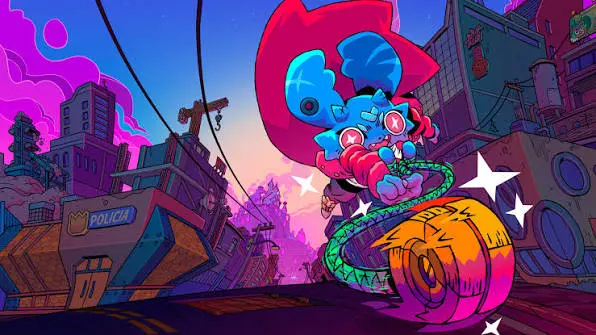
Pipistrello keeps the yoyo at the center while expanding its uses through movement tricks and builds. Its documented systems explain why one tool can support exploration and combat without relying on a constant supply of new weapons.
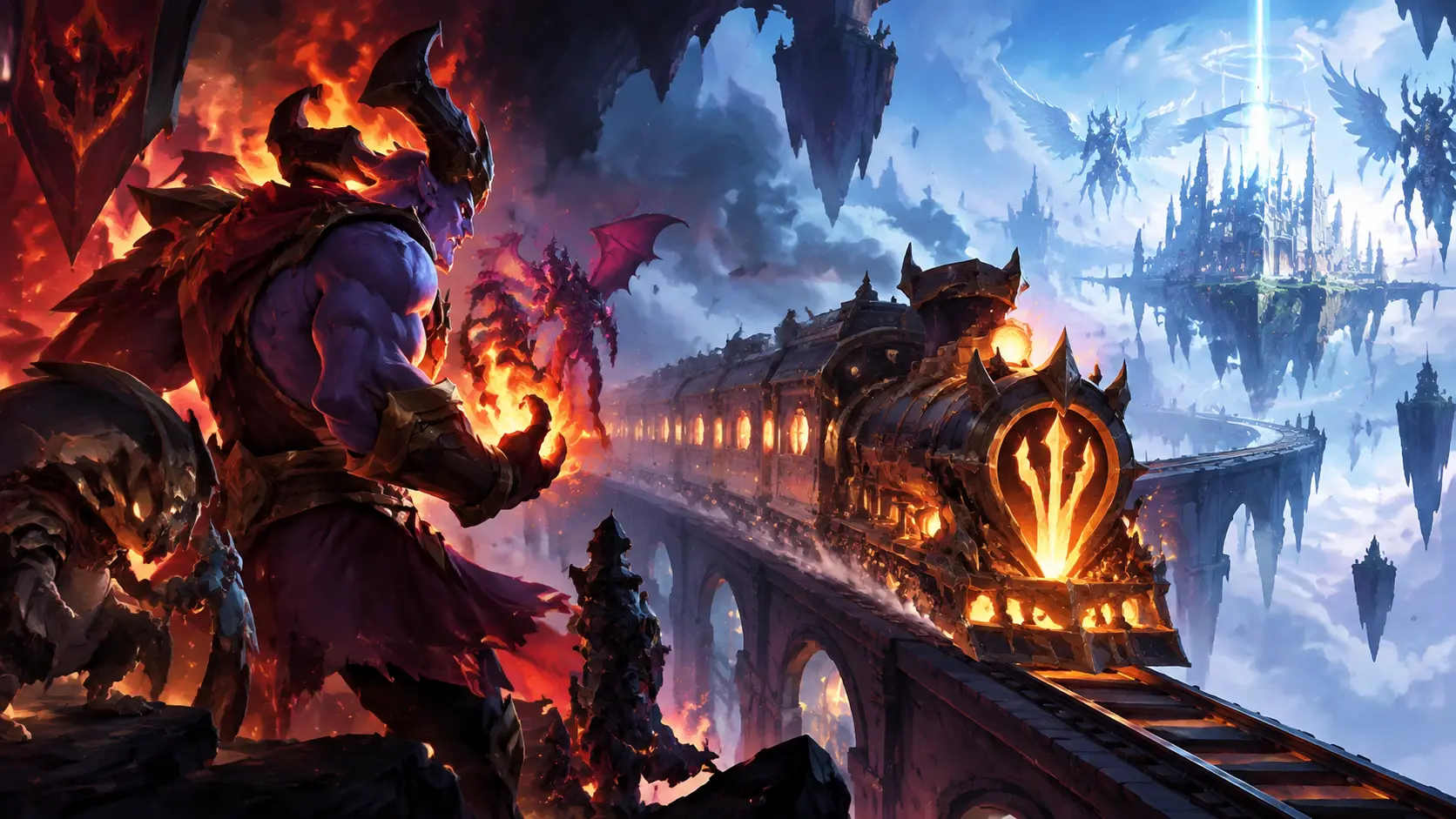
A strong Monster Train 2 deck still needs a workable formation. This guide explains when concentrating units helps, how to plan for surviving enemies, and why Room and Equipment cards tie drafting decisions to placement.
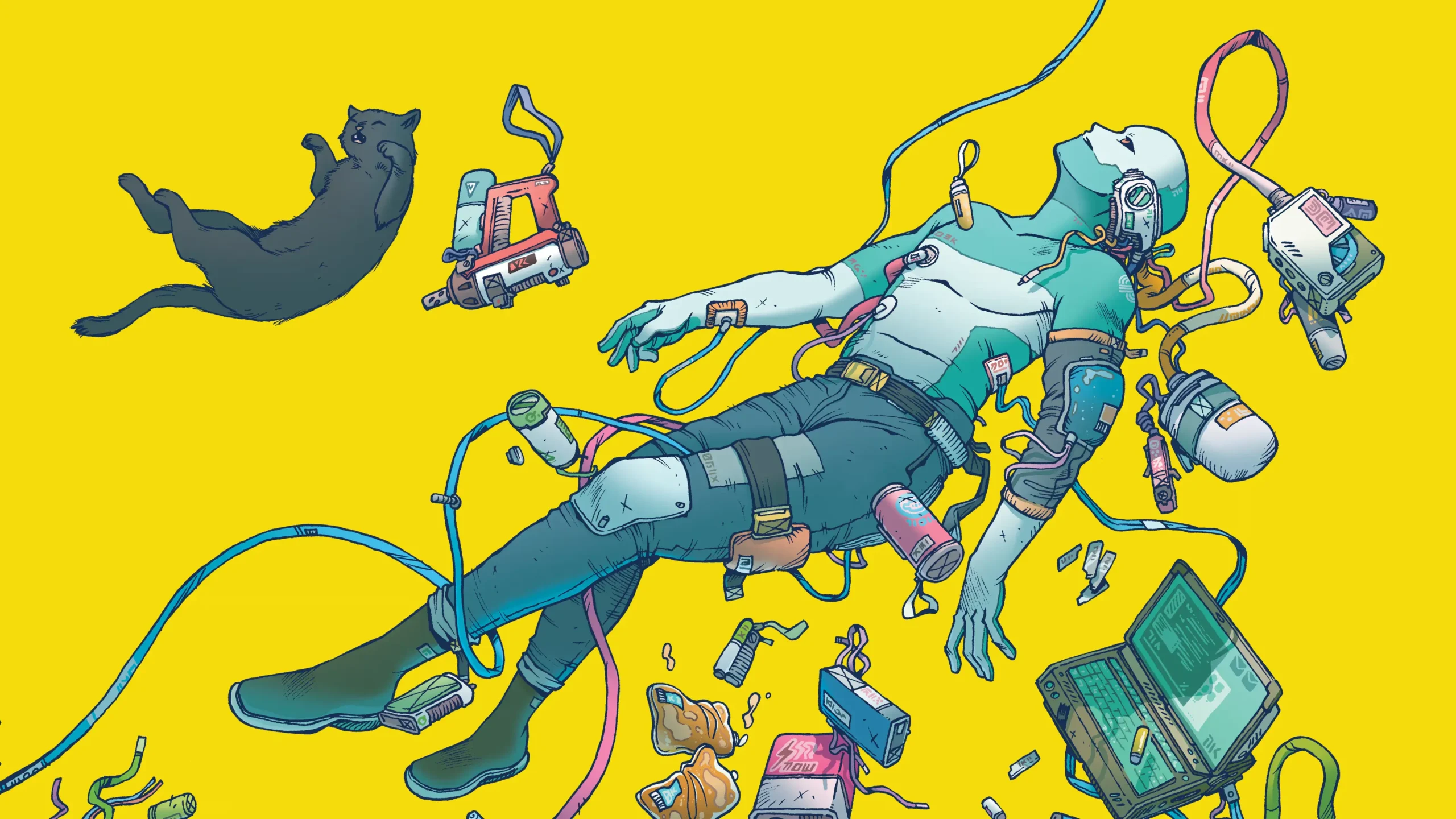
Citizen Sleeper 2 connects immediate risks with future resources. This systems analysis explains dice allocation, stress and contracts, and offers a way to plan around setbacks without pretending that every failure is a reward.
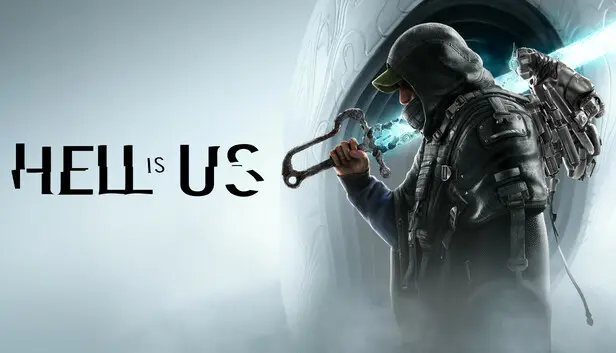
Hell is Us makes directions and landmarks part of the work of exploration. This overview explains its marker-free navigation and offers a practical way to keep track of leads, especially when returning after a break.
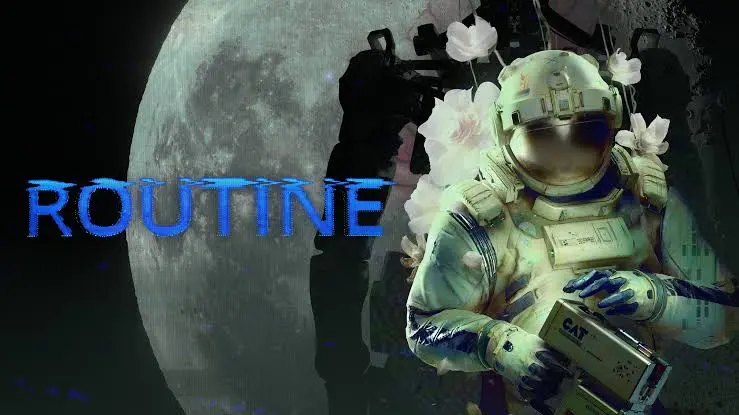
ROUTINE gives its C.A.T. tool investigative uses and a last-resort defensive role. This analysis looks at how limited options, restrained guidance and sound can make exploring its abandoned lunar base tense.