
News&Guides
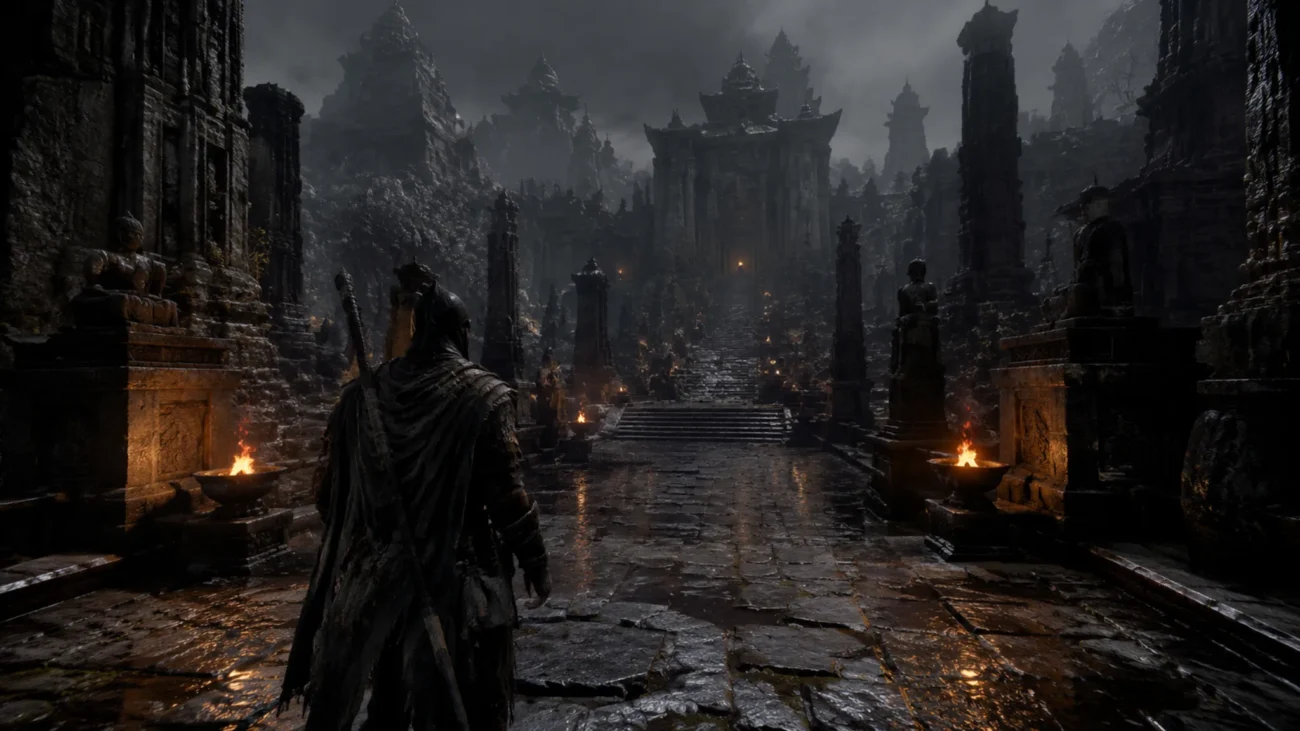
Path of Exile 2’s pacing is worth discussing, but calling it simply slower hides the important questions. Movement between fights, time spent committing to an attack, boss readability and rewards per expedition can change independently. A game can make travel faster while still asking for careful decisions inside a fight.
This is a design analysis based on documented changes, not a benchmark of every class or the latest league economy. In particular, Grinding Gear Games’ 0.3.0 patch notes provide concrete examples of why launch-era descriptions should not be treated as permanent rules.
Two changes that undermine the simple slowdown story
In 0.3.0, GGG removed the restriction that limited a character to one copy of each support gem. The same update introduced support tiers and additional supports. That changes the argument about build freedom: an analysis cannot continue to claim that every secondary skill must be weaker because the player has already used the only permitted copy of a support.
The update also added sprinting after holding the dodge-roll button. GGG described it as a way to navigate areas faster outside combat, with a trade-off: taking a hit while sprinting knocks the character down. This is a clear distinction between traversal convenience and combat risk.
These are dated examples, not a claim that 0.3.0 is the current version. For a specific build, check its guide against the patch installed on your platform. Support restrictions, movement options and endgame rules can change.
What useful tactical pacing looks like
A slower action has value when it makes a meaningful choice legible. Four questions help separate deliberate combat from unnecessary waiting:
- Can you identify the threat? An attack telegraph should give you information you can act on. Extra time does not help if effects obscure the enemy.
- Does positioning change the outcome? Moving out of a dangerous lane, separating enemies or choosing a safer attack angle should offer something beyond delaying damage.
- Does a setup skill justify its cost? A multi-step combination is interesting when the steps create different opportunities, not merely because it requires more buttons.
- Does recovery preserve momentum? The time spent returning to an encounter can matter as much as the encounter itself.
Timing, animation commitment, movement and resource use elsewhere in a build are distinct subjects. A delay caused by an attack animation calls for a different adjustment from a delay caused by low damage or an unsafe route.
Slower kills do not automatically mean a broken economy
A basic reward model is successful encounters per hour multiplied by expected reward per encounter, with travel and failed attempts included in the time cost. If encounter frequency falls while rewards rise proportionally, gross expected rewards can remain similar. That does not guarantee a healthy economy, but it disproves the idea that lower kill counts alone make one impossible.
Trade prices also depend on demand, item scarcity, player participation and currency spending. Without observed data for a named league, claims that an item now requires four times the farming or that market liquidity must collapse are speculation.
Campaign and endgame need separate judgments
A demanding new boss and a repeatedly farmed route serve different purposes. Novelty can make learning a move set rewarding; repetition can make small delays more noticeable. Neither proves that all players belong to one of two fixed camps.
When evaluating your own experience, compare similar situations: the same stage of progression, similar defenses, similar skill investment and a clearly identified patch. If a fight is slow, ask whether its length comes from encounter design, an underdeveloped build, an unfavorable modifier or downtime. That diagnosis is more useful than treating every frustrating moment as proof of a single design philosophy.
The strongest pacing criticism is specific: it identifies a decision that lacks value, a cue that cannot be read, or a cost that outweighs the reward. Path of Exile 2 can be assessed on those terms without assuming that faster is always better—or that slower is automatically deeper.

BO7 Nuke Calling Card Lobby
Listed Platforms: PC, Xbox, and PS5.
A self-played lobby service for the calling-card option selected in your order, including Nuke Out or Nuclear Killer where available. Confirm platform support, challenge requirements, session details, and current availability before purchase.
You play on your own account. Game and platform rules still apply; self-play does not eliminate account risks or guarantee gameplay results.

BO7 Warzone Bot Lobbies
Supported Platform: PC, Xbox & PS5
Self-played lobby sessions for players working on weapon levels, camouflage unlocks, and challenges. Contact our team before ordering to confirm current availability and your requirements. Progress varies, and account risks cannot be ruled out.

Call Of Duty BO7 Apocalypse Camo Unlock
Supported Platform: All Platforms (PC, Xbox & PS5)
Unlock BO7’s ultra-rare Apocalypse Camo Unlock Camo quickly and safely! Skip the grind, gear up with one of the rarest camos in Call of Duty, and flex it in-game today!

Call Of Duty BO7 Nexus Horizon Camo Unlock
Supported Platform: All Platforms (PC, Xbox & PS5)
Unlock BO7’s ultra-rare Nexus Horizon Camo quickly and safely! Skip the grind, gear up with one of the rarest camos in Call of Duty, and flex it in-game today!

Cronos: The New Dawn PS5 Save and Trophy Service
Supported Platform: PlayStation 5 only.
A completed first-timeline save for New Game+ (Cycle 2), with a 250 HP Bio-suit, 12-slot inventory, all 7 weapons, item schematics, the Leviathan skin, supplies, and selected trophy checkpoints. Review the included content and confirm compatibility with our team before ordering.
Important: Delivery replaces your existing game progress. Game and platform rules apply; account risks cannot be ruled out.

COD BO7 Little Caesar Skin Codes
Supported Platform: All Platforms (PC, Xbox & PS5)
After payment, you will immediately receive the KEYs.
Alternatively, you can send me your account username password so that I can redeem it for you. For security, I will record the entire process until the item is received and I log out of your account.
When the key has been redeemed, you’ll receive the Black Ops 7 Little Caesar DLC Bundles and claim exclusive in-game rewards!
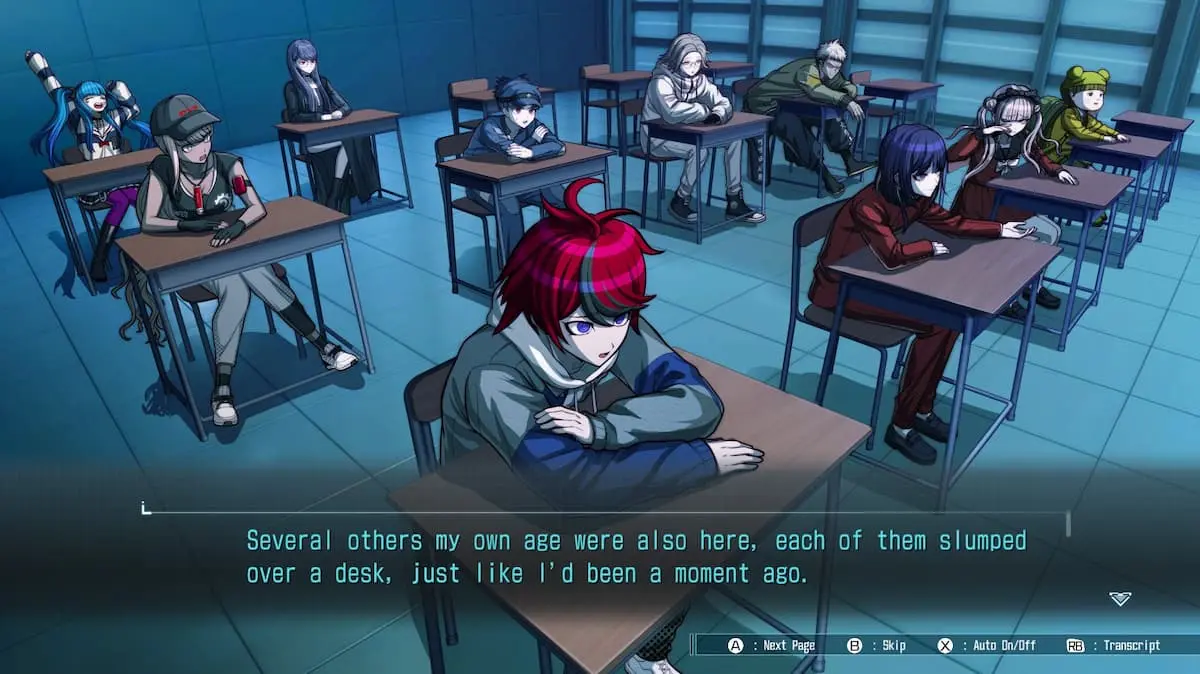
The Hundred Line uses a shared academy crisis to support a branching story. This analysis separates route choices from school-life activities and explains how tactical battles and replay tools shape the commitment.
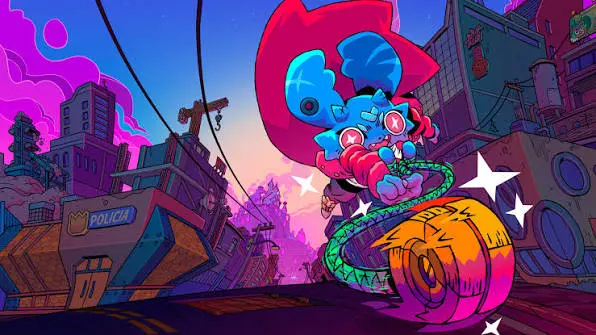
Pipistrello keeps the yoyo at the center while expanding its uses through movement tricks and builds. Its documented systems explain why one tool can support exploration and combat without relying on a constant supply of new weapons.
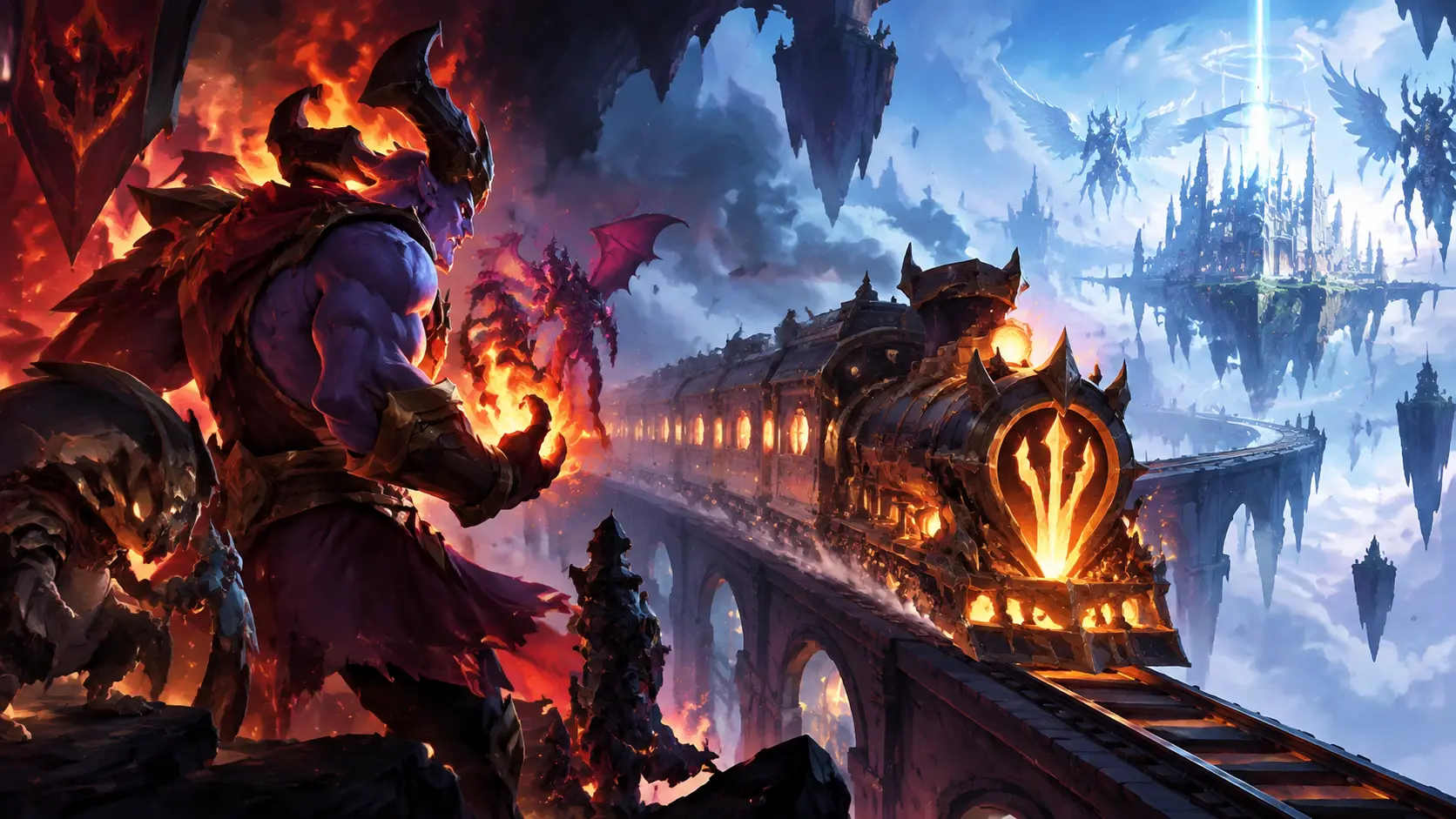
A strong Monster Train 2 deck still needs a workable formation. This guide explains when concentrating units helps, how to plan for surviving enemies, and why Room and Equipment cards tie drafting decisions to placement.
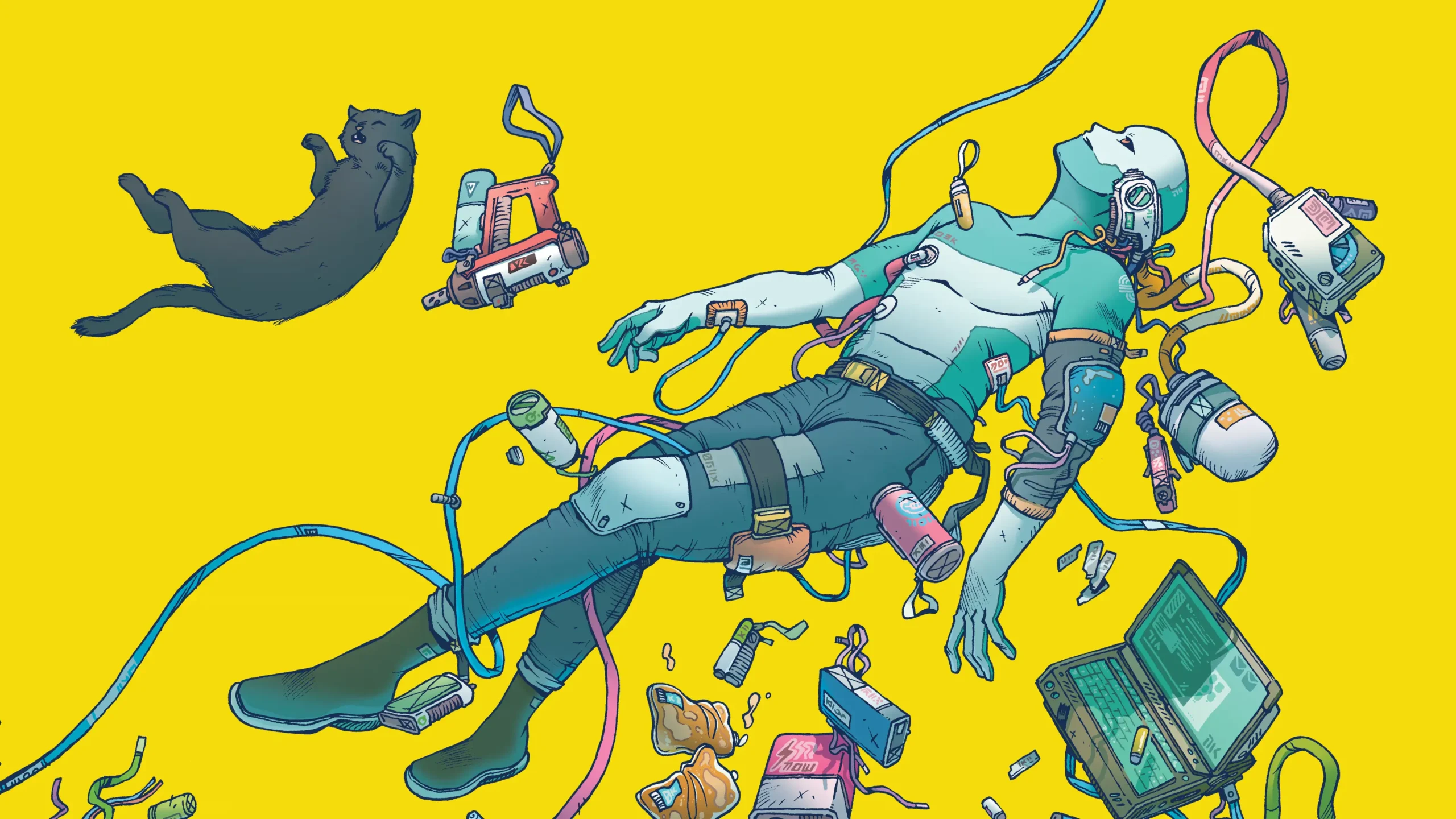
Citizen Sleeper 2 connects immediate risks with future resources. This systems analysis explains dice allocation, stress and contracts, and offers a way to plan around setbacks without pretending that every failure is a reward.
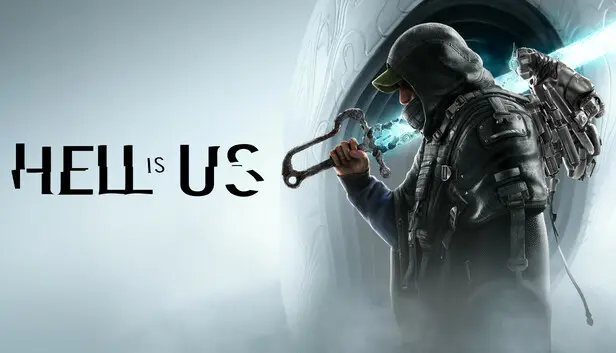
Hell is Us makes directions and landmarks part of the work of exploration. This overview explains its marker-free navigation and offers a practical way to keep track of leads, especially when returning after a break.
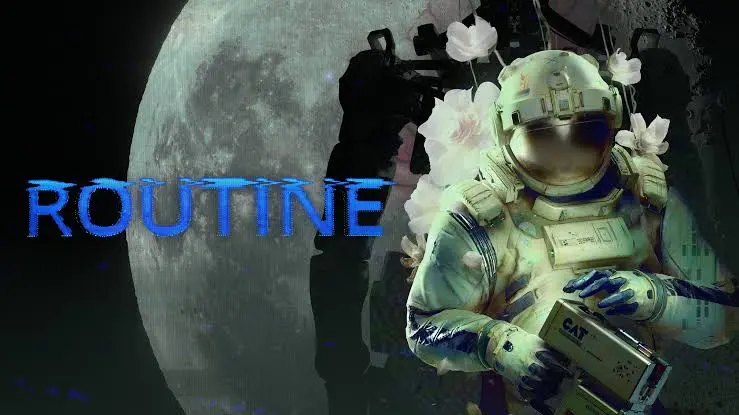
ROUTINE gives its C.A.T. tool investigative uses and a last-resort defensive role. This analysis looks at how limited options, restrained guidance and sound can make exploring its abandoned lunar base tense.