
News&Guides
Pokémon Legends: Z-A — How Positioning and Move Timing Change Battles
Pokémon Legends: Z-A adds a spatial question to a familiar strategic one. It is not enough to ask which move is effective; you must also consider whether your Pokémon is positioned to use it and when that move will be ready. Trainers and their Pokémon move in real time, while Pokémon still act on their Trainer’s commands.
This guide analyzes the documented battle system and Nintendo’s published battle tips.
Real time adds to team-building
The official gameplay page introduces real-time movement and commanded attacks. Nintendo’s battle tips then explain the practical consequences: moves have different recharge speeds, ranges and areas of effect, and positioning can help a Pokémon avoid incoming attacks.
Types and team selection have not become irrelevant. Nintendo explicitly recommends a varied team and making use of defensive and status moves. The change is that a useful matchup now has to be managed while the encounter is moving.
One helpful way to think about a move is as three linked properties: what it does, where it can connect and how soon it can be used again. The strongest-looking attack is not automatically the best answer at every moment.
Range is a rule, not just an animation
Nintendo gives a concrete comparison: Waterfall has a narrow, far-reaching area, while Bite is short-ranged but wide. That makes movement part of choosing an attack. Closing distance can help a short-range move; leaving an incoming area can avoid damage.
On the documented Switch controls, holding ZL focuses on the opposing Pokémon before an attack. Practise targeting and distance before assuming a missed opportunity means your team needs more training.
Before choosing a move, check whether the target is inside its effective area and whether the move is ready. If either condition is wrong, reposition or use another available option rather than judging the turn solely by type advantage.
Recharge changes the rhythm of a decision
Nintendo notes that a move which recharges quickly can sometimes be more useful than a super-effective option that takes much longer. That is not a universal damage formula; it is a reason to consider the entire exchange instead of judging moves only by one successful hit.
Defensive options also have a role. The official tips describe using moves such as Dig to avoid an incoming attack and switching Pokémon at the right moment to escape damage. Keep one of those responses in mind before committing to an attack, especially when the opponent is already preparing its next move.
Wild zones and battle zones are not synonyms
Wild zones are areas created as part of Lumiose City’s redevelopment where Pokémon can live and be caught. At night, a hologram-bordered battle zone appears for Trainer encounters in the Z-A Royale. The official page describes earning Ticket Points there to obtain a Challenger’s Ticket for a promotion match.
This distinction helps organise a session: daytime catching and training can prepare the team, while the nighttime competition tests it. The term ‘battle zone’ should not be used as a generic label for every place real-time combat occurs.
A practical adjustment for returning players
- Keep type coverage, but learn the reach of each selected move.
- Watch recharge as well as the opponent’s health.
- Use movement to help your Pokémon connect or evade.
- Keep a defensive or switching response in mind before committing.
The design offers a second way to express Pokémon strategy: preparation still matters, but the player must apply it in changing space. Whether that feels more engaging or less relaxing is a preference. There is no need to declare traditional turn-based battles obsolete, or to predict that all future Pokémon games will adopt this approach.

BO7 Nuke Calling Card Lobby
Listed Platforms: PC, Xbox, and PS5.
A self-played lobby service for the calling-card option selected in your order, including Nuke Out or Nuclear Killer where available. Confirm platform support, challenge requirements, session details, and current availability before purchase.
You play on your own account. Game and platform rules still apply; self-play does not eliminate account risks or guarantee gameplay results.

BO7 Warzone Bot Lobbies
Supported Platform: PC, Xbox & PS5
Self-played lobby sessions for players working on weapon levels, camouflage unlocks, and challenges. Contact our team before ordering to confirm current availability and your requirements. Progress varies, and account risks cannot be ruled out.

Call Of Duty BO7 Apocalypse Camo Unlock
Supported Platform: All Platforms (PC, Xbox & PS5)
Unlock BO7’s ultra-rare Apocalypse Camo Unlock Camo quickly and safely! Skip the grind, gear up with one of the rarest camos in Call of Duty, and flex it in-game today!

Call Of Duty BO7 Nexus Horizon Camo Unlock
Supported Platform: All Platforms (PC, Xbox & PS5)
Unlock BO7’s ultra-rare Nexus Horizon Camo quickly and safely! Skip the grind, gear up with one of the rarest camos in Call of Duty, and flex it in-game today!

Cronos: The New Dawn PS5 Save and Trophy Service
Supported Platform: PlayStation 5 only.
A completed first-timeline save for New Game+ (Cycle 2), with a 250 HP Bio-suit, 12-slot inventory, all 7 weapons, item schematics, the Leviathan skin, supplies, and selected trophy checkpoints. Review the included content and confirm compatibility with our team before ordering.
Important: Delivery replaces your existing game progress. Game and platform rules apply; account risks cannot be ruled out.

COD BO7 Little Caesar Skin Codes
Supported Platform: All Platforms (PC, Xbox & PS5)
After payment, you will immediately receive the KEYs.
Alternatively, you can send me your account username password so that I can redeem it for you. For security, I will record the entire process until the item is received and I log out of your account.
When the key has been redeemed, you’ll receive the Black Ops 7 Little Caesar DLC Bundles and claim exclusive in-game rewards!
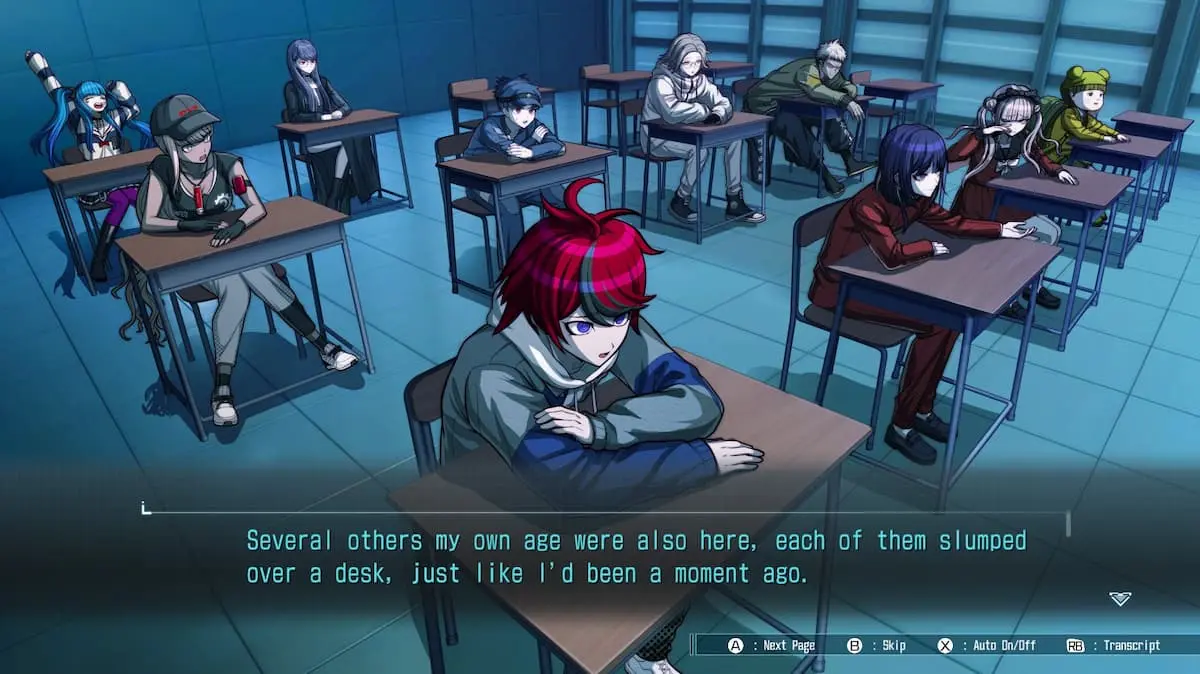
The Hundred Line uses a shared academy crisis to support a branching story. This analysis separates route choices from school-life activities and explains how tactical battles and replay tools shape the commitment.
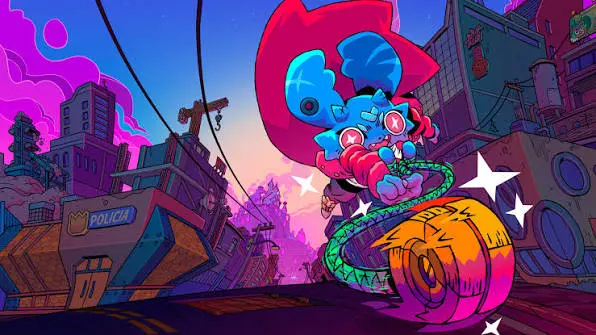
Pipistrello keeps the yoyo at the center while expanding its uses through movement tricks and builds. Its documented systems explain why one tool can support exploration and combat without relying on a constant supply of new weapons.
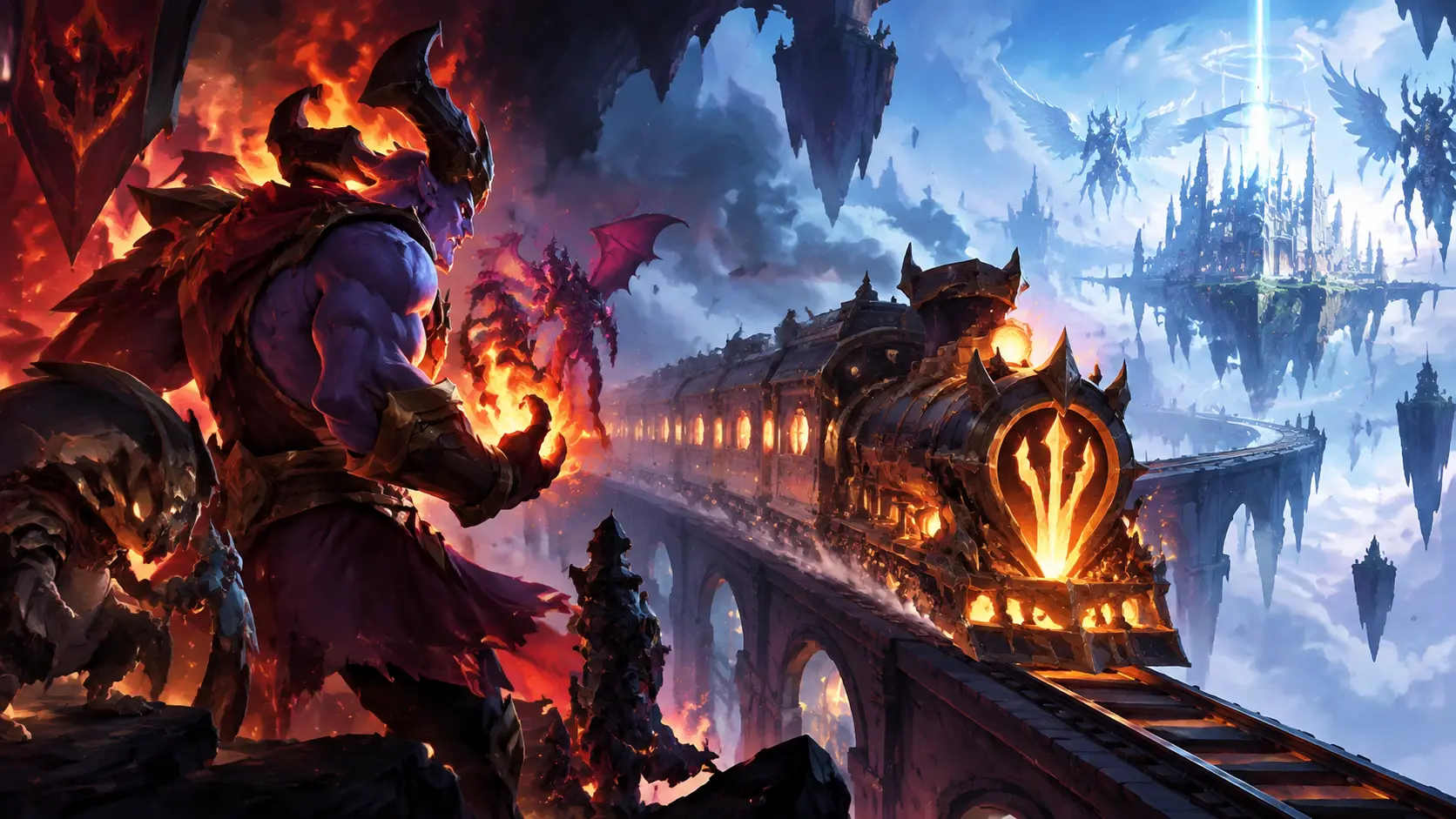
A strong Monster Train 2 deck still needs a workable formation. This guide explains when concentrating units helps, how to plan for surviving enemies, and why Room and Equipment cards tie drafting decisions to placement.
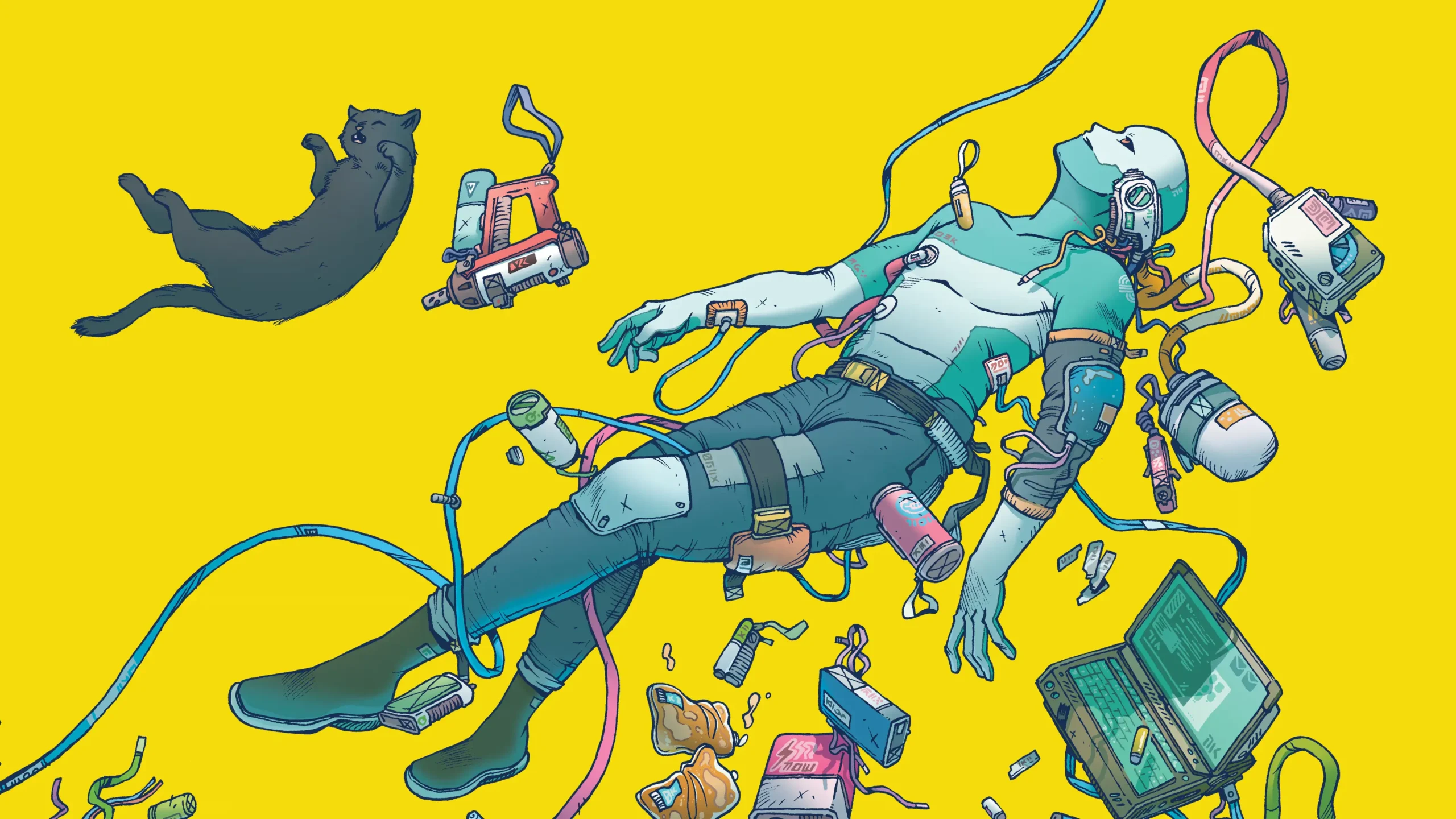
Citizen Sleeper 2 connects immediate risks with future resources. This systems analysis explains dice allocation, stress and contracts, and offers a way to plan around setbacks without pretending that every failure is a reward.
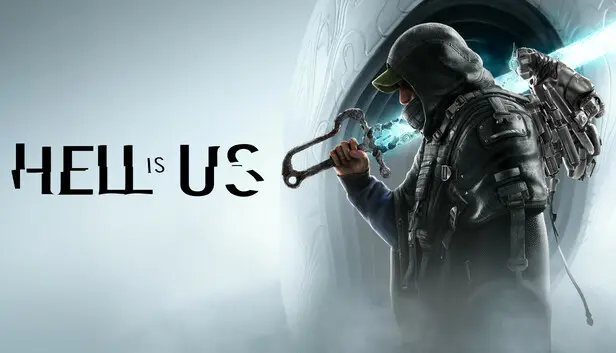
Hell is Us makes directions and landmarks part of the work of exploration. This overview explains its marker-free navigation and offers a practical way to keep track of leads, especially when returning after a break.
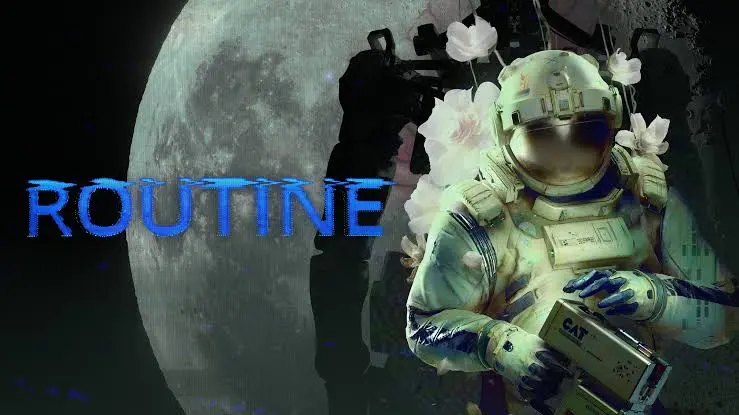
ROUTINE gives its C.A.T. tool investigative uses and a last-resort defensive role. This analysis looks at how limited options, restrained guidance and sound can make exploring its abandoned lunar base tense.