
News&Guides
Correction: Unsupported playtime, review-score and awards-ranking claims in the earlier article have been withdrawn. This is a source-based argument about PRAGMATA’s design.
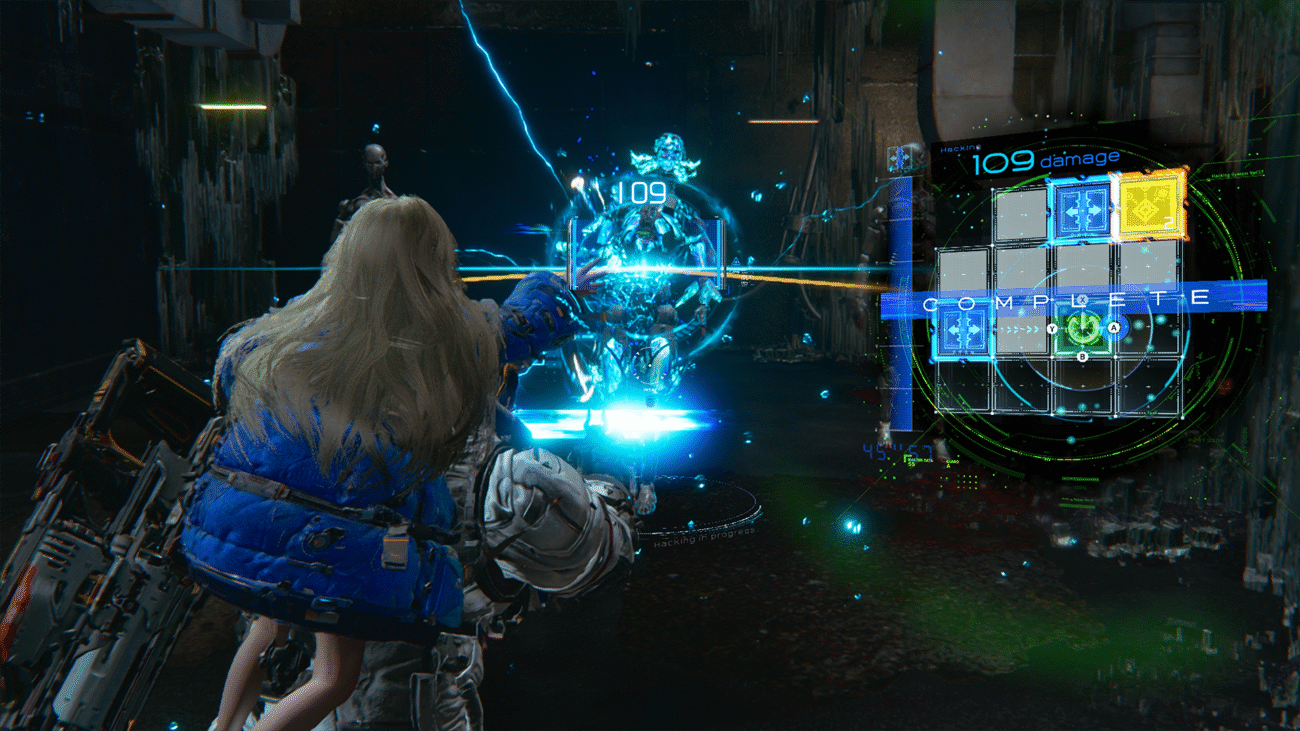
PRAGMATA offers a clear subject for a Game of the Year conversation: can one unusual combat idea distinguish a new action-adventure from a crowded field? Capcom pairs Hugh’s firearms with Diana’s hacking in a lunar research facility. The interest lies in how those activities change one another.
The design case is concrete
In Capcom’s explanation, hacking requires a continuous route to a green goal node to disable a bot’s defenses. Blue nodes improve the hack, while yellow nodes provide special effects. Exposed weak points then become more valuable targets for Hugh’s weapons.
That creates a particular decision: how much routing effort is worth spending to create a better shooting opportunity? A direct route can produce a quick opening. A detour through useful nodes can strengthen it, but demands more attention. Weapons and node combinations offer ways to change that decision as the game develops.
This is a meaningful form of originality because it changes an ordinary encounter. The player is weighing the quality of the opening as well as the accuracy of the eventual shot. An award argument built around that interaction is more persuasive than one based only on a novel setting or a new intellectual property.
An original idea still has to sustain a game
A memorable system is one part of a strong award argument. Other useful questions include whether encounters keep developing it, whether the controls communicate its demands clearly, and whether exploration and quieter scenes give it an effective rhythm.
Hugh and Diana’s partnership is central to both combat and progression. That gives the relationship a foundation in what the player does. Evaluating the writing still requires examining how the characters develop beyond that premise: mechanical cooperation and emotional attachment are related, but one does not guarantee the other.
Three tests help organize that larger assessment. Does a later encounter ask for a new decision rather than just a longer hack? Does returning to the Shelter lead to useful preparation? Do the quieter sections make the pair’s journey matter beyond surviving the next fight? These are critical questions, not official award criteria.
An editorial list is not a nomination
Different outlets and organizations can choose different Games of the Year. A placement on one publication’s list expresses that publication’s judgment, not guaranteed selection by another award body. Sales figures and review averages likewise do not establish nomination probabilities.
As of October 11, 2026, The Game Awards website said its 2026 nominees would be announced in mid-November. A case for discussing PRAGMATA is therefore separate from a confirmed nomination.
Use the awards question to clarify what you value
If inventive combat matters most to you, examine how hacking changes ordinary encounters. If you care primarily about narrative, seek a review that discusses character development and pacing. For technical performance, use reporting tied to your platform.
Capcom’s free Sketchbook demo offers a practical way to assess the central interaction. Try a direct hack and a route through useful nodes, then consider whether that choice makes shooting more interesting to you. A demo can answer that personal-fit question even though it cannot settle the quality of the full campaign.
PRAGMATA’s strongest contribution to an awards conversation is a combat loop with a clear identity. Whether it belongs among the year’s best depends on how successfully the full game develops that idea alongside its other demands.

BO7 Nuke Calling Card Lobby
Listed Platforms: PC, Xbox, and PS5.
A self-played lobby service for the calling-card option selected in your order, including Nuke Out or Nuclear Killer where available. Confirm platform support, challenge requirements, session details, and current availability before purchase.
You play on your own account. Game and platform rules still apply; self-play does not eliminate account risks or guarantee gameplay results.

BO7 Warzone Bot Lobbies
Supported Platform: PC, Xbox & PS5
Self-played lobby sessions for players working on weapon levels, camouflage unlocks, and challenges. Contact our team before ordering to confirm current availability and your requirements. Progress varies, and account risks cannot be ruled out.

Call Of Duty BO7 Apocalypse Camo Unlock
Supported Platform: All Platforms (PC, Xbox & PS5)
Unlock BO7’s ultra-rare Apocalypse Camo Unlock Camo quickly and safely! Skip the grind, gear up with one of the rarest camos in Call of Duty, and flex it in-game today!

Call Of Duty BO7 Nexus Horizon Camo Unlock
Supported Platform: All Platforms (PC, Xbox & PS5)
Unlock BO7’s ultra-rare Nexus Horizon Camo quickly and safely! Skip the grind, gear up with one of the rarest camos in Call of Duty, and flex it in-game today!

Cronos: The New Dawn PS5 Save and Trophy Service
Supported Platform: PlayStation 5 only.
A completed first-timeline save for New Game+ (Cycle 2), with a 250 HP Bio-suit, 12-slot inventory, all 7 weapons, item schematics, the Leviathan skin, supplies, and selected trophy checkpoints. Review the included content and confirm compatibility with our team before ordering.
Important: Delivery replaces your existing game progress. Game and platform rules apply; account risks cannot be ruled out.

COD BO7 Little Caesar Skin Codes
Supported Platform: All Platforms (PC, Xbox & PS5)
After payment, you will immediately receive the KEYs.
Alternatively, you can send me your account username password so that I can redeem it for you. For security, I will record the entire process until the item is received and I log out of your account.
When the key has been redeemed, you’ll receive the Black Ops 7 Little Caesar DLC Bundles and claim exclusive in-game rewards!
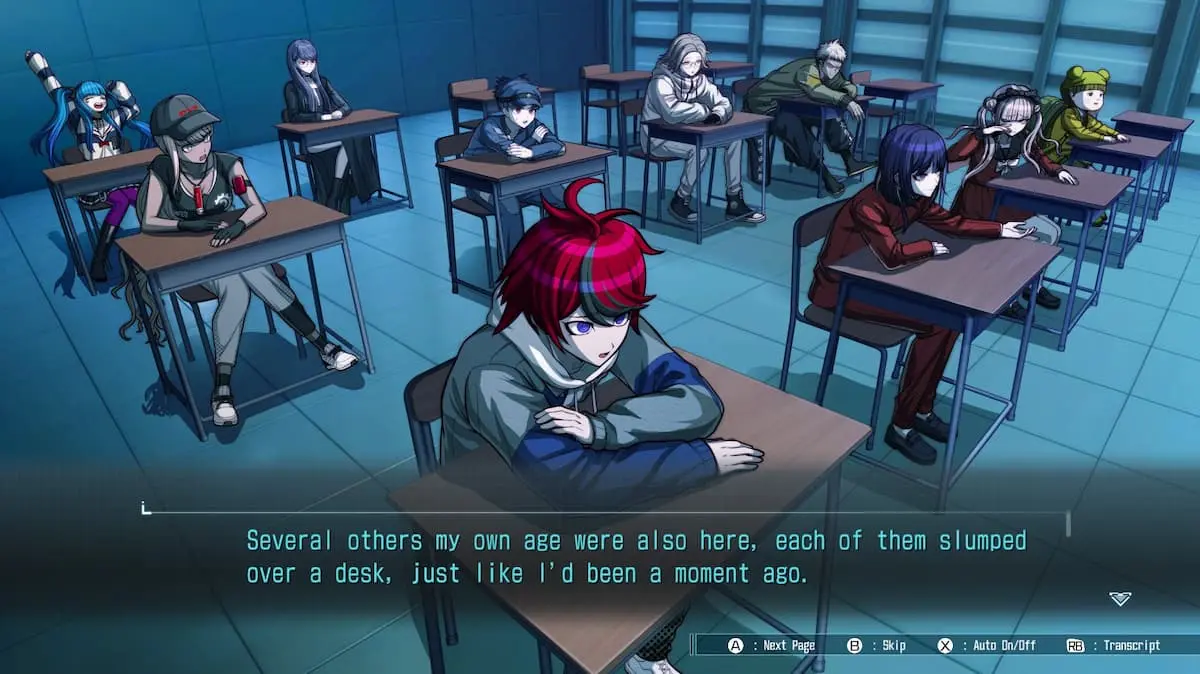
The Hundred Line uses a shared academy crisis to support a branching story. This analysis separates route choices from school-life activities and explains how tactical battles and replay tools shape the commitment.
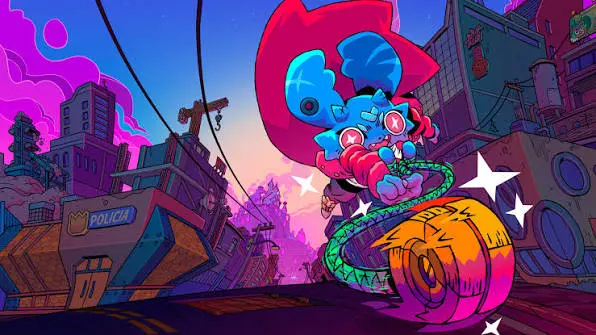
Pipistrello keeps the yoyo at the center while expanding its uses through movement tricks and builds. Its documented systems explain why one tool can support exploration and combat without relying on a constant supply of new weapons.
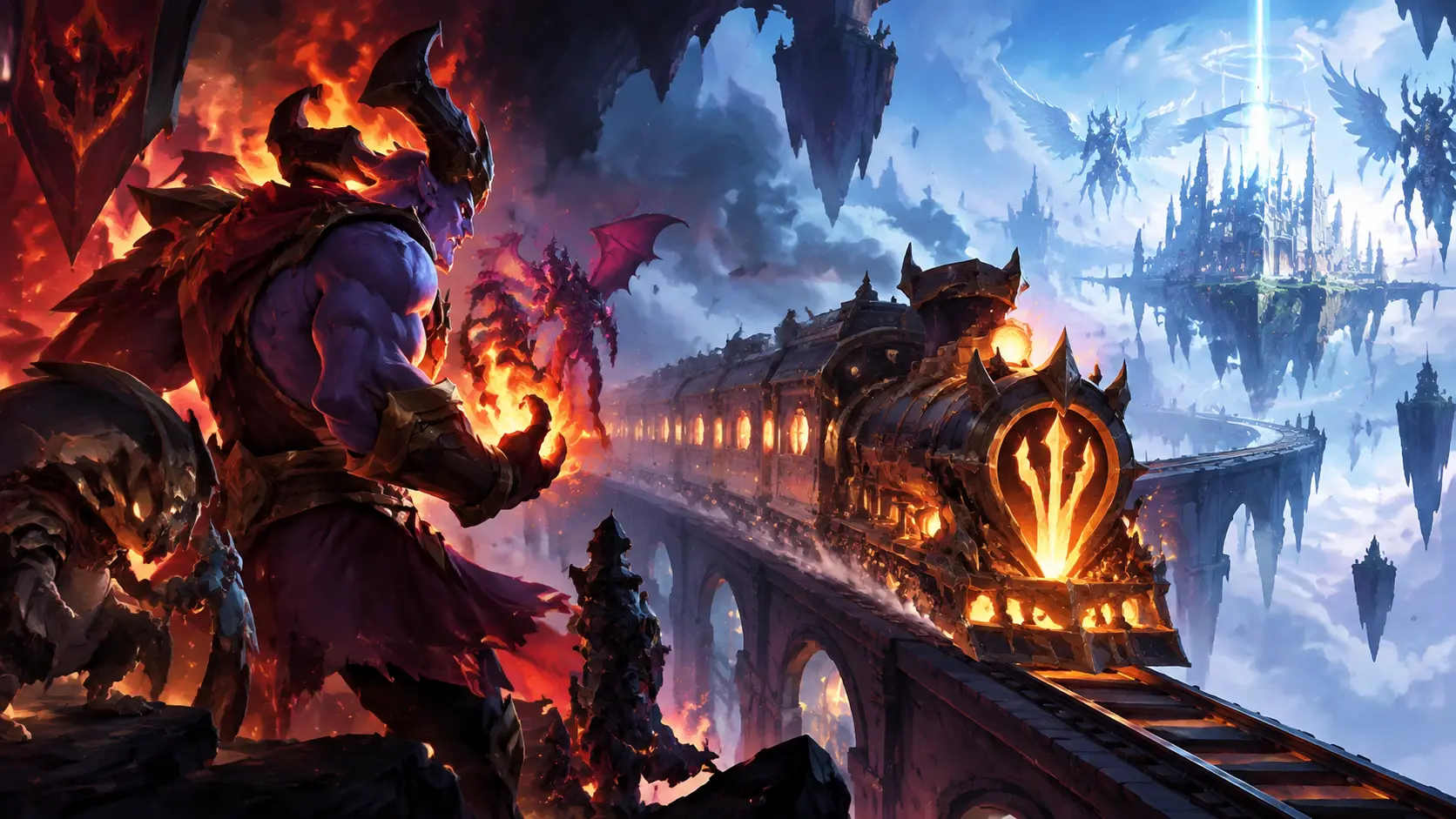
A strong Monster Train 2 deck still needs a workable formation. This guide explains when concentrating units helps, how to plan for surviving enemies, and why Room and Equipment cards tie drafting decisions to placement.
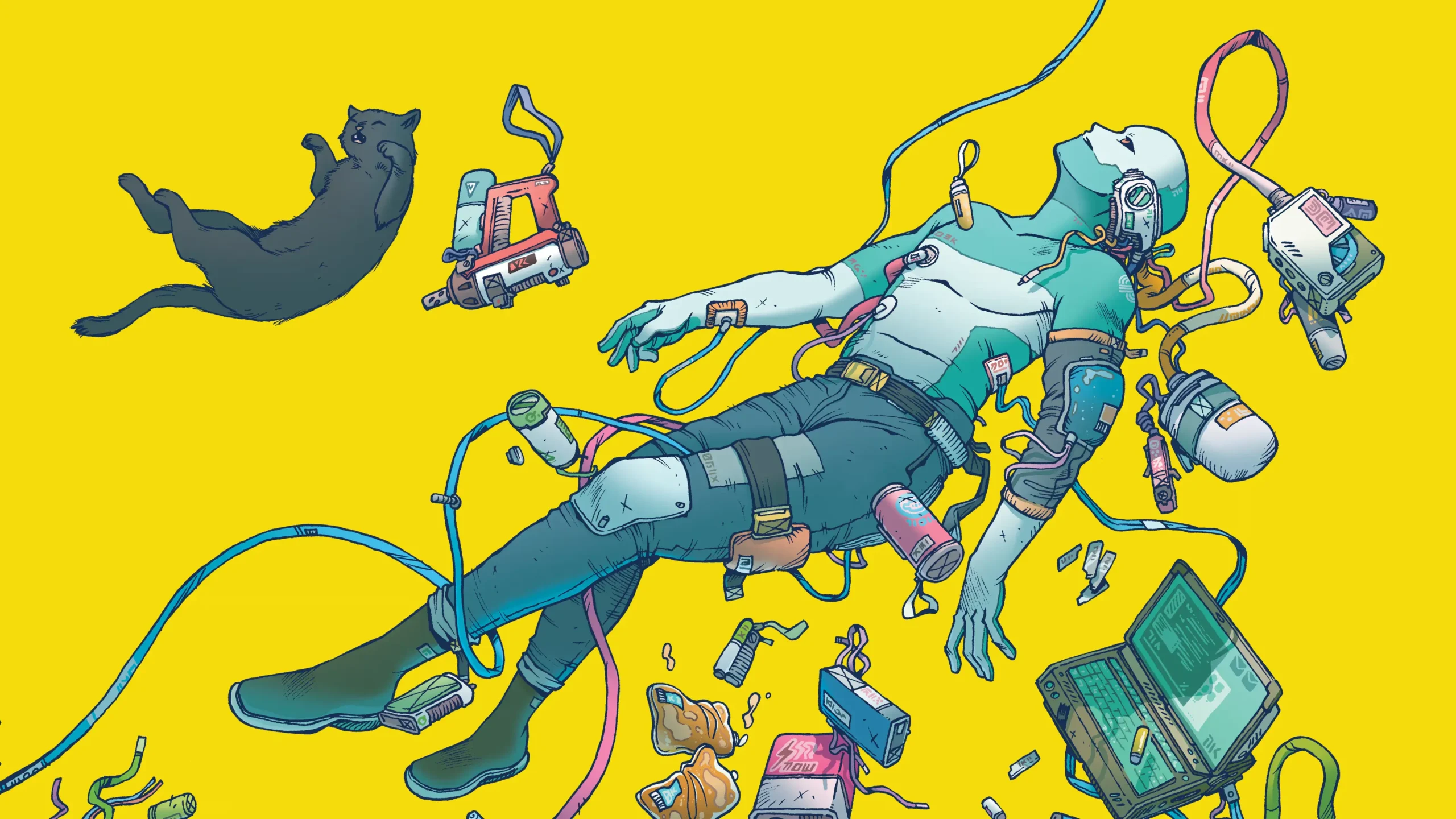
Citizen Sleeper 2 connects immediate risks with future resources. This systems analysis explains dice allocation, stress and contracts, and offers a way to plan around setbacks without pretending that every failure is a reward.
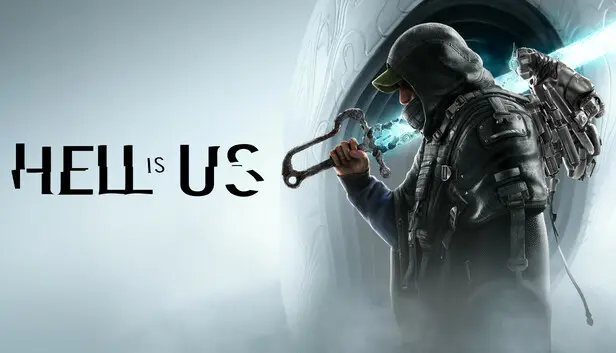
Hell is Us makes directions and landmarks part of the work of exploration. This overview explains its marker-free navigation and offers a practical way to keep track of leads, especially when returning after a break.
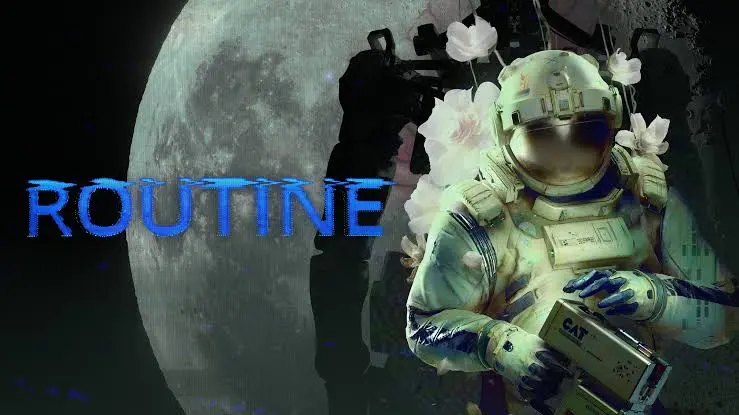
ROUTINE gives its C.A.T. tool investigative uses and a last-resort defensive role. This analysis looks at how limited options, restrained guidance and sound can make exploring its abandoned lunar base tense.