
News&Guides

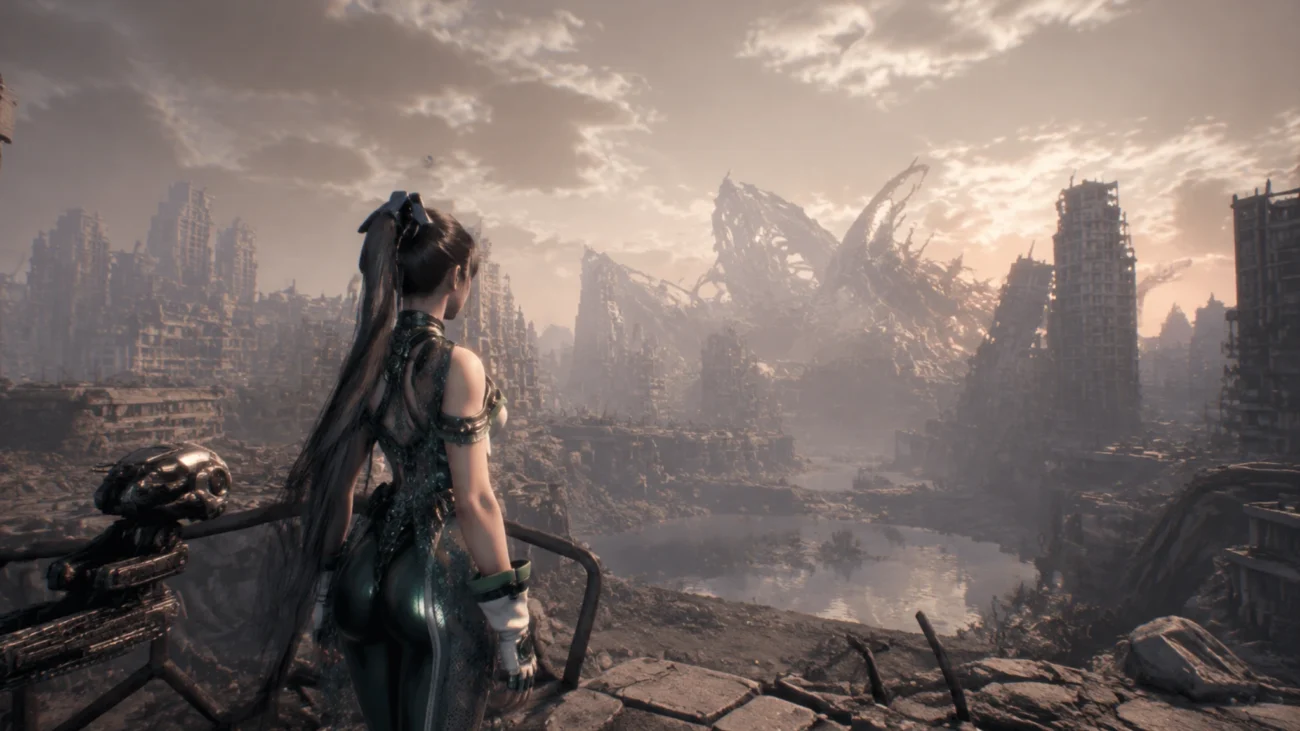
Stellar Blade has a more useful combat question than whether its character design attracts attention: how do Eve’s defensive choices feed her offense? The answer starts with distinguishing actions that look similar in a highlight reel but serve different purposes.
This is an explanation and design reading of the official PlayStation combat guide. It does not present frame measurements or a new hands-on review.
Guard, parry and dodge are different decisions
Holding guard reduces the impact of incoming frontal attacks. Timing the block just before impact produces a Perfect Parry, described in the guide as a perfect block, which negates the incoming damage and can affect an enemy’s balance. Repeated successful deflections can create a staggered state and an opportunity for Retribution.
Dodging instead changes your position. The guide notes a practical trade-off: moving away can protect Eve while putting her outside immediate striking range. A Perfect Dodge uses last-moment timing to evade a blow while staying close enough to continue attacking.
That does not make dodging universally superior to parrying. One choice preserves proximity and avoids an attack; the other can contribute to breaking balance. Which is useful depends on the attack, the surrounding enemies and the opportunity you want next.
Blink is not an automatic Perfect Dodge reward
Blink is a separate, special response to appropriate Fatal Attacks. On the PlayStation controls described by the guide, it uses a directional input toward the enemy and the dodge button at the right moment, teleporting Eve behind the attacker. Do not assume every successful ordinary dodge triggers that repositioning.
For a new player, this distinction changes practice. Learn the enemy’s cue, identify the relevant defensive response and then learn its timing. Repeating one input against every dangerous-looking animation can conceal the actual reason an attempt failed.
The attack system has more than one speed
Eve’s sword, Blood Edge, supports light attacks, heavy attacks and mixed sequences. The official guide lists eight starting primary combos, grouped as Incursion and Onslaught. Some contain backward movement; others help close distance. Rush is another way to cover space aggressively and has a cooldown.
Beta Skills add limited-resource attacks to those repeatable moves. They consume Beta Energy and have different uses, including crowd control and powerful thrusts. The important choice is not simply whether a special move does more damage: it is whether this is the moment to spend the resource rather than use a shorter basic sequence and remain ready to defend.
Practice the cues, then the timing
A comparison with Sekiro or Lies of P may communicate the appeal of timing-based defense, but it cannot establish exact parry windows without controlled testing. Frame rate, upgrades, input handling and the particular action being measured all need to be specified.
A practical alternative is to use the game’s practice options and examine one sequence at a time. Can you tell when the strike releases? Can you recover after a missed timing? Does the successful response give a clear signal? These observations are more actionable than an unexplained claim that one game’s window is a few frames larger.
What to evaluate beyond the boss spectacle
The combat framework gives Stellar Blade substance beyond presentation: distinct defensive responses, balance pressure, varied basic sequences and resource attacks create decisions to learn. That alone does not settle whether every encounter or exploration area is satisfying.
When judging the game, separate combat depth from how often the campaign asks you to use it. Consider whether ordinary encounters encourage different responses, whether exploration rewards fit your goals, and whether returning to a boss feels like practice or delay. Those are fair criteria for criticism. Claims about a developer’s competence or every player’s reaction need more evidence than the mechanics provide.

BO7 Nuke Calling Card Lobby
Listed Platforms: PC, Xbox, and PS5.
A self-played lobby service for the calling-card option selected in your order, including Nuke Out or Nuclear Killer where available. Confirm platform support, challenge requirements, session details, and current availability before purchase.
You play on your own account. Game and platform rules still apply; self-play does not eliminate account risks or guarantee gameplay results.

BO7 Warzone Bot Lobbies
Supported Platform: PC, Xbox & PS5
Self-played lobby sessions for players working on weapon levels, camouflage unlocks, and challenges. Contact our team before ordering to confirm current availability and your requirements. Progress varies, and account risks cannot be ruled out.

Call Of Duty BO7 Apocalypse Camo Unlock
Supported Platform: All Platforms (PC, Xbox & PS5)
Unlock BO7’s ultra-rare Apocalypse Camo Unlock Camo quickly and safely! Skip the grind, gear up with one of the rarest camos in Call of Duty, and flex it in-game today!

Call Of Duty BO7 Nexus Horizon Camo Unlock
Supported Platform: All Platforms (PC, Xbox & PS5)
Unlock BO7’s ultra-rare Nexus Horizon Camo quickly and safely! Skip the grind, gear up with one of the rarest camos in Call of Duty, and flex it in-game today!

Cronos: The New Dawn PS5 Save and Trophy Service
Supported Platform: PlayStation 5 only.
A completed first-timeline save for New Game+ (Cycle 2), with a 250 HP Bio-suit, 12-slot inventory, all 7 weapons, item schematics, the Leviathan skin, supplies, and selected trophy checkpoints. Review the included content and confirm compatibility with our team before ordering.
Important: Delivery replaces your existing game progress. Game and platform rules apply; account risks cannot be ruled out.

COD BO7 Little Caesar Skin Codes
Supported Platform: All Platforms (PC, Xbox & PS5)
After payment, you will immediately receive the KEYs.
Alternatively, you can send me your account username password so that I can redeem it for you. For security, I will record the entire process until the item is received and I log out of your account.
When the key has been redeemed, you’ll receive the Black Ops 7 Little Caesar DLC Bundles and claim exclusive in-game rewards!
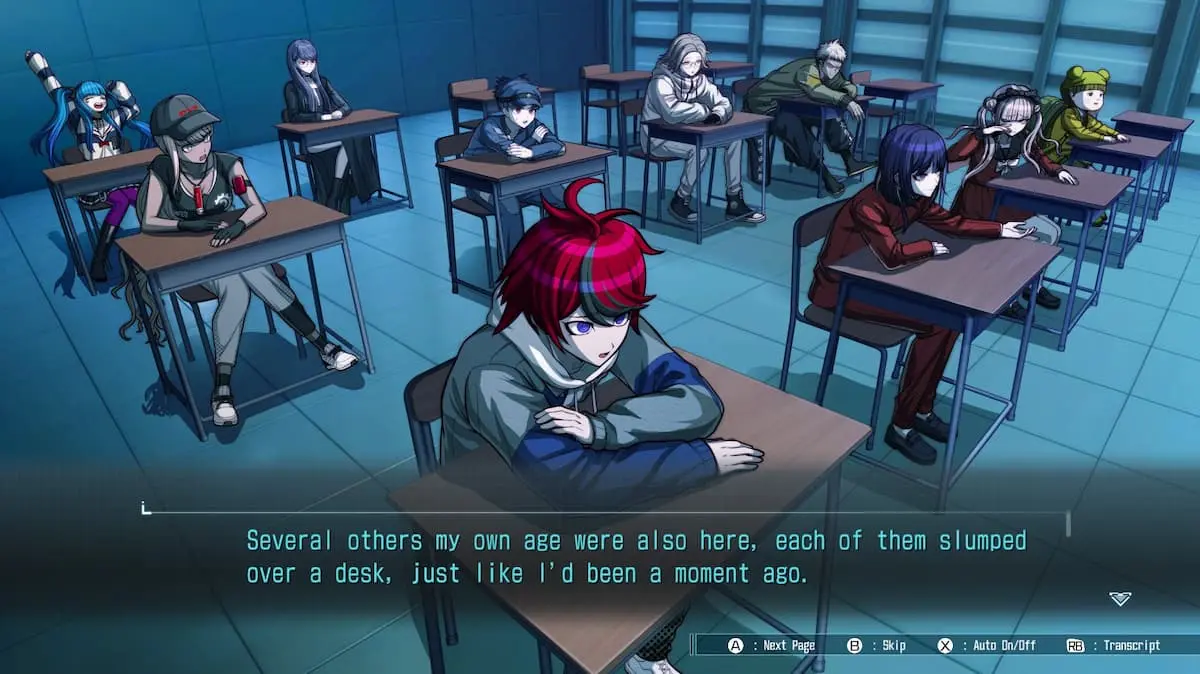
The Hundred Line uses a shared academy crisis to support a branching story. This analysis separates route choices from school-life activities and explains how tactical battles and replay tools shape the commitment.

Pipistrello keeps the yoyo at the center while expanding its uses through movement tricks and builds. Its documented systems explain why one tool can support exploration and combat without relying on a constant supply of new weapons.
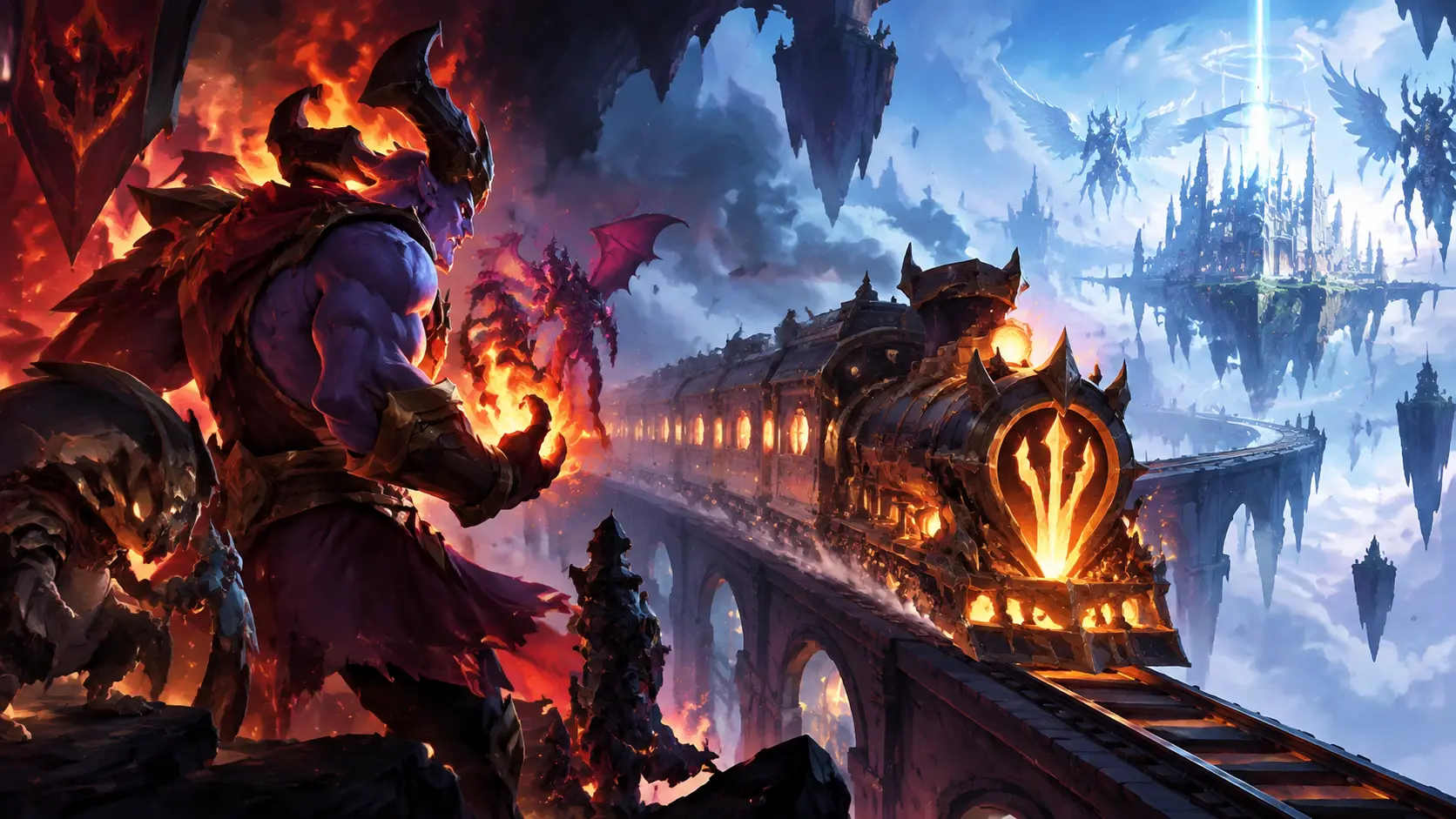
A strong Monster Train 2 deck still needs a workable formation. This guide explains when concentrating units helps, how to plan for surviving enemies, and why Room and Equipment cards tie drafting decisions to placement.
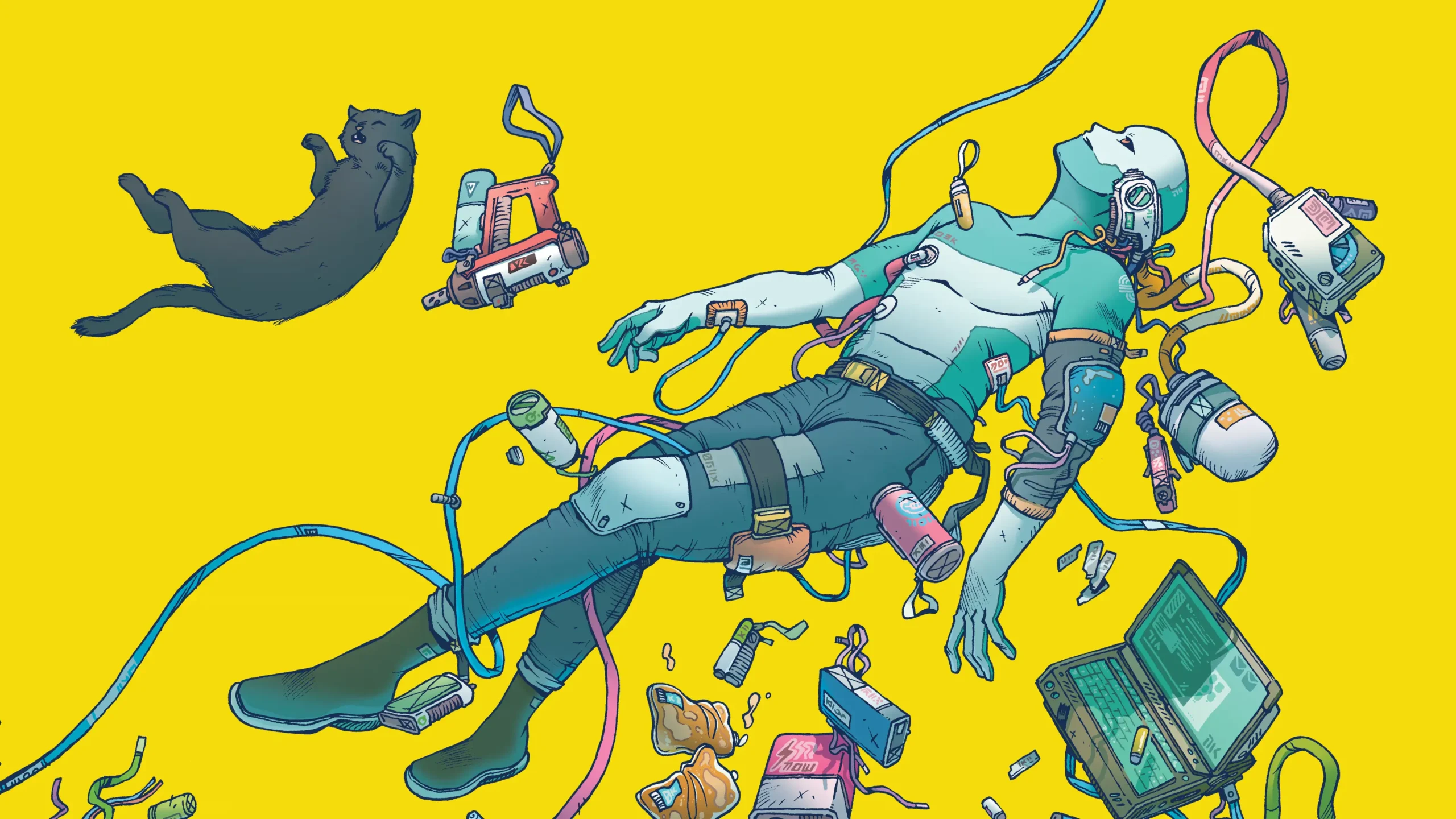
Citizen Sleeper 2 connects immediate risks with future resources. This systems analysis explains dice allocation, stress and contracts, and offers a way to plan around setbacks without pretending that every failure is a reward.
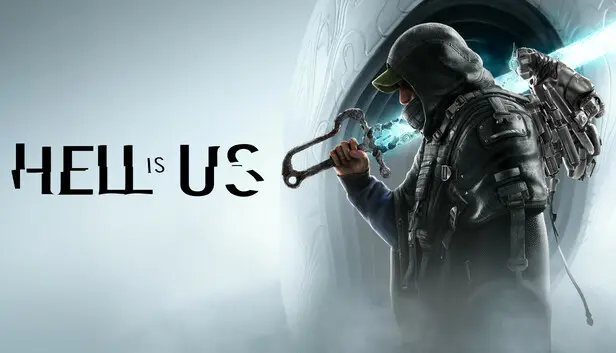
Hell is Us makes directions and landmarks part of the work of exploration. This overview explains its marker-free navigation and offers a practical way to keep track of leads, especially when returning after a break.
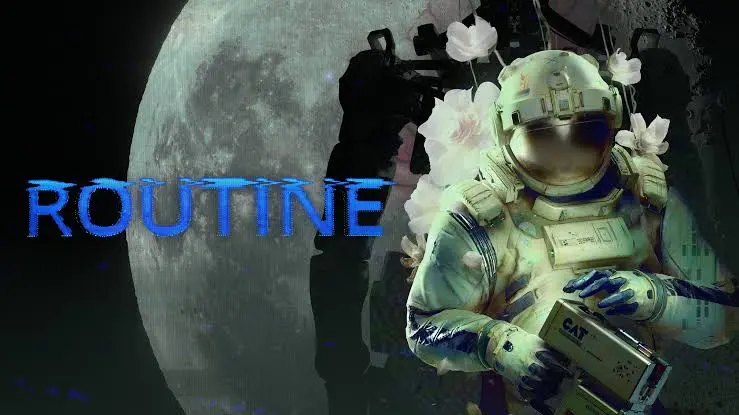
ROUTINE gives its C.A.T. tool investigative uses and a last-resort defensive role. This analysis looks at how limited options, restrained guidance and sound can make exploring its abandoned lunar base tense.